

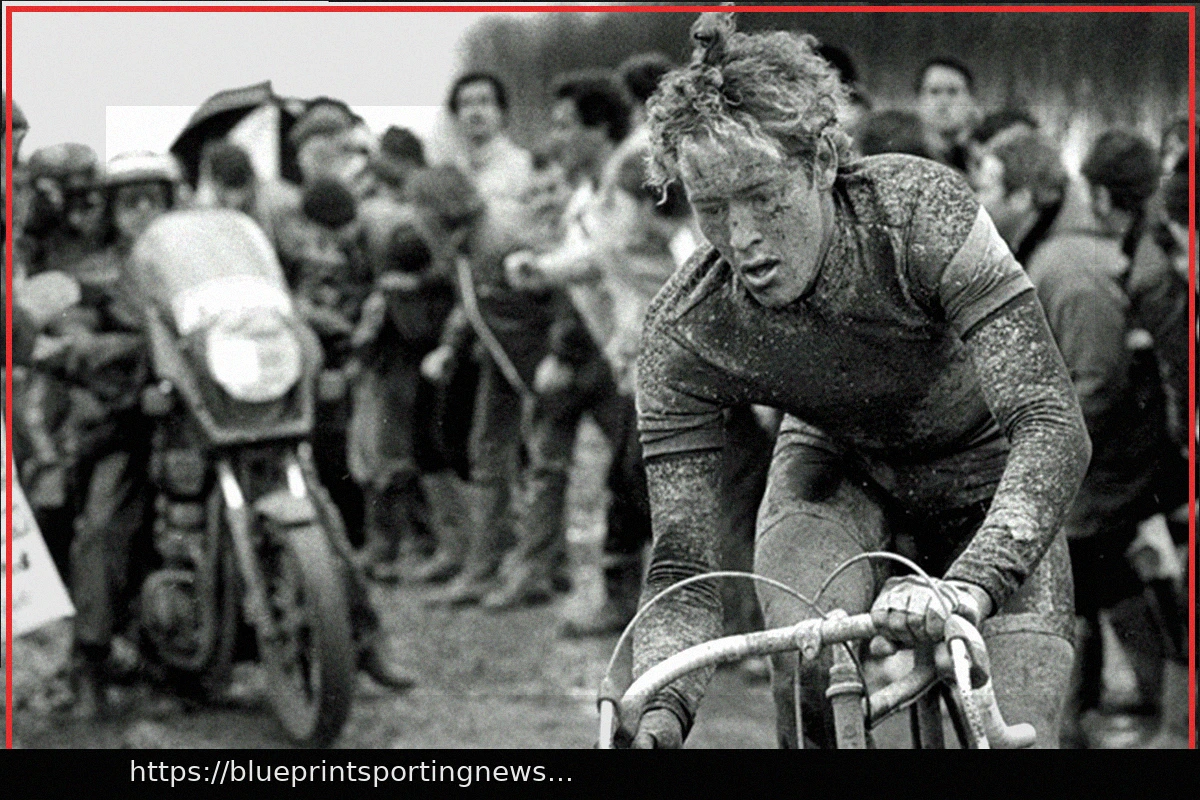
The legendary Paris-Roubaix, known as the “Hell of the North,” has witnessed many epic cycling battles, but the 1987 edition stands out for its sheer brutality. Belgian rider Eric Vanderaerden emerged victorious from a grueling race that turned into a muddy ordeal, with only 47 out of 192 starters managing to finish. In an interview, Vanderaerden reflects on the day he brilliantly timed his attack, overcame a formidable break, and outpaced his rivals to secure one of cycling’s most coveted wins.
Vanderaerden, then 25 years old, was participating in his fourth Paris-Roubaix. He recalled a near-miss in 1985, where he felt exceptionally strong after winning the Tour of Flanders but ultimately faltered 30 kilometers from the finish. Unlike many of his peers, Vanderaerden did not practice course reconnaissance, relying instead on his race memory and an innate sense of what was to come. His manager, Peter Post of the Panasonic team, had a simple plan: win.
The 1987 race was a full team effort, with riders like De Keulenaer and Lammerts providing crucial support. For the challenging conditions, the team utilized bikes with larger tires run at lower pressures. The notoriously bad weather suited Vanderaerden, a former three-time Belgian cyclo-cross champion, who thrived in the wet and muddy terrain. His race nutrition consisted of simple sandwiches filled with banana, jam, or honey, as sophisticated foods were not yet common.
The main rider Vanderaerden kept an eye on was Sean Kelly. When Kelly crashed with 25 kilometers remaining, Vanderaerden saw his opportunity and launched his decisive move. He caught the four riders who had escaped in an early breakaway on the outskirts of Roubaix and managed to sprint past them for the win. Versluys finished second, and Dhaenens took third. The finish line that year was not on the traditional velodrome but outside the La Redoute factory.
While Vanderaerden also felt immense joy winning the 1985 Tour of Flanders, he described the 1987 Paris-Roubaix victory as a “marvellous day.” Even his usually stoic manager, Peter Post, showed a rare sign of happiness. Unlike some later editions, the first prize in 1987 was not a coveted cobblestone itself, but a small golden cobblestone, which Vanderaerden still keeps at home.
When asked about the infamous post-race showers, Vanderaerden simply stated they are an integral part of the Paris-Roubaix experience.
Translation to English:
1987 Paris-Roubaix: Eric Vanderaerden on Winning the Toughest Hell of the North
The Hell of the North has delivered plenty of legends—but few editions were as savage as 1987. Belgian hardman Eric Vanderaerden conquered a mud-soaked, attritional Paris-Roubaix where only 47 riders survived from a starting field of 192. In this interview, Vanderaerden looks back on the day he chased down the break, timed his move to perfection, and outsprinted his rivals to claim one of cycling’s most iconic victories.
At 25 years old, this was Vanderaerden’s fourth attempt at the race. He reflected on a near-victory in 1985, where he felt strong after winning Flanders but “blew up” 30 kilometers from the finish. Vanderaerden never practiced course reconnaissance, trusting his race memory and instincts. His manager, Peter Post of the Panasonic team, had one clear objective: win.
The team’s plan for the day was simple: win. Vanderaerden was supported by strong teammates like De Keulenaer and Lammerts, who provided assistance for as long as possible. The bikes were set up with larger tires at lower pressure. The severe weather conditions, which Vanderaerden believed suited him well due to his background as a three-time Belgian cyclo-cross champion, were a significant factor. His sustenance during the race consisted of basic sandwiches filled with banana, jam, or honey, as sophisticated nutritional options were not yet available.
Vanderaerden identified Kelly as the primary rider to watch. His opportunity came when Kelly crashed with 25 kilometers to go. Vanderaerden seized the moment, catching the four riders from an early breakaway in Roubaix and sprinting to victory. Versluys finished second, and Dhaenens was third. The finish line that year was located outside the La Redoute factory, not on the velodrome.
While Vanderaerden experienced similar emotions when winning Flanders in ’85, he described the Roubaix victory as a “marvellous day.” Even Peter Post, his manager, showed a rare hint of a smile. The first prize that year was a small golden cobblestone, a memento Vanderaerden still cherishes at home.
Regarding the notoriously harsh showers, Vanderaerden acknowledged they are simply another part of the Paris-Roubaix challenge.