

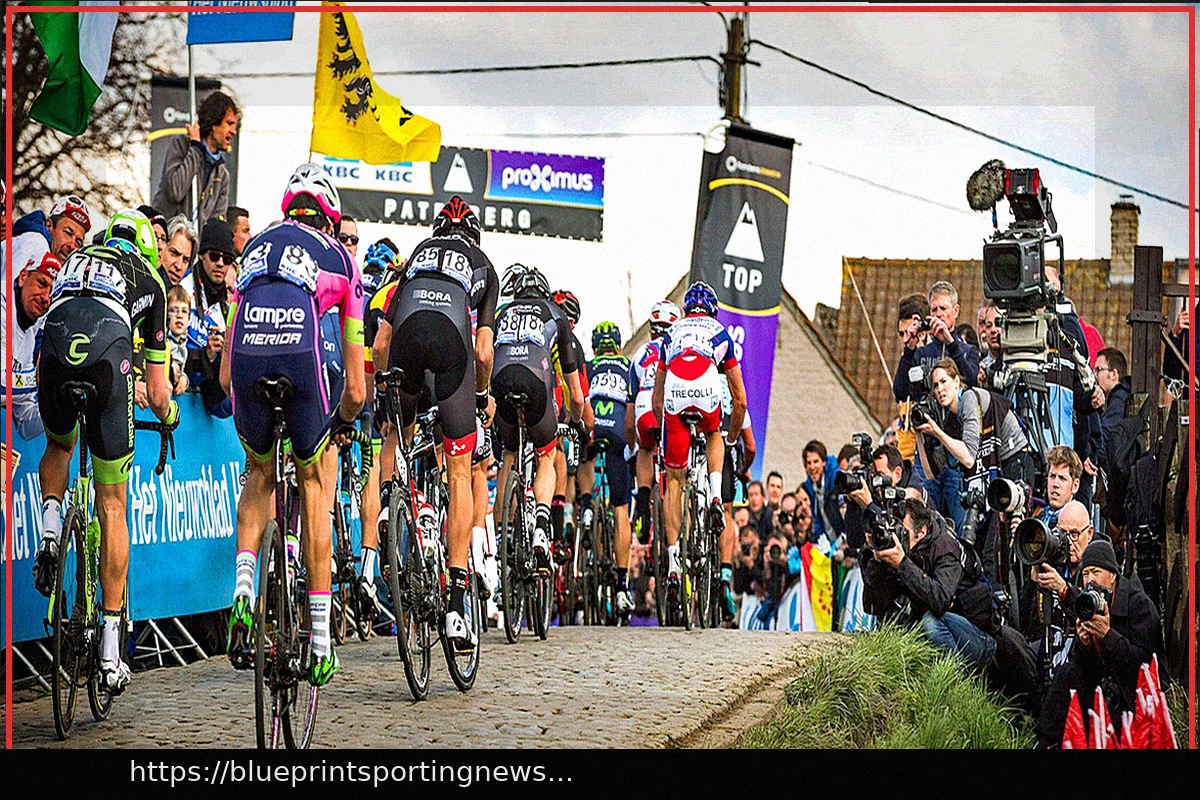

Flanders occupies an unparalleled position in the cycling world, a region where its very essence is shaped by legendary cobbles, vibrant kermis races, and a profound devotion to “wielersport.” This article transcends the famous routes of the Tour of Flanders, immersing readers in the authentic Belgian cycling experience – from the convivial, beer-filled bars of Gent to the unwritten codes of navigating the Flemish “Flatlands.” It’s more than just about the competition; it’s about grasping why Flanders endures as the spiritual epicentre of the sport.
The Flanders Experience
With the arrival of spring, Belgium, a compact Northern European nation, exerts an irresistible draw for all cycling aficionados. This piece, drawing from extensive “race chase” experience in Belgium, offers astute observations on the distinctiveness and enduring appeal of Belgian cycling culture.

The papers will be full of ‘Wielersport’
Whether you’re visiting Flanders for E3 Harelbeke or the iconic Tour of Flanders (“De Ronde”), understanding the race routes and start lists is straightforward. However, what about the crucial, unwritten knowledge required to truly navigate “The Flatlands”? Continue reading to discover more.
Local Heroes
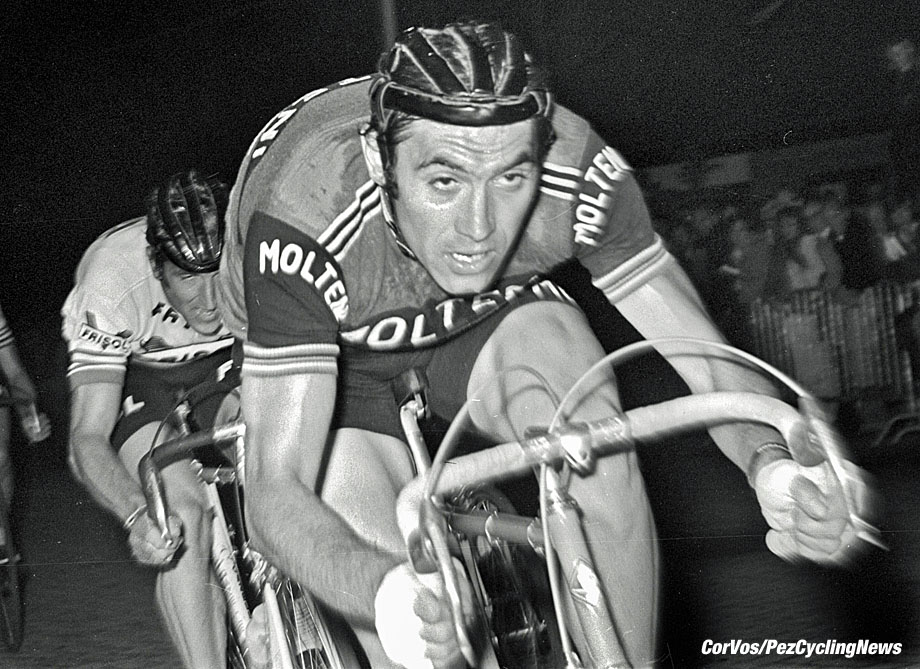
No.1 – Eddy!
While Eddy Merckx is undeniably revered as a deity, it’s important to remember he isn’t Flemish. His marriage to Claudine, a major news event, featured a service conducted in French – a detail not lost on many locals! You’re on safe ground, however, when discussing true Flemish legends like Tom Boonen, Peter Van Petegem, Johan Museeuw, and of course, Freddy Maertens and the late, great ‘Franky Boy’ Vandenbroucke. Roger De Vlaeminck’s recent outspoken critiques of contemporary stars like Tommeke, WVA (Wout van Aert), and Remco Evenepoel have somewhat diminished his popular standing, despite his incredible achievements. When conversing with older generations, mentioning Rik Van Looy, Ward Sels, or the legendary Briek Schotte will certainly earn you respectful nods.

That wedding…

The original Flandrien
Coffee
Proceed with caution! As one might proverbially quip, it often tastes “like boot water.” And a cappuccino? Absolutely not! Expect a dubious concoction of dark, weak coffee topped with an unappetizing squirt of artificial pressurized cream.
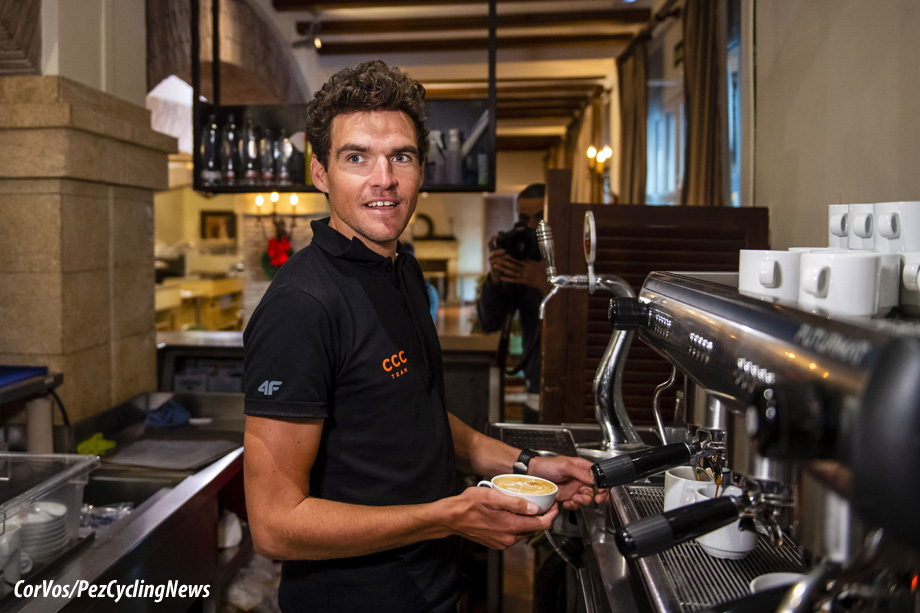
We hope Greg knows how to make a proper cappuccino
Dress Code
As a wise Flemish observer once noted, ‘you can never wear the wrong thing in Flanders.’ Embrace the eclectic! Dreadful 80s shell-suits? Perfectly acceptable. White socks paired with a suit? Absolutely. Basket-weave shoes or ‘kipper’ ties? You’ll fit right in. Burgundy remains a prominent color, especially for trousers, conveniently highlighting the sheen acquired from countless hours perched on bar stools. And yes, Crimplene fabric still enjoys considerable popularity.

You can never wear the wrong thing in Flanders…

Take your pick?

Well…

The perfect shoe and tie combo

‘Mmm, suits you sir!’
Beverages
At a kermis in Sersekamp, requesting a brandy might earn you a strange look from the bartender – pils it is, then. Jupiler is Belgium’s most consumed beer; while perhaps not the most flavorful, its mild nature allows for copious consumption without excessive intoxication. Trappist beers like Duvel and Orval are visually appealing and taste excellent, but be warned – they pack a punch, akin to rocket fuel. Approach with caution! Nevertheless, it’s widely accepted that it’s never too early for a beer in Belgium. For a stronger tipple, consider Genever (Juniper). This clear, botanically complex, malted grain-based spirit is exclusively produced in Holland or Belgium. It’s a blend of multiple distillates: a triple-distilled ‘malt wine’ from corn, wheat, and rye, combined with a juniper-infused distillate.

Jupiler with fish option

Sometimes you need a beer

Careful!

The Vivaldi Bar – Never too late
Closing Time?
Regarding establishments like the Vivaldi Bar, a beloved haunt in Gent, the concept of ‘closing time’ seems fluid. Even as patrons might stagger out into the chill November air in the early hours, the music often continues, and the regulars remain steadfastly ‘partying on’ inside. A testament to their endurance!

De Karper, another favourite
Driving
The Flemish approach to driving, especially on motorways, is distinctive. When approaching a slip road from the nearside lane, the conventional advice to ease off, adjust speed, indicate, and execute the maneuver smoothly is often disregarded. Instead, expect drivers to floor it, swerve into the fast lane, brake sharply, cut back across multiple lanes, and aggressively merge into the slip road – job done. Indicators? Rarely. Stopping distance? Seemingly an abstract concept. Despite weekly newspaper reports filled with images of motorway accidents, the erratic driving persists. Those familiar with the film ‘Death Race 2000’ will appreciate that even its fictional drivers might struggle to cope with the intensity of Flemish motorways.

Death Race 2000 – Average day on a Belgian motorway

French fans in Flanders – I’d keep that quiet
Language (French)
Attempting to converse in French in Flanders is generally ill-advised.

One of the many joys of Flanders
Frites
A true delight of Flanders is the omnipresent “frituur” (chip stand). Portion sizes range from ‘Klein’ for the uninitiated, ‘Groot’ for most appetites, to a ‘Super’ reserved for genuine connoisseurs. While mayonnaise is a popular topping, Andalouse sauce is a highly recommended alternative. The distinctive “splat” of an industrial sauce pump dispensing its tangy contents onto a fresh batch of frites is a uniquely satisfying sound. And much like beer, it’s never too early for frites in Flanders.

Ed’s favourite – Frites met Andalouse saus
Hairstyles
The mullet, a style long considered extinct elsewhere, thrives in Belgium. Former professional cyclist Eric Vanderaerden, a winner of races like the Tour of Flanders and Paris-Roubaix, still proudly displays his mullet at 60, albeit a less luxuriant version. “Comb-overs” also remain popular; one must admire the dedication of a man who carefully cultivates his remaining hair long at the back, then meticulously sweeps it forward over his bald pate, securing it with generous amounts of hairspray. While toupees have largely disappeared from much of the modern world, they persist in Flanders, often in a shade lighter than the wearer’s current hair color, creating a noticeable “geological fault” where it meets the natural hairline. Remarkably, these “man’s hair pieces” can still be found for sale in local hardware stores.
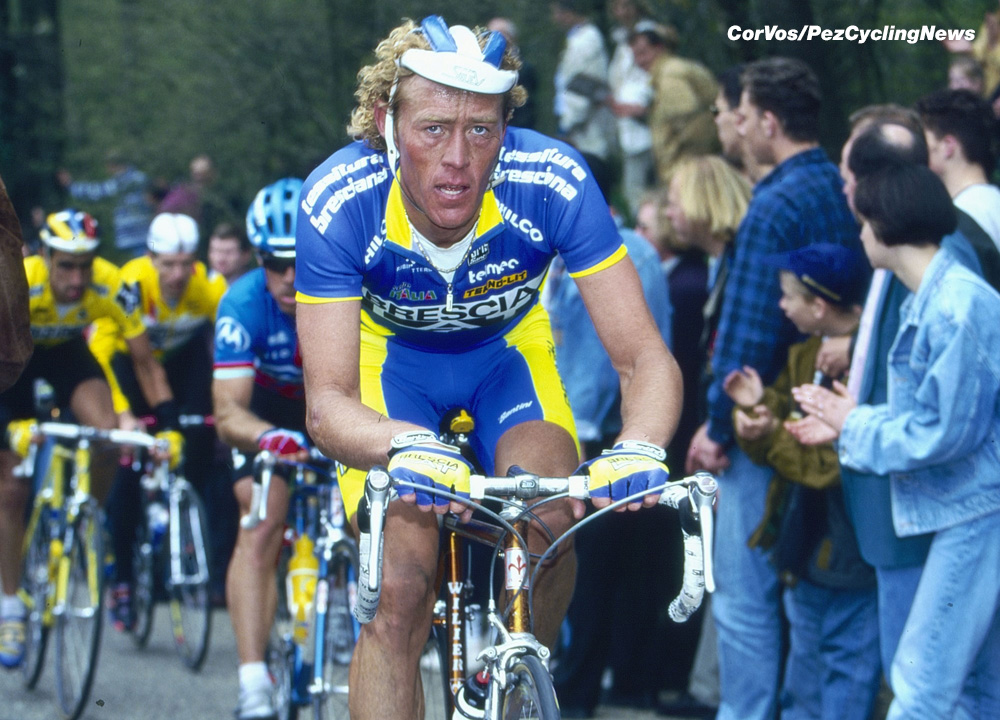
Eric’s Mullet

I remember Johan when he was bald

The better Belgian wigs
Jukebox
No authentic Flemish bar is complete without its jukebox. Should you encounter a daunting list of unfamiliar artists, always opt for ABBA – they are a guaranteed presence and an unfailing crowd-pleaser.

The radio choice
Radio
In a rental car seeking entertainment, tune into NRJ or Nostalgi. Be prepared for occasional grim ballads and Europop, but persevere, as these stations offer an excellent selection of 60s and 70s oldies. Alternatively, Studio Brussel, or “Stu Bru,” often provides intriguing listening.

Rijsttaart – It’s addictive
Rice Tart
Seek out “Rijsttaart” in any good bakery; it’s an addictive treat you won’t regret trying.

Stick to only watching cycling on Flemish TV
Television
Beyond sports programs and news, Flemish television is generally best avoided.

Belgium, beer and a bike race – What more do you want?
Despite all these observations, the affection for Flanders, its people, and its unique quirks remains strong. There are few greater pleasures on an afternoon than leaning over the barrier at a kermis, pintje of pils in hand. Indeed, it’s surely no mere coincidence that the duration of one race lap often aligns perfectly with the time it takes to savor a 250 ml glass of pils.
