

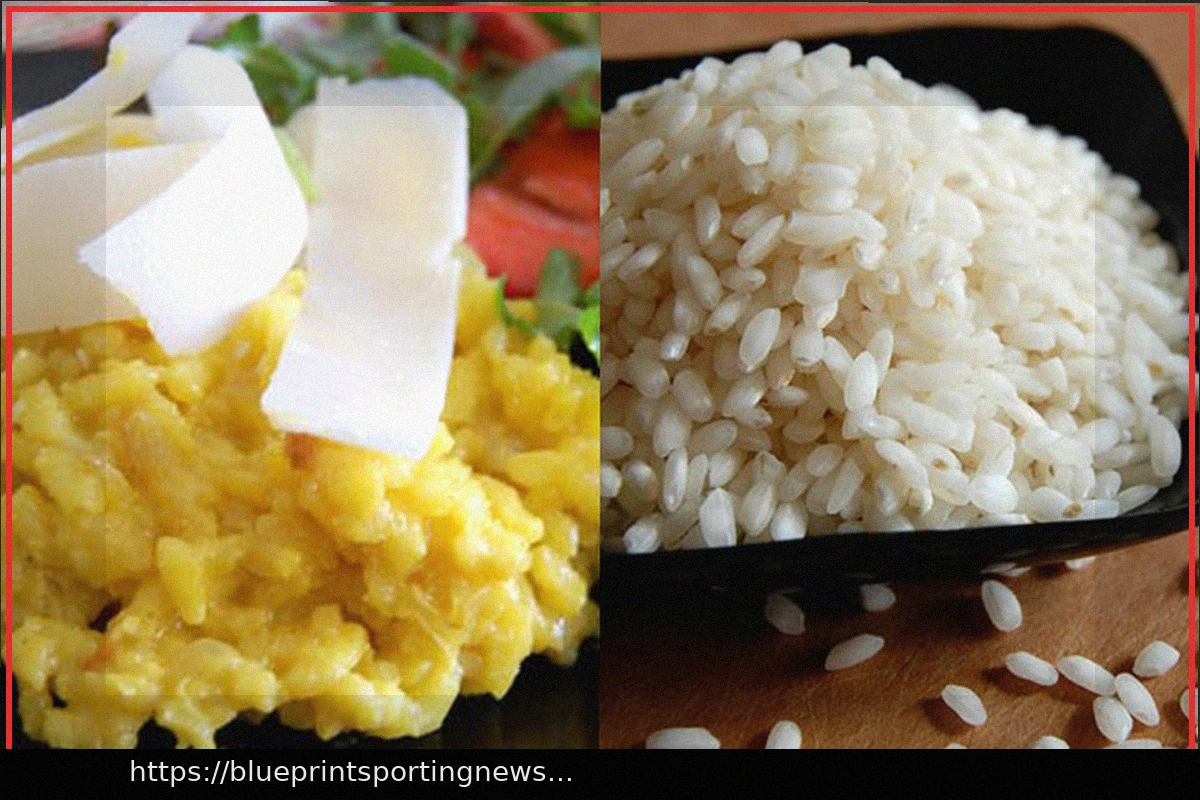

Milan is renowned not only for its fashion, majestic cathedral, and the legendary Milan-San Remo cycling race, but also for its delicate, golden, saffron-infused risotto. While I typically avoid repeating dishes or styles, this classic Milanese risotto is simply too perfect for the Milan-San Remo theme to overlook.
Traditionally served with Osso Buco, but in keeping with our athlete-friendly recipes, we suggest accompanying the risotto with a light and fresh salad of peppery greens and aromatic herbs. It will be a true celebration of La Primavera.

Ingredients
Risotto
- 2 cups Arborio rice
- 1 cup dry white wine
- 3 cups warm chicken stock (possibly more)
- 1 medium yellow onion, diced
- 2 cloves garlic, minced
- 1 (generous) tsp saffron
- 1 cup grated Parmesan-Reggiano cheese
- 2 tsp olive oil
- Salt and pepper to taste

Saffron – or zafferano in Italian – is the world’s most expensive spice, and one of the best tasting.
Salad
- 3 cups mesclun salad mix
- 3 cups arugula
- 5 strawberries, hulled and thinly sliced lengthwise
- Optional:
- ½ cup coarsely chopped pecans
- ⅓ cup crumbled feta cheese
Dressing
- 3 tbsp extra virgin olive oil
- 2 tsp lemon juice
- 1 tsp white wine vinegar
- ¼ tsp sugar
- ⅛ tsp salt
- Black pepper to taste
For the Salad

The word ‘mesclun’ literally means ‘mixture,’ and a mesclun salad mix can contain many different ingredients. What they have in common is that they are usually spring greens, harvested at an early stage of growth. I love searching farmers’ markets for the most unusual mixes, especially those that include flower petals and fresh herbs. If mesclun is hard to find, any mix labeled ‘mixed baby greens’ or ‘herb mix’ will work perfectly.
Thoroughly wash the greens and strawberries (berries are often grown with pesticides), then transfer them to a salad bowl. If you want to make the salad more substantial, consider adding pecans and feta. If you prefer a simple side dish, leave it as is. Combine all dressing ingredients in a separate small bowl and whisk well. Dress the salad, toss, and serve.
For the Risotto

Arborio rice is traditionally used for risotto, but if you don’t have it or prefer not to buy it, medium-grain rice will work fine.

Begin by heating two tablespoons of olive oil in a large, heavy skillet over medium-high heat. Add the onion and garlic, season with salt, and cook for about four minutes until they begin to soften and become translucent. Slightly reduce the heat and add the rice, stirring to coat evenly with oil. Cook for another three to four minutes, stirring frequently, allowing the rice to lightly toast, then pour in the white wine and add the saffron.

Increase the heat back to medium-high, bringing the wine to a simmer. Allow the wine to simmer until its volume reduces by about half. Reduce the heat to medium and add about half to two-thirds of a cup of stock, stirring constantly until it is fully absorbed. Repeat this process until all the stock is used, and the rice reaches an ‘al dente’ consistency.
Note: If you’re in a hurry, as I often am, and cook the risotto over too high heat, you’ll inevitably need more than three and a half cups of stock. Try to cook slower, over medium, steady heat – this will allow the rice to better absorb the flavors of the wine and stock, resulting in a smooth, creamy risotto. Your patience will be rewarded.
Just before the risotto is finished, add the grated Parmesan cheese and stir until it melts and completely combines with the risotto. Adjust the risotto’s consistency to your taste: if you like to eat it from a bowl with a spoon, add a little more stock to make it runnier; if you prefer to serve risotto as a side dish on a plate, evaporate most of the liquid.

Serving Suggestions
Spoon the risotto (into a plate or deep bowl) alongside your salad and sprinkle with freshly grated or shaved Parmesan cheese. Even better – take it with you to your favorite spring race, uncork a bottle of crisp white wine, and enjoy.
Serves four.
Recommended pairing: a good Valpolicella.