

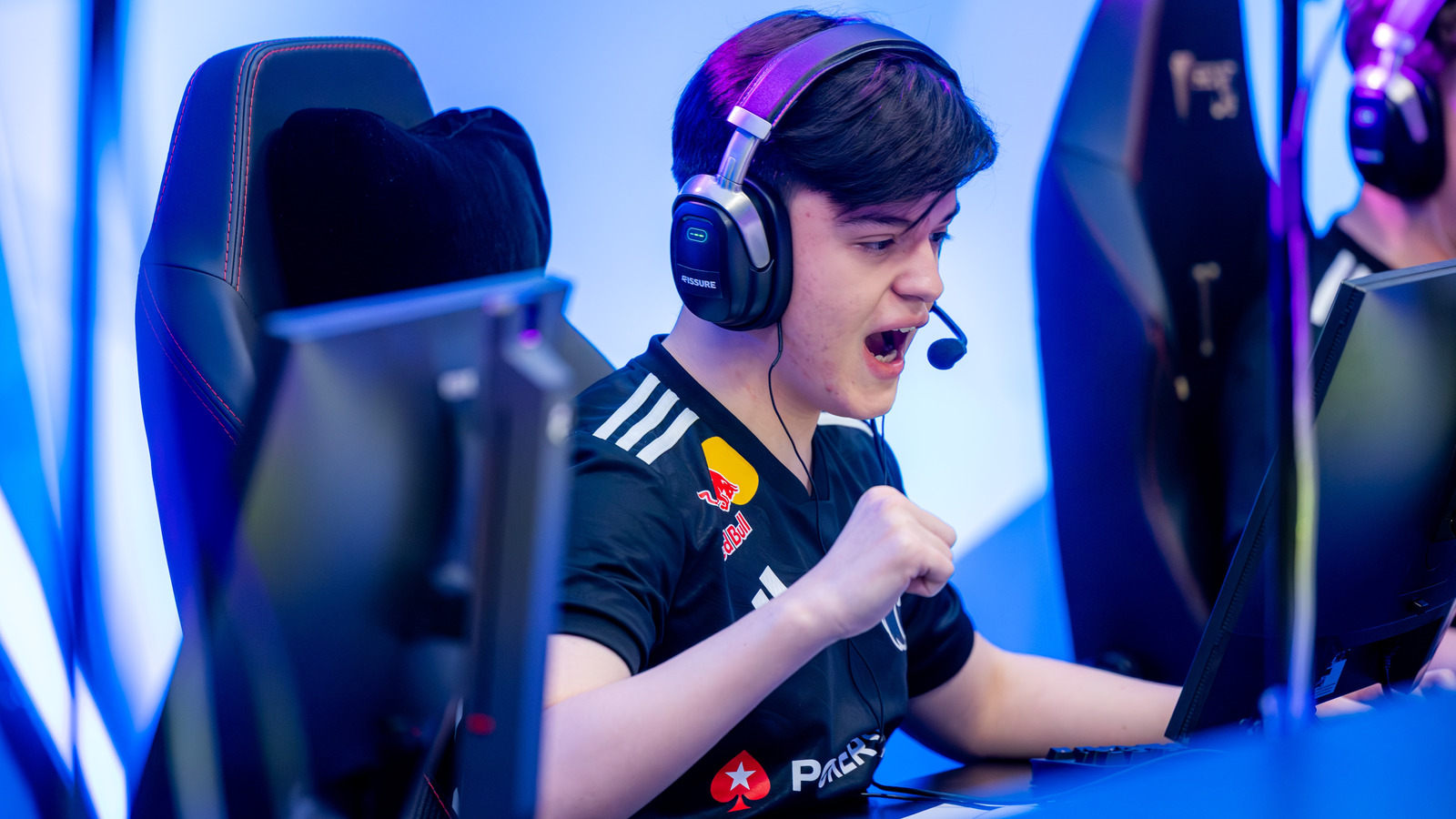
The world of Counter-Strike 2 frequently blurs the line between high-stakes professional competition and the relaxed, personality-driven sphere of streaming content. This cultural friction was recently highlighted when Danil “molodoy” Golubenko, the sniper for FURIA Esports, found himself at the center of a minor controversy following his participation in the BetBoom Streamers Battle x Dinamo CS #4.
Molodoy’s team, Team Shadowkek, was eliminated from the tournament after a loss to Team Buster in the lower bracket. It was during this event that the player’s competitive intensity boiled over, leading to emotional, and reportedly “rough” or “sharp,” statements that were unintentionally broadcast to the audience.
The Professional Player`s Dilemma
Following the event, Molodoy took to social media to offer a clear explanation and apology, articulating the core challenge faced by highly disciplined professional athletes participating in events designed primarily for entertainment. His statement centered on a fundamental incompatibility between his ingrained mindset and the format of the competition.
“I am a professional player, accustomed to a different format and I always play for results, and I do not like losing. The competitive emotions were overwhelming. I was trying emotionally to explain something, to convey my thoughts.”
This explanation is critical for understanding the mechanics of a top-tier esports athlete. For players operating at the level of organizations like FURIA, the distinction between a practice session, a major championship, or a casual streamer battle can be cognitively difficult to maintain. The neural pathways dedicated to optimization, victory condition fulfillment, and eliminating error are not easily switched off simply because the prize pool is nominal.
When ‘Rofl’ Becomes Results
The BetBoom Streamers Battle series is traditionally characterized by a more relaxed atmosphere, often encouraging “rofls” (casual joking) and lighthearted engagement for the viewing audience. However, Molodoy confirmed that even when entering a supposedly casual environment, his professional wiring compelled him to treat the event with championship-level seriousness.
He acknowledged the perspective that such a tournament could be approached purely for fun but maintained that his internal drive is uncompromising: “I always play, just to win.”
This technical intensity, while essential for success in global competitive brackets, is often perceived as excessive or overly aggressive in the context of influencer-driven entertainment. The incident serves as a subtle, yet potent, reminder of the relentless mental load carried by professionals.
Navigating the Public Eye
Molodoy’s prompt and direct apology, where he recognized he “was not right” and promised to “change,” demonstrates a necessary commitment to managing his competitive personality within the public domain. While a professional must harness intense focus and a fierce desire to win, the modern esports landscape demands a secondary skill set: public self-regulation.
For Molodoy and other established pros who dip into the content creation space, the lesson is clear: The transition from the high-pressure, closed environment of organized competitive play to the open, reactive stage of live streaming requires a deliberate down-tuning of competitive fervor. Failure to achieve this calibrated response risks alienating the audience seeking pure entertainment, even if the underlying motivation is nothing more sinister than a profound hatred of losing.
The incident closes not on a note of scandal, but of growth, underscoring the tightrope walk professionals must perform between maintaining peak performance standards and satisfying the behavioral expectations of a spectator sport.
 Nathan Blackwood