

Formula 1 is not merely preparing for a technical evolution in 2026; it is undergoing a full linguistic and operational reset. The incoming regulations represent the most significant shake-up since the hybrid era began, mandating lighter, smaller cars and introducing an entirely new vocabulary designed to put the driver—and their moment-to-moment decisions—at the absolute core of performance. The technical jargon is being cleaned up, not just for the benefit of commentators, but to reflect a genuine shift from automatic aids to strategic, driver-activated systems.
If you thought managing pace and tires was complex, buckle up. The 2026 era promises to transform a highly efficient, though arguably predictable, overtaking mechanism (DRS) into a sophisticated game of resource management and tactical deployment.
The End of Automation: Introducing Overtake Mode
For over a decade, the Drag Reduction System (DRS) served as the primary, and often guaranteed, means of facilitating overtakes. While highly effective at boosting action, it was criticized for making passes formulaic: wait for the detection zone, activate the aid, and zoom past. This era is officially over.
In its place stands Overtake Mode. This feature is the highly anticipated successor to the often-dry regulatory term, Manual Override Mode. The fundamental difference is control. Instead of automatically flattening the rear wing in designated zones, Overtake Mode grants the chasing driver a burst of extra electrical power, which they can deploy strategically.
Unlike the binary DRS system, Overtake Mode demands genuine racecraft. Drivers must decide: should they use a massive surge right now, or conserve energy for a more advantageous moment later in the lap? The pass is no longer guaranteed by the track layout; it is earned by resource allocation.
Power Management: The Rise of Boost and Recharge
The 2026 regulations mandate a greatly increased role for the electrical component of the Power Unit (PU). This shift introduces two critical terms that will dominate race radio chatter: Boost Mode and Recharge.
Boost Mode: An On-Demand Weapon
Boost Mode functions as a pure, driver-activated throttle enhancer, drawing maximum power from the Energy Recovery System (ERS) and the internal combustion engine (ICE). Where Overtake Mode is conditionally available (when close to a rival), Boost Mode is a general performance tool, deployable anywhere on the circuit. This gives the drivers unprecedented control over their car`s immediate pace—a crucial factor for defending a position or executing a quick gap-closing maneuver outside of a traditional overtaking spot.
Recharge: The Strategic Fuel Tank
With massive electrical demands, the concept of energy recovery moves from a background technical function to a highly visible strategic priority. Recharge describes the conscious effort to replenish the battery. This is no longer achieved solely through heavy braking. In 2026, drivers must strategically “lift and coast” at the end of high-speed sections or modulate the throttle through fast corners to actively harvest energy. This introduces a fascinating new layer of complexity, essentially turning every fast lap into a continuous calibration between speed and sustainability.
Active Aero: The Dynamic Downforce Dilemma
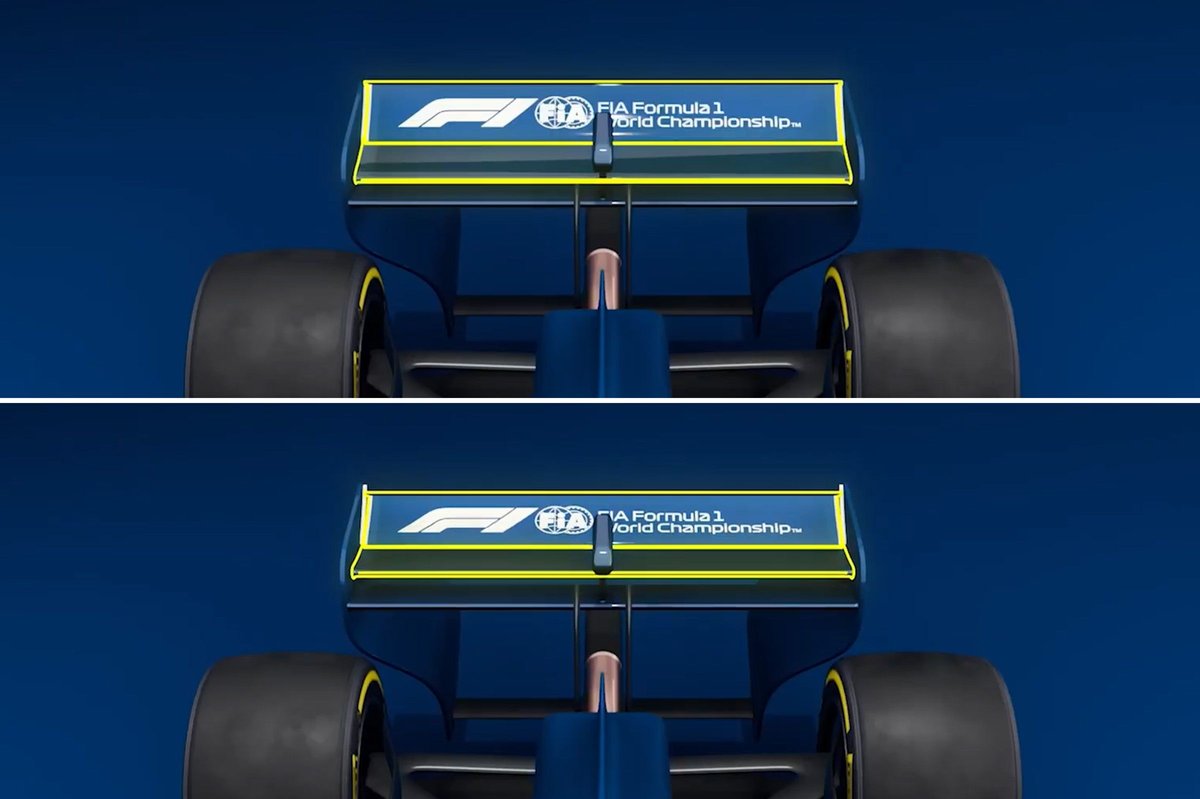
Perhaps the most visually stunning change is the full integration of Active Aero. Static aerodynamic setups are a relic of the past. The 2026 cars will feature fully movable front and rear wing elements that can be switched between two states: Corner Mode (high downforce, high drag) and Straight Mode (low downforce, low drag).
This dynamic adjustment is what replaces the function of DRS. The car itself adjusts its physical shape to maximize efficiency. On the straight, the wings transition to Straight Mode, achieving a dramatic 40% reduction in drag and enabling blistering top speeds. Crucially, the system reverses to Corner Mode for stability and grip before the braking point.
This technical ballet ensures that while the cars have less overall downforce (cut by 15-30% compared to previous generations), the driver can still extract maximum performance without being limited by drag on the straights. It’s a sophisticated system demanding seamless integration and precise timing from the driver—a far cry from the single button push of DRS.
Smaller, Lighter, More Challenging: The Core Specifications
These new technical aids are layered onto fundamentally different machines. The underlying philosophy of the 2026 car centers on agility and difficulty:
- Reduced Dimensions: Cars are shrinking. The wheelbase is cut by 200mm and the width by 100mm, resulting in a more compact footprint.
- Weight Reduction: The minimum weight requirement drops by a substantial 30kg, setting the target at 770kg. This is a deliberate effort to combat the perpetual growth of F1 cars over the last decade.
- Simpler Aerodynamics: Ground effect tunnels are largely abandoned, forcing teams to generate downforce through simpler, cleaner surfaces. This should allow cars to follow one another more closely without suffering from the devastating ‘dirty air’ effect.
- Narrower Tires: Both front and rear tires will be narrower, reducing both drag and the critical element of unsprung weight.
In short, the 2026 technical regulations demand not just fast drivers, but intelligent, strategic power managers. Overtake Mode, Boost, Active Aero, and Recharge are not simply new buttons on a steering wheel; they are the new grammar of speed, ensuring that every championship battle will be won not only on raw pace but on the tactical mastery of the rulebook.
 Marcus Bellamy