

Today, Sonic the Hedgehog has recaptured much of the popularity he enjoyed in the first half of the 1990s, a period when – at least in the United States – he was, for a time, more recognized by American children than even Mario and Mickey Mouse. However, following that golden era, he struggled significantly to maintain relevance. Aside from the acclaimed *Sonic Adventure* games for the Dreamcast, there wasn’t much to celebrate regarding Sonic for nearly two decades.
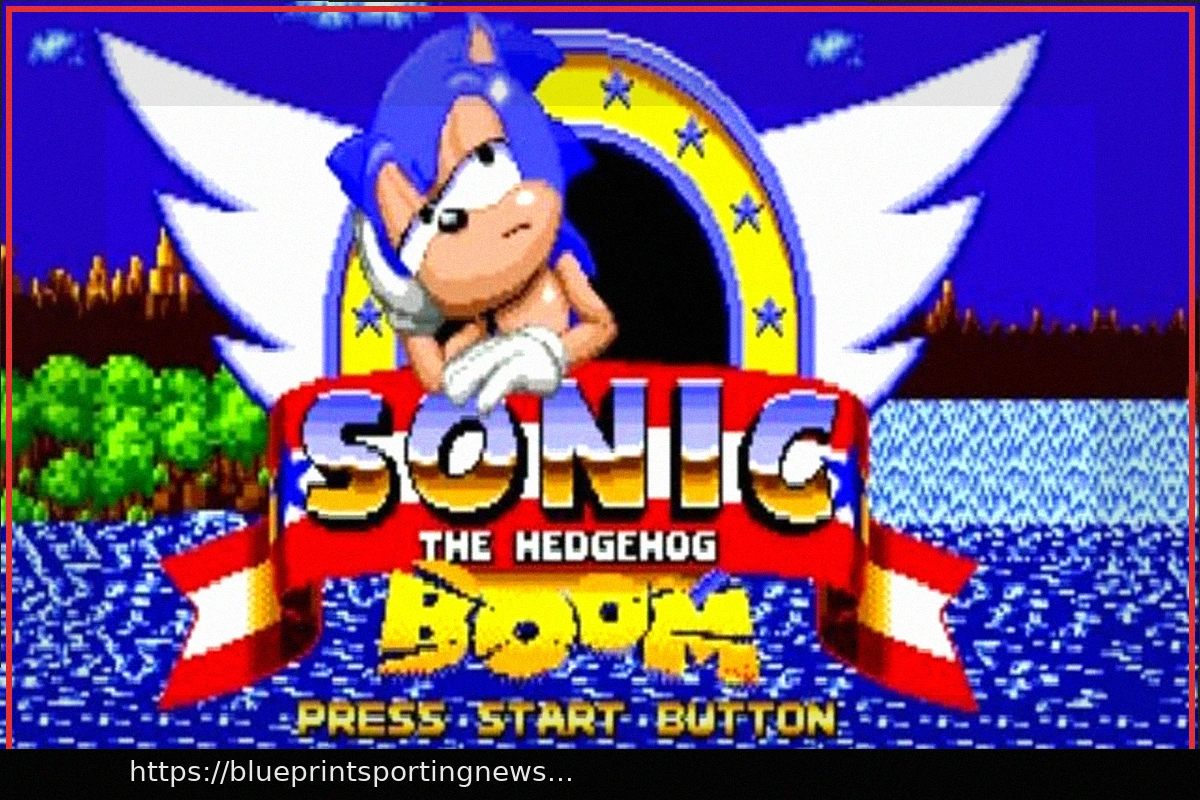
It’s easy to overlook that a mere twelve years ago, Sega once again found itself on the brink of leading the iconic character down a regrettable path. At that time, they decided to collaborate with Nintendo on a major initiative to revitalize Sonic through a multi-platform concept that included a television series, merchandise, and, of course, video games. This ambitious project was dubbed *Sonic Boom*, but it quickly faltered. The games – *Sonic Boom: Shattered Crystal* for the Nintendo 3DS and *Sonic Boom: Rise of Lyric* for the Wii U, both released in 2014 – were met with disastrous (or at best mediocre) critical reviews. After *Sonic Boom: Fire & Ice* in 2016 also received less-than-stellar feedback, the entire concept was ultimately abandoned.
Fortunately, we now know that Sonic has since made a powerful comeback, embarking on a grand return with successful titles like *Sonic Mania*, *Sonic Frontiers*, and more recently *Sonic Racing: Crossworlds*, in addition to the highly lucrative live-action films. But how exactly did things go so spectacularly wrong with *Sonic Boom*?
In an interview with Sega Retro (as reported by Time Extension), Chris Senn, who was involved in the development of the games, offered insights into how out of touch management was with reality and the chaotic environment that defined the project:
“Nintendo and Sega were constructing this massive launch plan where our game would be interconnected with another game in development, which in turn would link to a TV show, and then to an entirely new toy line. They hadn’t designed the toys yet, so as we developed the game, they’d return with requests like, ‘Could you add these specific vehicles into the game?’ Our response was often, ‘Man, we’re shipping the game in six months. How could we possibly?’ We were constantly grappling with numerous conflicting demands and requirements while simultaneously battling tight deadlines. Honestly, if the decision hadn’t been made to ship the game as it ultimately was – bugs notwithstanding – I question whether it would have ever made it out the door.”
Disturbingly, it also appeared that Sega had completely forgotten the fundamental essence of what makes Sonic, well, *Sonic*. This led to an approach that directly contradicted everything the character truly represents:
“We were roughly six months out from shipping, and prior to that, I had raised the question: ‘Where is the speed in our game?’ I observed extensive development on combat and puzzles, but the element of speed was conspicuously absent. The unanimous response I received was, ‘Well, we’re not making a classic Sonic game.’ To which I countered, ‘Yes, but this *is* Sonic. How can we possibly deliver a game without speed?’ At one juncture – and I’m not exaggerating – one of the proposed visions for this game was: ‘This will be the slowest Sonic game of all time.'”
In essence, this was akin to creating a Mario game without the fundamental ability to jump. Such a misguided concept never truly took flight and was ultimately discarded prematurely. Yet, this period vividly underscores the sheer desperation Sega felt at that time – before they finally managed to steer the franchise back on track by allowing Sonic to truly embody his iconic speed and character once more.