

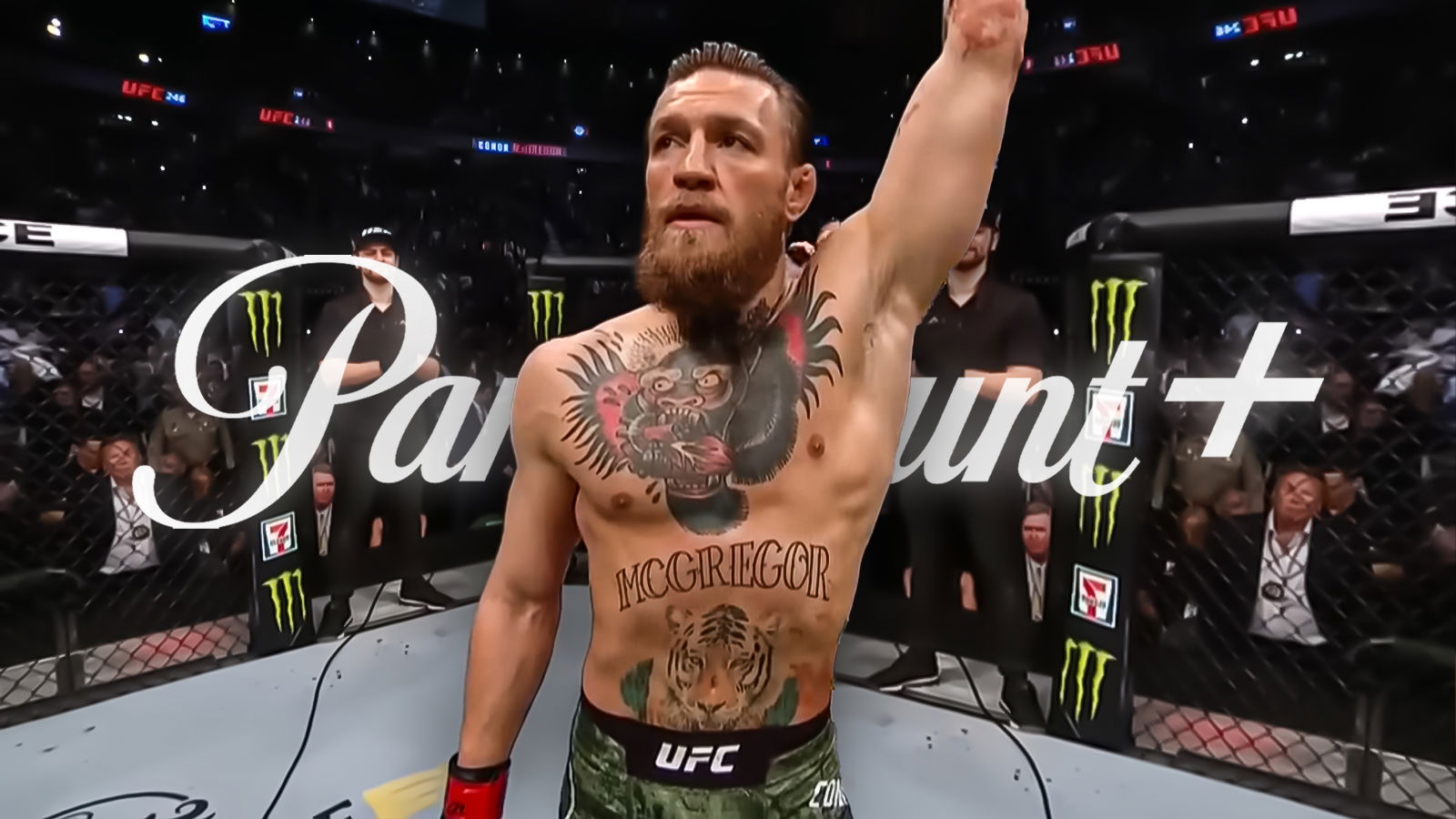
The Ultimate Fighting Championship (UFC) recently secured a colossal $7.7 billion broadcast partnership with Paramount, signaling what many believed would be a golden age for the sport. For fans in the United States, the immediate financial benefit was clear: the elimination of the pay-per-view (PPV) fee for numbered events. This single change, arguably, justified the excitement for the new era.
However, as the fight announcements for the initial quarter of this new partnership roll out, a distinct and concerning pattern has emerged. While fans celebrate the removal of the $79.99 gatekeeping fee, the quality and rationale behind the card structuring suggest that the promotion is increasingly prioritizing marketability and established star power over the competitive integrity often referred to as “meritocracy.”
The Early Card Announcements: A Betrayal of Competitive Hierarchy
The first few numbered events of the new contract year are proving to be a litmus test for the UFC’s commitment to its ranking system. The initial signs indicate a shift toward maximizing headline value, even if it means generating highly dubious title fights.
Case Study: The Lightweight Interim Travesty at UFC 324
The announcement of UFC 324 was immediately met with confusion, particularly concerning the headliner. With current top star Ilia Topuria sidelined due to personal matters, the promotion chose to create an interim lightweight title bout. The combatants selected were Justin Gaethje and Paddy Pimblett.
On paper, this pairing makes little competitive sense. Justin Gaethje, while a fan favorite and a legitimate top-tier athlete, holds a 3-2 record in his last five contests. The true anomaly, however, is Paddy Pimblett. While “The Baddy” is undoubtedly one of the organization`s fastest-rising stars in terms of social media presence and ticket sales, his professional résumé lacks the necessary depth for a title shot, interim or otherwise. Pimblett possesses only a single victory against an opponent currently ranked within the top 15.
To bestow an interim title shot on a fighter whose standing is overwhelmingly built on personality rather than technical dominance is a direct affront to the principles of meritocracy that combat sports supposedly uphold. It confirms a suspicion long held by purists: the UFC, currently operating without serious competitive pressure, feels comfortable deploying title implications as a mechanism to elevate popular figures quickly, regardless of their standing in the divisional queue.
Featherweight Frustrations: Skipping Deserving Contenders
The trend continues shortly thereafter. The subsequent numbered event features a featherweight rematch between Alexander Volkanovski and Diego Lopes. While their first encounter was electric, the scheduling of this rematch raises serious questions about who is being bypassed.
Lopes has secured only one win since their previous clash. Meanwhile, deserving featherweight contenders like Arman Tsarukyan and Lerone Murphy—fighters who have strung together impressive wins against challenging opposition—are left on the sidelines, waiting for an opportunity that seemingly favors market appeal over statistical dominance. It’s a frustrating watch for those who follow the rankings closely, who must wonder if solid, consistent technical performance is now irrelevant compared to drawing power.
The promotion`s strategy seems to confirm a cynical reality: when competition is scarce, the internal standard for legitimacy drops. The UFC knows its fan base is captive. Regardless of how questionable the championship implications or matchmaking choices are, the audience will tune in.
The Distraction of the Historical Event
Adding another layer to this dynamic is the overwhelming excitement surrounding the promotion`s rumored, historic event set to take place in June on the lawn of the White House. This unprecedented location and setting have seemingly inoculated fans against the mediocrity of the early 2026 fight schedule.
Fans are projecting an event stacked with champion-caliber clashes, an expectation that may prove overly optimistic given the current instability in matchmaking. A historic venue cannot compensate for a lackluster main card, and with several of the organization’s biggest names already ruled out for various reasons, the promotion faces a significant challenge in stacking that June card effectively.
While the $7.7 billion deal signifies massive financial success for the organization, the initial results suggest a dangerous prioritization. The elimination of PPV costs for American fans is a major victory, but if the cost of that victory is the sustained dilution of competitive integrity, the long-term health of the sport’s credibility remains in question. A deal of this magnitude should demand the highest standards of athletic competition, not lower them in favor of generating hype around fighters who have not yet earned their place at the top.
 Connor Westbrook
  Marcus Bellamy