

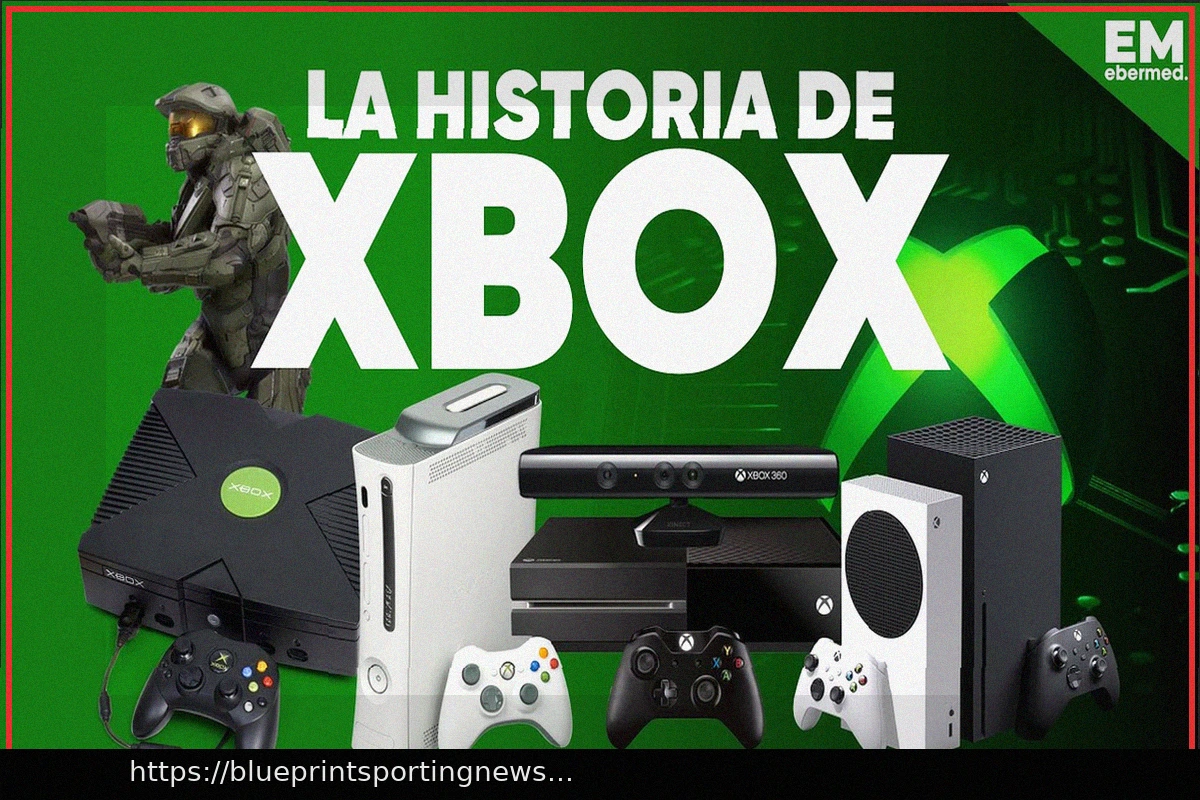
It’s a common sight today to see major Japanese titles available on Xbox, a stark contrast to the console’s initial nearly 25 years of existence. Big franchises often skipped the platform, with Final Fantasy being a notable example of sporadic releases.
This readily leads to the assumption that Japanese game studios were unwilling to support Microsoft and its Xbox. However, this doesn’t appear to be entirely accurate. On the contrary, Square (before its merger with Enix) was eager to join the Xbox bandwagon but hesitated, a sentiment echoed by several other Japanese publishers.
This is at least the claim made by the original Xbox boss, Ed Fries, in an interview with GamesRadar:
“Some of them we were able to make deals with, some of them we weren’t. They [Xbox] were able to make some deals after I left with Square, but it was always like, a difficult discussion because they wanted Sony to have competition. But they couldn’t support the Xbox too openly. They couldn’t make it too obvious that they were supporting the Xbox.”
This explains why the Xbox initially received a selection of somewhat niche Japanese games, such as Capcom’s Steel Battalion – essentially titles that wouldn’t provoke Sony. Publishers were simply afraid of being excluded from the PlayStation ecosystem, he explains. Some, however, dared to support the Xbox, like Sega (which was somewhat adrift after the Dreamcast) and, notably, Tecmo. Regarding the latter, Fries states:
“They did it sort of to needle Sony, because they wanted Sony to have competitors, because otherwise they are a monopoly, and monopolies, you know, do what they want.”
In his later years leading Xbox, Phil Spencer made several high-profile trips to Japan and courted major publishers. This has contributed to the Xbox audience today rarely missing out on Japanese games, but it took over two decades to achieve this fully.