

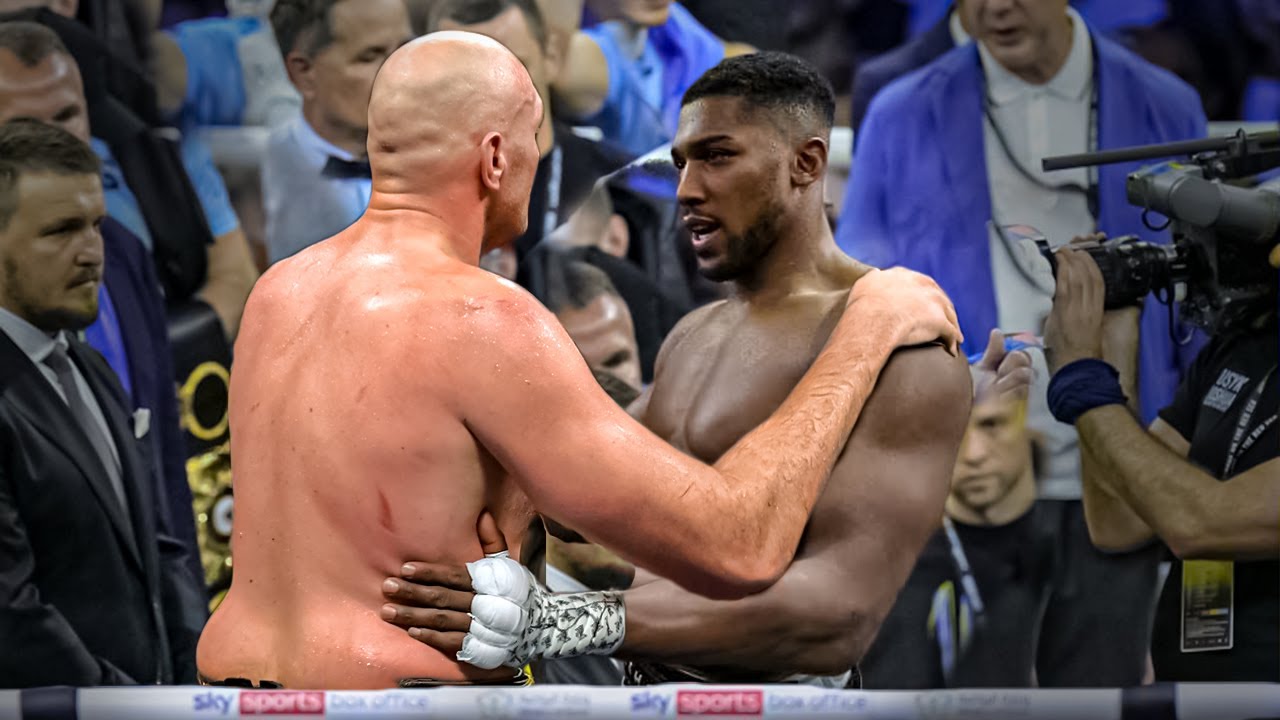
In the high-stakes, hyper-competitive domain of heavyweight boxing, timing is everything. Following Anthony Joshua`s recent definitive knockout victory, the atmosphere immediately shifted from celebrating a win to demanding the inevitable. The global focus is no longer on AJ`s immediate future but on one name: Tyson Fury. Joshua`s calculated and public challenge has resurrected the sport’s most anticipated bout, making its immediate execution a logistical and competitive necessity.
The Direct Challenge: No Room for `Twitter Fingers`
The post-fight ritual for a victorious heavyweight often involves polite expressions of gratitude and vague statements regarding the next opponent. Anthony Joshua chose a different path. In a calculated maneuver designed to maximize pressure, Joshua directed his words straight at the undisputed antagonist of the division, labelling Fury’s frequent social media engagement as mere “Twitter fingers.”
This was a deliberate escalation. The message was concise and technically direct: cease the rhetorical sparring and engage in physical competition. By demanding the bout occur next, Joshua short-circuited the typically slow-moving promotional machine that thrives on delays and “warm-up” fights. He forced the narrative away from potential February or April maintenance bouts and onto the definitive, legacy-defining showdown.
“If Tyson Fury is as serious as he thinks he is… Step in the ring me next if you`re a real bad boy. Don`t do all that talking… Let`s see you in a ring and talk with your fists.”
This statement is not simply trash talk; it is a strategic move designed to leverage public opinion and challenge Fury`s often-cited, yet rarely observed, retirement status.
The Pantomime of Retirement
Tyson Fury`s public stance remains consistent: he is retired, and even colossal sums, such as the widely quoted “£1 billion,” would not entice him back. Yet, the actions of `The Gypsy King` continually contradict his claims. For a retired athlete, Fury maintains an unusually high profile, regularly posting intensive workout updates and, critically, engaging in personal criticism of his potential rivals.
The irony is profound. A genuinely retired champion avoids the spotlight and the temptation of competition. Fury actively seeks it. His inability to disconnect from the discourse surrounding the heavyweight division highlights a fundamental truth: the competitive fire remains unextinguished. When challenged personally—specifically when AJ questioned his seriousness—Fury responded instantly with aggressive counter-statements, confirming that the psychological bait was taken.
For the boxing community, this aggressive, back-and-forth rhetoric serves as definitive proof that the motivation for a comeback is internal, rendering any talk of retirement a temporary promotional tactic rather than a final career decision.
The Peril of Delay: The Logistical Imperative
The matchup between Joshua and Fury is already well past its competitive zenith. Years of failed negotiations have left fans increasingly cynical. Promoters and fighters often claim a mega-fight needs to “marinate,” suggesting that interim victories increase its financial viability. However, in the case of two elite heavyweights, further delay introduces exponential risk.
The immediate competitive calculus is simple: both fighters risk severe setbacks against lesser opponents. A proposed warm-up fight in February for Joshua, or an April defense for Fury, presents an unnecessary hazard. A competitive loss or, worse, a significant injury against a lower-tier contender would instantly deflate the financial and legacy value of the mega-fight. This is a gamble the sport, and the fighters’ financial teams, can no longer afford to take.
The window of opportunity for a clash between two British icons, capable of selling out the largest stadiums in minutes and commanding global pay-per-view audiences, is inherently finite. Both athletes are currently in peak physical condition and at the height of their market value. The time for calculated risks is over; the time for definitive action is now.
Conclusion: Sign the Deal
Anthony Joshua has done his part by securing a decisive victory and issuing a challenge that is impossible to ignore. The ball is squarely in Tyson Fury`s court. The excuses of retirement are neutralized by his own continued engagement; the need for warm-up fights is negated by the high risk they entail. The demand from the global audience, driven by the legacy implications of crowning a definitive British heavyweight king, is deafening.
The historical significance of Joshua vs. Fury transcends monetary gain; it represents the long-awaited resolution of the UK`s greatest heavyweight rivalry. For the sake of competitive clarity and to prevent the dilution of this generation-defining event, the contractual agreement must be finalized immediately. No more delays, no more rhetorical sparring—only a signature and a date on the calendar.
 Nathan Blackwood