

The convergence of high-stakes mixed martial arts and historic political grounds is slated for June 14, 2026, as the Ultimate Fighting Championship prepares to host an unprecedented event on the White House lawn. UFC President Dana White has enthusiastically promised a “spectacular” card, one of the biggest in the promotion’s history. However, as the date approaches, a stark reality has emerged: the lineup of available marquee talent is critically thin, forcing the promotion to reconsider traditional definitions of meritocracy in favor of marketability.
The Absence of A-Listers: A Major Logistical Headache
A “spectacular” event requires global superstars, yet the current roster of confirmed attendees for the 2026 Washington D.C. spectacle is lacking in guaranteed pay-per-view draws. A number of the sport’s biggest names have already been effectively disqualified from the card:
- Conor McGregor: His return remains perpetually uncertain, a promotional ghost ship that may or may not sail by 2026.
- Jon Jones: Despite public speculation, White has reportedly rejected any immediate comeback plans for the reigning heavyweight.
- Alex Pereira: The powerful light heavyweight has signaled that he will not be competing in Washington D.C.
- Ilia Topuria: The rising Featherweight star is currently on a hiatus due to undisclosed personal issues, removing another major draw from consideration.
The logistical problem for the UFC is simple: filling a card worthy of the presidential backdrop when the key architects of spectacle are otherwise engaged. This dilemma has created a vacuum, which a few select, shrewd fighters are eager to fill.
Sean O’Malley: The Calculated Self-Promotion of the ‘Suga’ Show
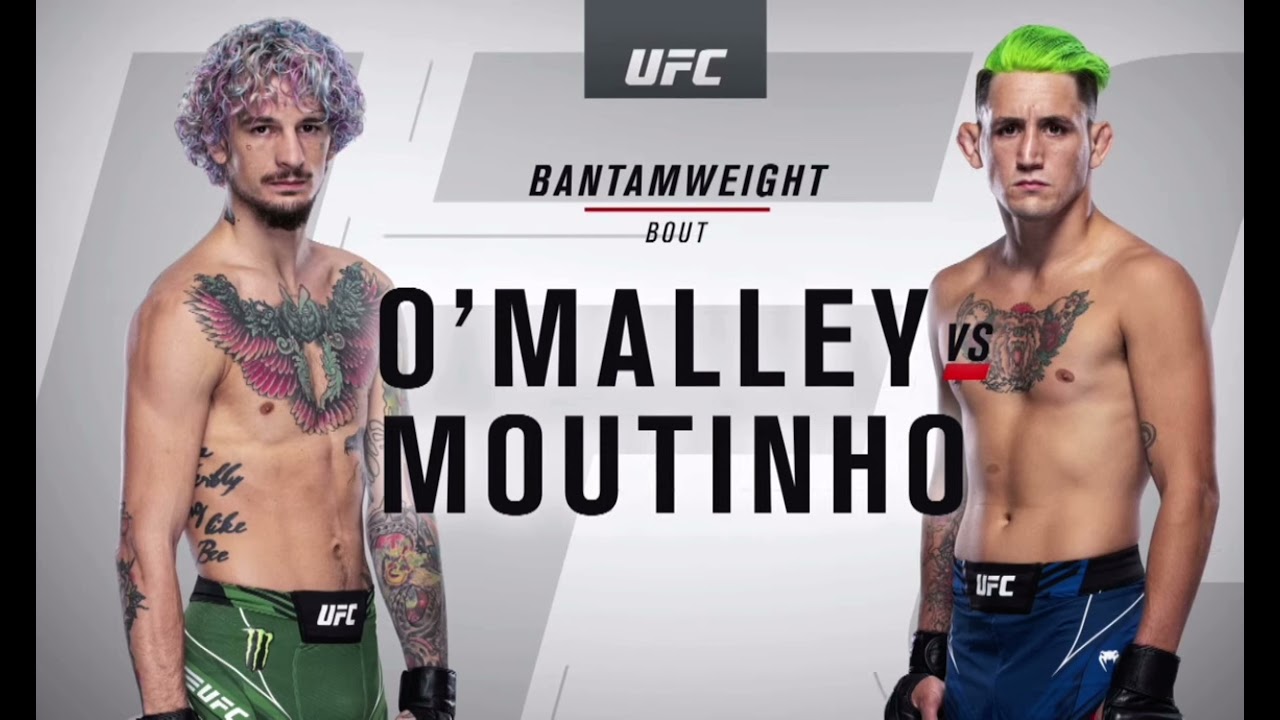
Enter Sean O’Malley, the former Bantamweight champion whose flair, social media presence, and distinct aesthetic have made him one of the sport`s most bankable stars. O’Malley, speaking on the Red Hawk Recap podcast, didn`t mince words regarding the promotion`s predicament. His analysis was less a hopeful plea and more a confident market assessment.
“The White House card has to be — it sounds like it’s happening, and it has to be f—ing massive. Who’s — Conor, we don’t know, Jon Jones, doesn’t sound like it’s going to be him, ain’t gonna be Ilia, ain’t gonna be Pereira… They’re running out of (options). They need me, they need the ‘Suga’ show.”
O’Malley’s pitch is a pragmatic demonstration of promotional calculus. He understands that his star wattage transcends his immediate divisional ranking, especially after a couple of recent setbacks. If he secures a decisive victory against Song Yadong at the upcoming UFC 324 event, he argues, he becomes the most viable, immediate solution to the star shortage—the necessary sacrifice of athletic integrity on the altar of commercial success.
The Bantamweight Conundrum: Meritocracy vs. Money
O’Malley’s self-nomination becomes particularly relevant when examining the contentious landscape of the Bantamweight division. The recently crowned champion, Petr Yan, shocked the world by defeating Merab Dvalishvili at UFC 323, beginning his second reign.
The standard, merit-based path dictates that Dvalishvili, who has established a historic winning streak, is the rightful claimant to an immediate rematch. However, as MMA commentator Daniel Cormier noted on his Good Guy/Bad Guy show, the UFC often operates on different logic.
Cormier believes that if O’Malley defeats Yadong, the promotion will face an undeniable business temptation to bypass Dvalishvili in favor of a Yan vs. O’Malley rematch. This fight features two established draws, compelling history, and a guaranteed surge in pay-per-view buys—a combination Merab, despite his superior resume, cannot currently offer.
“Merab should be fighting for the belt, no question. There will be a draw… if Sean O’Malley can get through Song Yadong. Sean O’Malley is the biggest star in the weight class, and there will be a draw to say, ‘Hey, why don’t we put O’Malley in there to fight Petr Yan because he’s not gonna get wrestled the whole time?’ But that would feel unfair.”
Cormier’s use of the word “unfair” perfectly captures the ethical conflict at the heart of the UFC’s operational model. The White House event, designed to be a grand celebration of the sport, may ultimately become the setting where the promotion makes its most unambiguous statement yet: in the modern UFC, necessity and drawing power trump traditional queuing.
Conclusion: The Stakes of UFC 324
The immediate future of the historic 2026 White House card now seems disproportionately linked to one man’s performance in the cage months prior. If Sean O’Malley delivers a spectacular win at UFC 324, he may not just be earning a new ranking; he will be providing Dana White with the viable, marketable main event required to save the spectacle. The “Suga” show might be exactly the sweet relief the UFC needs to fill a very important, very large hole in their historic lineup.
 Marcus Bellamy