

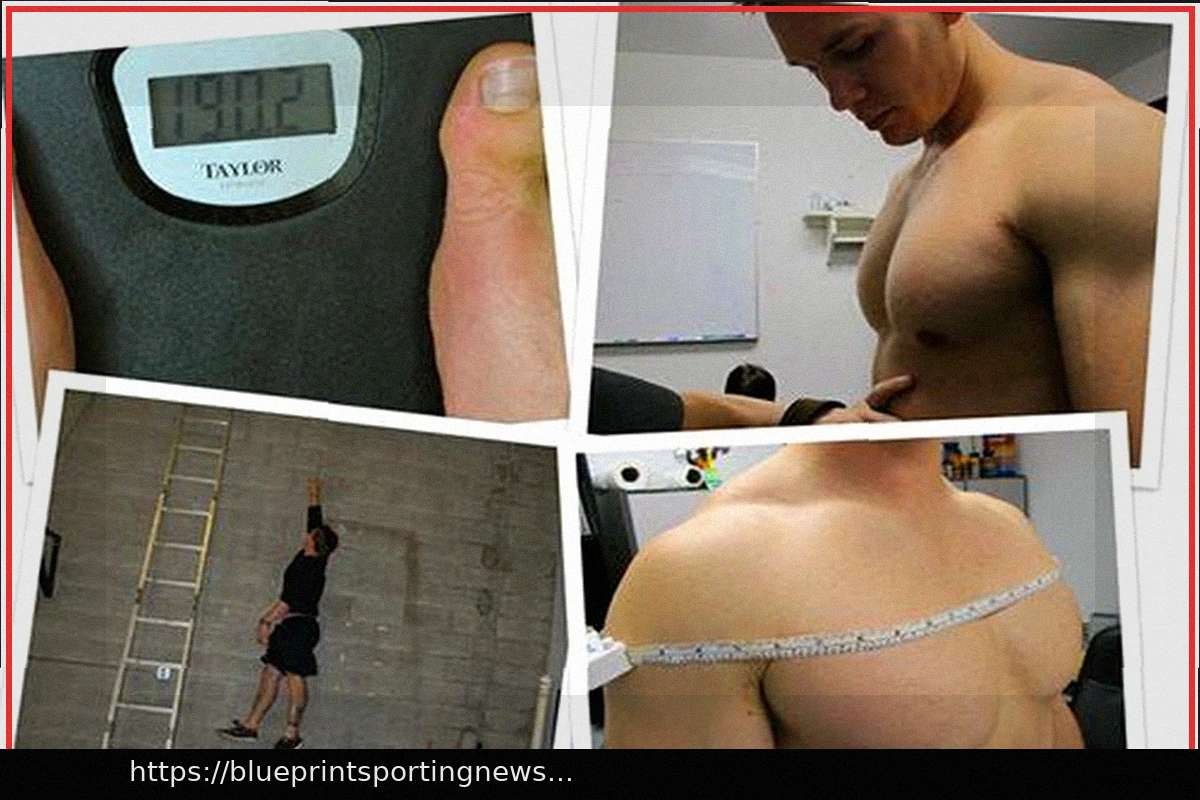
When athletes complete a weigh-in, they are often significantly dehydrated. The critical period between weighing in and competing is a short opportunity to replenish lost fluids, electrolytes (sodium), and carbohydrates. This replenishment is crucial for regaining the body mass shed during the weight cut. Many elite athletes (national, international, Olympic) have less than 24 hours to recover, and some have as little as 1 to 2 hours. While complete restoration isn’t possible in such limited timeframes, sufficient recovery to prevent performance-impairing dehydration is achievable.
Effective post-weigh-in strategies require precise fluid consumption, specific sodium levels, and carbohydrate loading tailored to the athlete’s pre-fight dietary restrictions. This guide details scientifically supported approaches for restoring body mass after successfully making weight.
The Recovery Target
The primary goal of post-weigh-in recovery plans is to restore a minimum of 10% of the athlete’s body mass before competition. For example, an athlete reducing from 70 kg to 66 kg would aim to recover approximately 6.6 kg via fluids and food. This objective is based on consistent research indicating that competing in a hypohydrated (under-hydrated) state significantly impairs performance.
According to the latest recommendations from the March 2025 ISSN position stand in the Journal of International Society of Sports Nutrition, the immediate post-weigh-in priority is the consumption of oral rehydration solutions (ORS) at a rate of 1 to 1.5 liters per hour, with sodium concentrations between 50 and 90 mmol/dL.
Sodium and Fluid Pairings That Actually Work
While the German Nutrition Society suggests consuming approximately 1.5 liters of fluid for every kilogram of weight lost, the sodium concentration within these fluids is even more critical than the total volume. As per the March 2025 ISSN position stand, the foundational recovery protocol involves consuming oral rehydration solutions containing 50-90 mmol/dL of sodium at a rate of 1 to 1.5 liters per hour.
Solely drinking plain water hinders effective recovery because it dilutes blood sodium levels, prematurely diminishing thirst before complete rehydration is achieved. Athletes, particularly in combat sports, frequently opt for electrolyte powders mixed into precise quantities of water, coconut water enhanced with salt, or commercially available oral rehydration solutions formulated for severe dehydration.
Why Water Alone Falls Short
Consuming only plain water following significant dehydration poses a critical issue. As water enters the bloodstream without essential electrolytes, blood sodium concentrations decrease. This physiological response leads to a suppression of thirst and an increase in urine production, causing the athlete to feel rehydrated despite still being functionally dehydrated.
The sodium present in oral rehydration solutions fulfills a dual role: firstly, it helps maintain the osmotic balance necessary for retaining water within cells and blood vessels; secondly, it sustains the sensation of thirst, encouraging athletes to continue drinking until true rehydration is accomplished. Athletes who depend solely on water frequently cease fluid intake prematurely, resulting in less body mass recovery compared to those who utilize electrolyte-rich solutions.
Carbohydrate Timing After the Scale
Fluid replenishment is the immediate priority during the initial hour post-weigh-in. Once oral rehydration has commenced, rapidly digestible carbohydrates can be introduced into the recovery plan, typically at a maximum rate of 60 grams per hour. This limitation is in place to prevent common gastrointestinal discomfort that can arise from higher intake rates during the crucial recovery period.
The total carbohydrate requirement is contingent on the severity of the athlete’s dietary restrictions in the week leading up to the fight. Athletes in combat sports who undertook aggressive glycogen depletion strategies might require 8 to 12 grams of carbohydrates per kilogram of body weight. Conversely, those who followed a more moderate carbohydrate restriction can recover effectively with 4 to 7 grams per kilogram. For instance, an 80 kg fighter who experienced severe depletion could consume between 640 and 960 grams of carbohydrates over the recovery period, distributed across several meals or snacks.
Foods That Work in Tight Windows
For rapid and efficient recovery within tight timeframes, foods such as white rice, bread, pasta, and low-fiber cereals are ideal as they deliver quick-digesting carbohydrates without the digestive burden of high fiber. Fiber can impede gastric emptying, potentially leading to bloating, cramping, or other discomforts if consumed excessively during a short recovery window.
Fruit juices offer a dual benefit, providing both fluids and carbohydrates. Bananas are another excellent choice, supplying potassium in addition to easily digestible starches. Some athletes also turn to specially formulated post-exercise recovery sports drinks, though it’s important to note that the sodium content in these varies considerably.
While protein is less critical than carbohydrates and fluids during this phase, small quantities of easily digestible protein, like that found in eggs or lean chicken, can be included with carbohydrate meals. However, protein consumption should never compromise the intake of essential carbohydrates or fluids within the constrained period between weigh-in and competition.
Practical Sequencing for Same-Day Weigh-Ins
For athletes facing a competition just 1 to 2 hours after weigh-in, meticulous time management is paramount. The sequence of intake is critical.
- Minutes 0 to 15 post-weigh-in: The sole focus is on consuming oral rehydration solutions. Athletes should sip steadily and avoid large gulps, as rapid intake can cause stomach upset and nausea.
- Minutes 15 to 45: Carbohydrates are introduced while fluid intake persists. Small servings of white rice or bread with honey can provide quick glucose. Athletes should continue to sip the electrolyte solution between bites.
- Minutes 45 to 90: This period is dedicated to digestion, with continued slow fluid intake. Athletes should remain somewhat upright to leverage gravity in aiding gastric emptying, rather than lying down completely.
- Final 30 minutes before competition: Focus shifts to lighter fluid sips and mental preparation. The athlete’s stomach should feel comfortable and not overly full.
Overnight Recovery Windows
Athletes benefiting from a 12 to 24-hour recovery period between weigh-in and competition enjoy greater flexibility, though the core principles remain consistent, simply extended over a longer timeline.
- First 2 hours: Emphasis is on aggressive oral rehydration, maintaining a rate of 1 to 1.5 liters per hour with sodium concentrations between 50 and 90 mmol/dL. Carbohydrate consumption should commence within the initial hour.
- Hours 2 through 6: Fluid and carbohydrate intake continue at a moderate pace. Meals can be more substantial and may include a moderate amount of fiber, as the extended digestion time allows for thorough processing.
- Hours 6 through 12: The focus shifts towards resuming normal eating habits while diligently maintaining hydration. Athletes frequently set alarms to wake periodically during the night for supplementary fluid intake.
- Morning of competition: A familiar pre-competition meal should be consumed 2 to 3 hours prior to the match. Fluid sipping should continue right up until the warm-up period begins.
Monitoring Recovery Progress
Monitoring recovery is crucial. Urine color offers a general guide to hydration status: pale yellow indicates sufficient hydration, while dark urine suggests ongoing dehydration. Body weight measurements taken before and after the rehydration process are the most accurate way to track actual fluid recovery.
Some athletes perform hourly weigh-ins during their recovery to confirm they are on track to meet the 10% body mass restoration goal; for example, a fighter who lost 4 kg should aim to regain at least 400 grams per hour during intensive recovery phases. It’s important to note that after severe dehydration, the sensation of thirst can become an unreliable indicator, especially if sodium intake is insufficient. Therefore, athletes adhering to proper protocols should prioritize scheduled fluid intake over relying on their thirst during the initial recovery period.
Common Mistakes
Several common errors can impede effective post-weigh-in recovery. The most frequent mistake is an excessive reliance on plain water. Another prevalent misstep is consuming high-fiber foods, such as whole grains, vegetables, and fruit skins, during short recovery periods. These can slow digestion and lead to gastrointestinal discomfort during competition.
Some athletes mistakenly believe that more food directly translates to greater recovered mass, leading them to overeat. However, the gastric distress caused by overeating is often more detrimental to performance than any marginal caloric gain. Adhering to measured intake based on established protocols yields superior results compared to aggressive eating.
Both caffeine and alcohol should be avoided during recovery as they increase urine production. Carbonated beverages can also cause bloating and discomfort. Athletes should stick to still fluids with appropriate sodium content.
Ultimately, the post-weigh-in period demands as much discipline as the weight cut itself. Consistent adherence to evidence-based protocols, rather than improvisation, is key to successful recovery.