

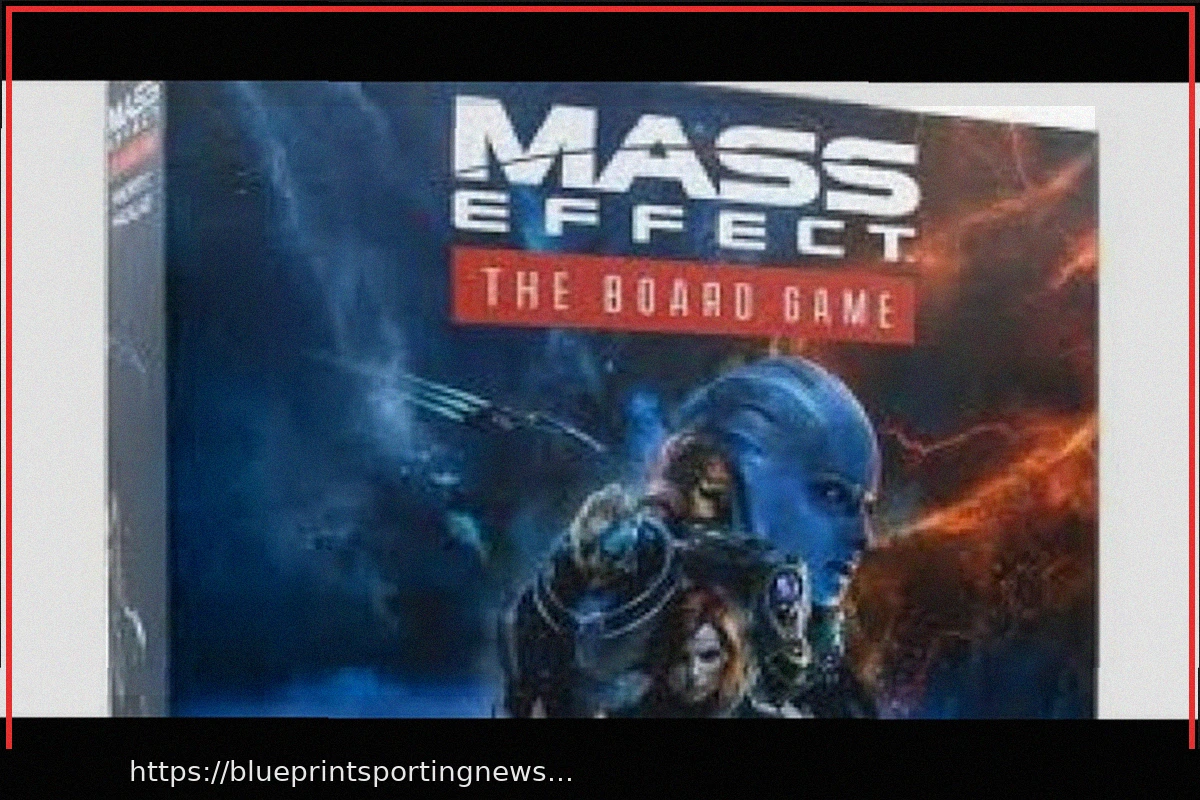
If there’s one core element that, in my opinion, defines what players seek in a new game, it’s connection. People connect with video games in myriad ways. Some crave intricate gameplay, others a profound narrative. Most value a blend of both, alongside accessibility—avoiding overly complex, tabletop-style mechanics or excessively vast open worlds. They desire companions who feel like genuine adventuring partners and a protagonist they can truly inhabit. Much of this essence is captured within the Mass Effect games.
Tapping into the heart of Mass Effect’s space opera RPG formula appears to be an opportunity developers have overlooked for quite some time. While I’m not an advocate for direct imitation of other franchises or merely following trends, it’s been nearly a decade since a Mass Effect game was released, and the last installment faced significant criticism at launch. This gap creates ample room for new IPs to introduce us to a motley crew of characters with whom we can embark on quests to save at least a corner of the galaxy.
Star Wars Zero Company, The Expanse: Osiris Reborn, and Exodus. These represent established IPs, a new one, and a spectrum of different game mechanics, ambitions, and budgets. Yet, one common thread unites them: all have drawn comparisons to Mass Effect, and their creators have embraced these parallels. Is the era of Soulslikes drawing to a close, making way for Mass Effect-likes? Probably not, but if even one of these titles can successfully evoke the nostalgia of exploring the Normandy, it will herald a promising future for the sci-fi RPG genre as a whole.
As I mentioned earlier, a game’s ability to forge a connection with its audience is paramount for success in today’s market. Younger players often connect through multiplayer experiences, bonding over CoD lobbies and Fortnite seasons. However, many “uncs” (presumably referring to older or more mature players) worldwide would rather unwind with a game they can enjoy at their own pace, balancing it with demanding work and family lives. This is precisely where a game offering a Mass Effect-like experience can truly shine. Cultivating a similar bond with companions, characters, and the game world, as BioWare’s classics once did, can leave an indelible mark, potentially leading audiences a decade or two from now to exclaim, “Hey, this game feels just like Exodus!”
I’m not certain if Mass Effect’s perfect storm can ever be fully replicated. It presented an original, expansive universe with deep lore and a truly unforgettable cast of supporting characters. That doesn’t sound overly challenging to achieve, and hopefully, it shouldn’t be, yet this is where we stand with modern game development, where AI companions might well become the norm within a few years. Fortunately, the three aforementioned games aren’t opting for that path (though Owlcat is using GenAI for The Expanse: Osiris Reborn). The emphasis on an original world might already disqualify Star Wars: Zero Company and The Expanse: Osiris Reborn from being true Mass Effect-likes. However, the former seems to be developing a contained segment of a larger universe and story, much like Warhammer 40,000: Rogue Trader did, and the latter draws from an established universe with extensive source material that can still be introduced to a broad, new audience. What truly drives people to compare a game to Mass Effect, in my opinion, more so than its original universe, are the game’s companions and the systems built around them.
Connections, if I need to reiterate, are a vital element in making any game, especially an RPG, memorable. And with whom can these bonds be best forged if not with companions? Baldur’s Gate III demonstrated this vividly, just as Mass Effect did before it. Mass Effect 2’s suicide mission (the best mission in any game, by the way) falls flat without a team you genuinely don’t want to lose, even if you know you might lose them all. If Star Wars Zero Company, The Expanse: Osiris Reborn, and Exodus need to focus on one thing, it’s this. Repetitive gameplay or a somewhat stale main plot can all be forgiven if you have a truly great character by your side. I recall more lines from Garrus, Tali, Liara, and even Miranda than from Commander Shepard himself in the Mass Effect series, and that’s precisely where these upcoming games need to succeed to genuinely warrant Mass Effect comparisons.
This extends to character design as much as their personalities. I can’t say I was thrilled to see Exodus reveal its companions, at least three of whom wore identical diving suit “armor” and had rather blank expressions. I can tolerate one Jacob or one James, but please, don’t make an entire roster of them. Fortunately, there’s a friendly octopus ready to assist you in combat, so at least there’s a glimmer of unique flavor to be found. This might make me sound like one of those “anti-woke” online voices demanding all female characters resemble Stellar Blade’s protagonist, but I’d also argue there’s nothing wrong with making companions physically appealing, as that often complements their engaging personalities. Just avoid a “Concorde” aesthetic (referring to a bland, utilitarian design), and all will be well. Owlcat seems to grasp this, much like Larian did with Baldur’s Gate III. Make everyone look appealing, and you’re golden. Except for the Octopus; I’m perfectly fine not being able to romance that one, thank you, Archetype.
I won’t belabor the point about companion design, but when players seek connection and escapism these characters can offer, it’s sometimes beneficial for them to be able to delve deeper through elements like romance. Avowed, for instance, didn’t quite hit the mark by making everyone just your friend with no option for anything more. While not strictly essential, people undeniably enjoy romancing aliens, and Mass Effect, once again, serves as a prime example. Star Wars Zero Company probably won’t foster such romantic bonds, but with its permadeath system, I’m far more excited about growing attached to my pseudo-squadmates and mourning them for weeks after a mission goes awry.
While Soulslikes carved out a niche within an already robust genre, dominated by a developer consistently delivering classics, Mass Effect-likes arrive at a time when we desperately crave a fresh space adventure. Marvel’s Guardians of the Galaxy came close, as did Baldur’s Gate III, in creating similarly addictive worlds and characters, but for one reason or another, they didn’t quite scratch that specific Mass Effect itch. Let’s hope at least one of these upcoming titles succeeds, if only to demonstrate to publishers that, yes, we do indeed enjoy RPGs that allow us to forge meaningful bonds with three-dimensional, compelling characters.