

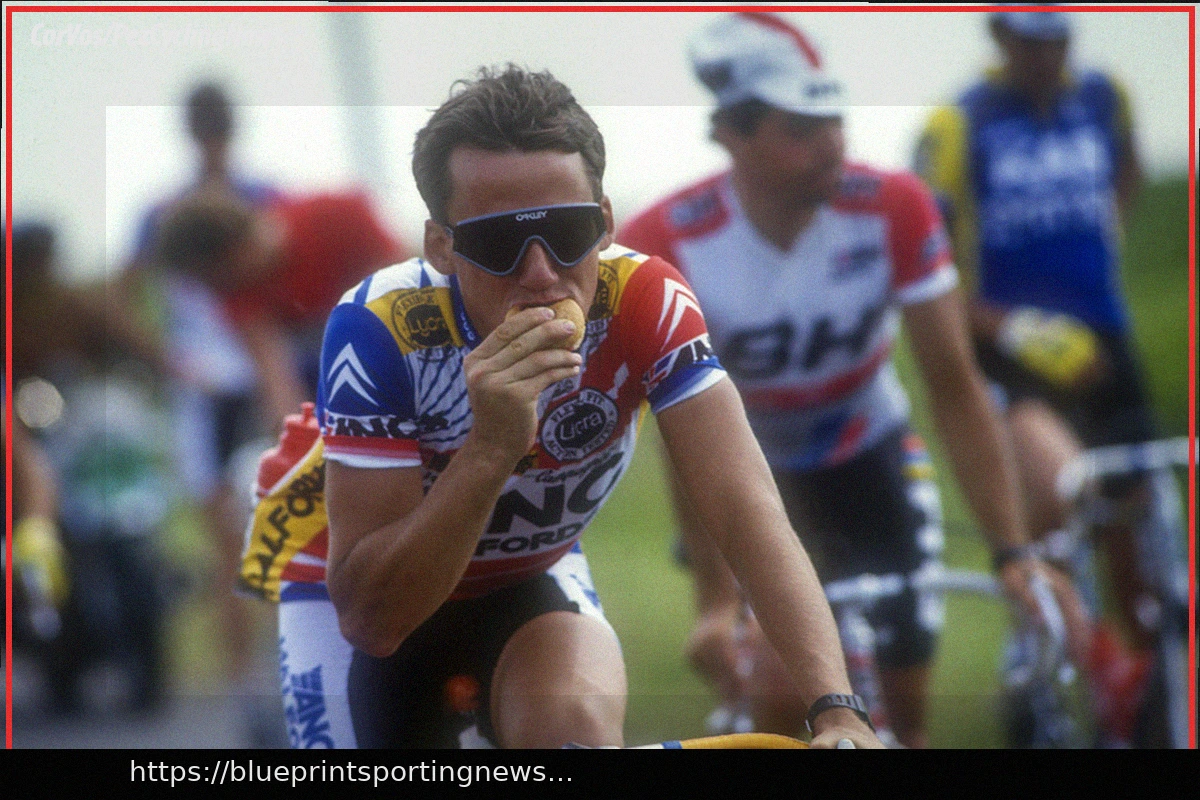

Every cyclist eventually experiences “the bonk”—that sudden, profound loss of energy that leaves legs feeling empty and a ride in disarray. For the author, this harsh lesson came during a fast group ride in 2016, revealing that physical fitness alone is insufficient without adequate fueling. This article explores the scientific underpinnings of bonking, from traditional views on glycogen depletion to emerging research on blood glucose regulation, and most importantly, provides actionable strategies for optimizing your ride nutrition today.
That particular ride from summer 2016 remains vivid in memory. As a relatively new club rider, the author initially stuck to safer, no-drop groups, gradually learning the ropes. However, a growing curiosity led them to join the “fast” group. For the initial two hours, the experience was exhilarating; the author kept pace, contributed to pulls, and felt a strong sense of accomplishment. Then, abruptly, just past the two-hour mark and about 30 minutes from the destination, a complete collapse occurred—no food had been consumed throughout the ride. The author distinctly recalls watching the group pull away over the next hill, legs completely drained, leading to a long, solitary journey back. This incident served as a crucial introduction to the vital role of carbohydrates in sustaining endurance performance, a topic further elaborated here.

The True Cause of Bonking
For many years, the phenomenon of “bonking” or “hitting the wall” was simply explained by glycogen depletion: exhaust your stored carbohydrates, and performance inevitably plummets. However, recent research is beginning to challenge this straightforward notion. A 2026 review by Noakes posits that exercise-induced hypoglycaemia—a significant drop in blood glucose levels—might be the primary catalyst for fatigue during prolonged physical activity, rather than the complete absence of muscle glycogen. From this perspective, the brain plays a central role, actively reducing power output as blood glucose falls to protect bodily functions.
If this theory proves accurate, it carries significant practical implications: even moderate carbohydrate intake during exercise could be enough to maintain stable blood glucose, delay the onset of fatigue, and ultimately enhance performance. Nevertheless, this area remains a subject of ongoing research and debate. The broader scientific consensus still supports higher carbohydrate consumption, particularly for athletes aiming to maximize their performance, not just prevent total collapse. Therefore, while the precise mechanism may be under discussion, the overarching principle remains constant: effective fueling is paramount!
The Limited Carbohydrate “Fuel Tank”
In endurance sports, performance is frequently limited not solely by an athlete’s fitness level, but by the availability of carbohydrates. Even in highly conditioned individuals, glycogen storage capacity is surprisingly restricted. Muscle glycogen stores typically peak at around 400 grams, with the liver contributing an additional 100 grams. Cumulatively, this represents a mere 4% of an athlete’s total energy reserves (Li et al., 2025). This “tank” is remarkably small!
Yet, these limited carbohydrates are the essential fuel for your most demanding efforts. When exercise intensity increases—during vigorous intervals, challenging climbs, or competitive breakaways—carbohydrates are the primary energy source. While fat can sustain lower-intensity riding for extended periods, even for the leanest cyclists, it simply cannot deliver energy at the rapid rate required when intensity rises. This explains why an athlete might feel strong and comfortable early in a ride, only to experience a sudden and complete drop in performance later on. Such a collapse is often due to a lack of available carbohydrates, rather than a fundamental deficiency in fitness.
Fueling Strategies Based on Ride Duration
If carbohydrates are indeed the limiting fuel, the next critical question is: how much do we actually need? A widely adopted framework, proposed by Jeukendrup (2014), categorizes fueling recommendations into three practical zones based on the duration of exercise:
- Under 60 minutes: For short, high-intensity efforts, carbohydrate intake serves more as a signal to the brain than a direct fuel for muscles. Even a simple carbohydrate mouth rinse can improve performance by lowering perceived exertion.
- 60-150 minutes: In this moderate duration range, carbohydrate intake becomes more critical. An intake of approximately 40-60 grams of carbohydrate per hour is generally sufficient, and a single carbohydrate source (such as glucose or maltodextrin) is usually effective.
- Beyond 2-2.5 hours: For extended rides, fueling is absolutely essential. Recommendations increase to 60-90 grams per hour, particularly when maximizing performance is the objective.

This guide’s simplicity is one of its strengths, offering a practical approach that directly links your fueling strategy to the specific demands of your ride. The longer and more intense your cycling activity, the more crucial a well-planned carbohydrate intake becomes.
The Power of Glucose-Fructose Combinations
If you’ve previously attempted to increase carbohydrate intake during your rides only to experience stomach discomfort, you likely encountered a physiological bottleneck. Unlike water, which is readily absorbed into the bloodstream, carbohydrates require assistance, relying on specific transport proteins to move from your gut into circulation:
- Glucose is absorbed via the SGLT1 transporter.
- Fructose utilizes a distinct pathway, the GLUT5 transporter.
Each of these transporters has its own maximum absorption capacity. When relying solely on glucose, absorption typically plateaus around 60 grams per hour, which was historically considered the upper limit for carbohydrate intake. Exceeding this amount was thought to result in unabsorbed carbohydrates accumulating in the gut, leading to gastrointestinal distress. However, by combining glucose and fructose, you effectively engage two parallel absorption pathways.
This dual-pathway utilization explains why many contemporary fueling strategies—and most modern sports nutrition products—incorporate a glucose-to-fructose blend (often in a 2:1 ratio). This approach enables athletes to increase their total carbohydrate intake significantly, often exceeding 100 grams per hour, without experiencing GI issues (Jeukendrup, 2014). This is not merely a passing sports nutrition trend but a direct reflection of human physiology, a topic that will be explored further in a subsequent article.
Fueling as a Core Training Component
The author now views that challenging ride in 2016 not as a fitness failure, but rather as a profound lesson in fueling. While the fitness was sufficient to keep pace for a time, the sustained energy simply wasn’t there. It was a ride on an undersized fuel tank with no strategy for replenishment. This season, carbohydrate intake has been consciously integrated as an essential part of the training regimen itself. For a considerable period, the default was to embark on morning rides in a fasted state, often with just a double espresso, believing it was simple and even beneficial for fat-burning. However, with a renewed focus on optimizing all facets of training, particularly for the demands of Zwift racing, this approach has evolved.
Now, carbohydrate intake is far more deliberate, even on endurance rides. This includes meticulous planning of snacks and hydration bottles the night before, replacing the previous habit of hastily grabbing whatever was available minutes before heading out. While these personal observations are not a controlled experiment, the early benefits have been undeniable. On endurance rides, improved in-ride nutrition appears to mitigate heart rate drift. On a daily basis, post-ride fatigue has noticeably decreased. Furthermore, overall nutrition has improved; instead of concluding a long, fasted session feeling ravenous and resorting to the nearest food, the author now finishes rides with a more balanced appetite, allowing for a focused and proper recovery meal.
This represents a subtle yet transformative shift in how training and recovery are approached. Fueling extends beyond merely avoiding “the bonk”; it is about ensuring consistent energy supply to effectively execute the work. The next article will build upon this foundation, delving into the practicalities of increasing carbohydrate intake during rides, including the strategic use of dual-source carbohydrates and methods for training the gut. Stay safe, ride strong, and look forward to the next installment!
References
- Li, X., et al. (2025). A Review of Carbohydrate Supplementation Approaches and Strategies for Optimizing Performance in Elite Long-Distance Endurance. Nutrients, 17(5), 918. https://doi.org/10.3390/nu17050918
- Jeukendrup, A. E. (2014). A Step Towards Personalized Sports Nutrition: Carbohydrate Intake During Exercise. Sports Medicine, 44(S1), S25–S33. https://pmc.ncbi.nlm.nih.gov/articles/PMC4008807/
- Noakes, T. D. (2026). Carbohydrate Ingestion on Exercise Metabolism and Physical Performance. Endocrine Reviews. https://doi.org/10.1210/endrev/bnaf038