

How Fighters Manage Stress Before a Big Fight
When we watch professional combat athletes step into a ring or a cage, they look almost superhuman. They walk out surrounded by flashing lights, loud music, and thousands of screaming fans, yet their faces often look completely frozen in deep concentration. It is easy to assume that these elite athletes simply do not feel the same fear and anxiety that normal people experience.
However, sports psychology shows that a fighter’s biggest battle happens inside their own mind hours before the physical match ever begins. The human brain naturally views a physical fight as a major threat to survival, which automatically triggers the body’s primitive fight-or-flight alarm system. This survival mechanism floods the bloodstream with adrenaline, causes the heart to race, and creates a wave of intense stress. The secret of elite fighters is not that they are completely fearless. Instead, they understand that fear is a normal human response, and they use specific psychological tools to transform paralyzing panic into sharp, productive focus.
Controlling the Mind: Mental Prep
Long before a fighter physically touches their opponent, they must gain complete control over their internal thoughts. One of the most effective ways they do this is through a psychological technique called visualization. For weeks leading up to the main event, a fighter will sit in a quiet room and mentally play out the entire match over and over in their head. They imagine walking out to the arena, feeling the canvas under their feet, throwing perfect combinations, and even dealing with difficult moments like getting caught with a hard punch.
By mentally rehearsing every possible scenario, nothing feels like a shocking surprise when the real bell rings. Additionally, fighters train themselves to ignore external distractions like a hostile crowd or an opponent’s cruel trash talk. They place their focus entirely on the things they can actively control, such as their breathing, their guard, and their strategy.
For individuals looking to manage chaotic minds or build a daily routine, finding a structured liven nervous system can help organize scattered thoughts and improve focus, and fighters use a very similar mental framework to lock in their attention. They also practice positive self-talk, repeating short phrases to stop negative worries and remind their brains of all the hard work they put into training camp.
Controlling the Body: Calming the Nervous System
Because the mind and the body are deeply connected, a fighter must also use physical strategies to calm down their overactive nervous system. When pre-fight anxiety peaks in the locker room, athletes rely heavily on slow, deep breathing exercises. Taking deep breaths from the belly acts as a biological switch that instantly lowers the heart rate and signals to the brain that they are safe, stopping the adrenaline rush from getting completely out of control.
Fighters also learn to channel their nervous energy into light, rhythmic physical movements. Instead of sitting completely still on a bench and letting tension build up in their muscles, they will pace around the room, shadowbox, or jump rope to burn off the excess adrenaline. Keeping a strict, familiar pre-fight routine is another essential way to anchor the mind.
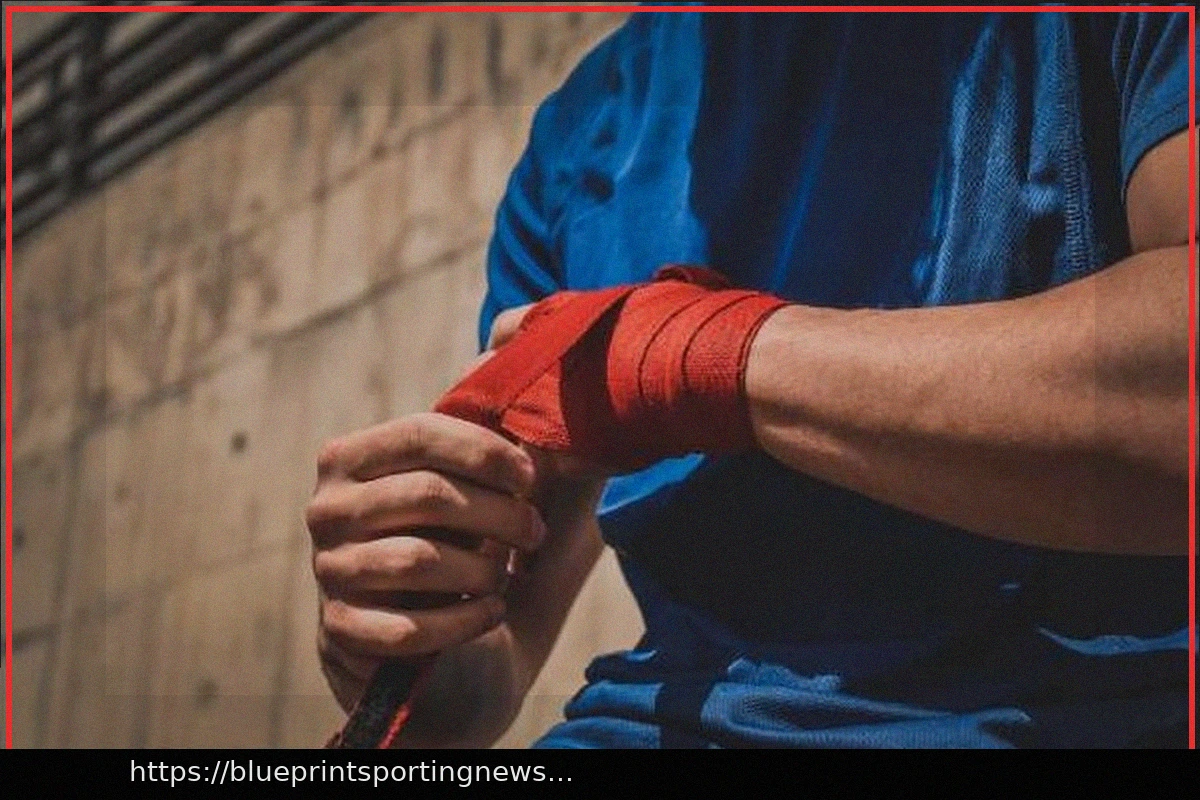
Reading through recent liven app reviews shows that many everyday people love using structured tracking tools to find emotional balance in their chaotic schedules, and fighters achieve a similar sense of comfort by doing the exact same physical rituals before every single appearance. Eating the same meal, wrapping their hands at the exact same time, and listening to the same playlist creates a familiar environment that tells the mind it is just another normal day at work.

The Support System: Trusting the Corner
An often overlooked aspect of a fighter’s stress management is the small group of people standing right beside them in the locker room. During the high-pressure hours leading up to a bout, a fighter’s coaches and training partners act as a protective shield against the outside world. They take care of all the stressful logistics, deal with the media, and handle the official event staff so the athlete does not have to expend any precious mental energy on small details. This dynamic requires an immense level of absolute trust. In the final hours before stepping under the bright lights, the fighter completely hands over the burden of overthinking to their head coach.
By trusting their corner to read the situation and make the right tactical adjustments, the athlete can completely quiet their inner critic, stop worrying about the final outcome, and focus purely on executing immediate physical instructions.
Summing Up
The powerful stress-management tools used by elite combat athletes are not just meant for the cage or the ring. What sports psychologists observe is a clear transfer effect, meaning these mental habits can help everyday people handle high-pressure moments in their ordinary lives.
Whether you are stepping into a major job interview, preparing to deliver a public speech, or getting ready to have a difficult conversation with a family member, your body experiences the exact same fight-or-flight response that a professional athlete experiences before a championship match. By learning to accept your natural anxiety, focusing only on the things you can control, and using deep breathing to calm your physical body, you can walk into any personal arena with real confidence.
True courage is never the total absence of fear; it is the ability to look directly at your stress, maintain a calm center, and boldly step forward anyway.
The post Fighting Fear: Simple Mental Tricks Pro Athletes Use to Manage Stress first appeared on My MMA News.