

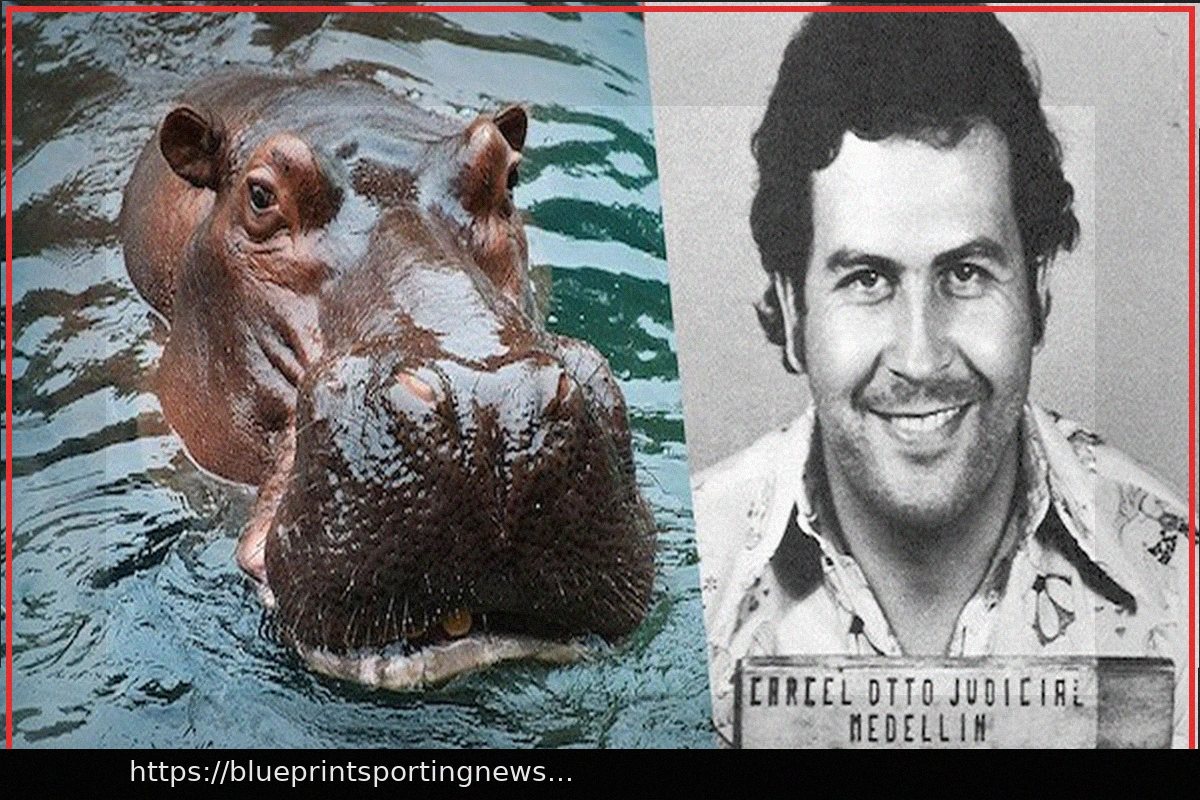
Колумбия готовится запустить новую программу по контролю стремительно растущей популяции инвазивных бегемотов, которая будет включать усыпление около 80 животных. Об этом объявила министр окружающей среды Ирен Велес.
В настоящее время в Колумбии насчитывается около 200 бегемотов в районе реки Магдалена. Эти животные являются потомками особей, незаконно ввезенных в 1980-х годах наркобароном Пабло Эскобаром. Власти предупреждают, что без вмешательства к 2035 году популяция может вырасти до 1000 особей, представляя угрозу для местных экосистем, включая речных черепах и ламантинов.
План предусматривает комплекс мер, сочетающий усыпление, переселение и содержание животных. Однако международная поддержка для перемещения бегемотов в зарубежные заповедники или зоопарки пока ограничена. Ведутся переговоры с рядом стран, но ни одно соглашение пока не достигнуто.
Правительство подчеркивает, что контроль популяции необходим для сохранения биоразнообразия и снижения ущерба окружающей среде, включая загрязнение воды, связанное с увеличением численности стада.
Эта проблема стала одним из самых необычных вызовов в области охраны природы в мире, коренящимся в наследии Эскобара и борьбе Колумбии за управление разросшейся популяцией неместных диких бегемотов.
English Translation:
Colombia to Euthanize Dozens of Pablo Escobar’s “Cocaine Hippos” to Control Population
Colombia will begin a new program in the second half of 2026 to control its rapidly growing invasive hippo population, which will include the euthanasia of approximately 80 animals, Environment Minister Irene Vélez announced Monday.
The country is currently home to around 200 hippos in the Magdalena River region, descendants of animals illegally imported in the 1980s by drug lord Pablo Escobar. Without intervention, authorities warn that the population could climb to 1,000 individuals by 2035, threatening native ecosystems such as river turtles and manatees.
Officials stated the plan combines euthanasia, relocation, and containment measures, with limited international support so far for transferring the animals to overseas sanctuaries or zoos. Talks have been held with several countries, but no agreements have been finalized.
The government asserts that population control is necessary to protect biodiversity and reduce environmental damage, including water pollution linked to the herd’s expansion.
This issue has become one of the world’s most unusual conservation challenges, rooted in Escobar’s legacy and Colombia’s struggle to manage an established population of non-native wild hippos.