

Peter Molyneux, a figure often discussed and debated, may not possess the rockstar persona of Hideo Kojima or Hideki Kamiya, nor the near-universal reverence afforded to Miyamoto or Todd Howard. However, he undoubtedly deserves a place among the most influential game creators. Whether labeled a hack or a visionary, Molyneux has been a consistent topic of conversation for decades. His games are characterized by grand promises and wildly unique ideas, making it hard not to appreciate the ambition, even when the final product falls short. Molyneux’s approach to game development reminds me of the British retailer Argos; they once asked if we wanted a completely novel way to shop, and while most of us probably said no, we appreciated the effort. Molyneux frequently poses the question: ‘Would you like a game where you can do everything?’ Skeptics shake their heads, knowing it’s likely impossible, yet a few always dare to dream.
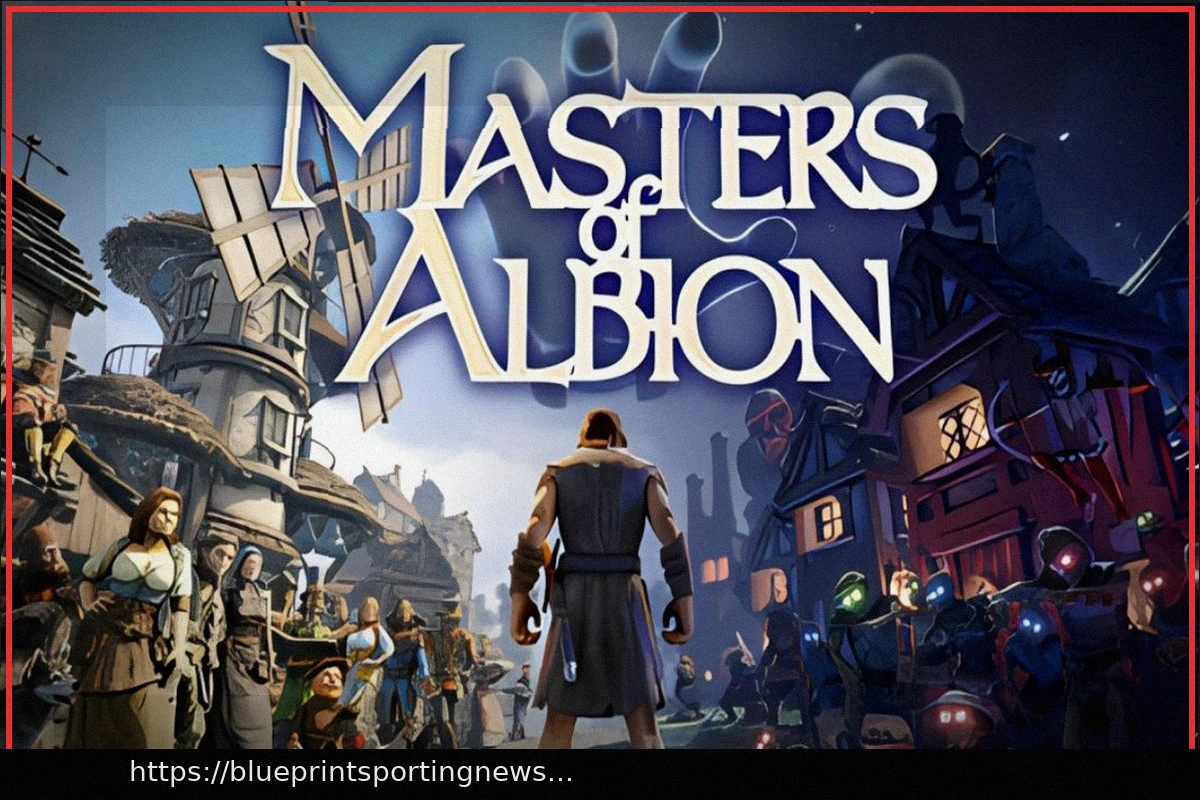
Masters of Albion, Molyneux’s latest offering, largely adheres to this philosophy. It’s a god game, but with a significant expansion: it incorporates deep city management, allows you to possess anyone and anything to explore the world at ground level, enables the creation of disgustingly or deliciously tempting pies and sandwiches, and lets you hurl objects or shoot lights from your fingertips. In short, there’s a lot to do. Masters of Albion appears to have taken inspiration from Crimson Desert’s gameplay but with a fraction of the budget. It feels as though every new idea was met with a resounding ‘yes, why not?’ It’s a risky approach, but in today’s landscape, playing a little dangerously feels worthwhile.
This eclectic mix of mechanics makes Masters of Albion somewhat bewildering. Simultaneously, the sheer oddity of preparing your own rat pie or briefly inhabiting the form of a chicken injects a sense of playing a game that only Molyneux and his veteran 22cans team could conceive. Masters of Albion’s sense of humor will resonate with players of Molyneux’s earlier works, and Fable fans will be delighted by the return of chicken kicking, anticipating Xbox’s comeback to Albion later this year.
Upon embarking on your journey in Masters of Albion, many of the more outlandish and peculiar features are initially inaccessible. The starting settlement size might raise an eyebrow, as it begins as a humble hamlet. However, zooming out reveals a vast world ripe for exploration and eventual dominion by your colossal hand. A significant portion of Masters of Albion’s exploration and progression is tied to its narrative. This deceptively intriguing story managed to draw me in. Typically, this genre doesn’t prioritize storytelling so heavily; while it often takes a backseat to city management, the world possesses a character that transcends its simplistic fantasy design, compelling you to return day after day for reasons beyond mere city optimization.
Developing and establishing your settlements can be a time-consuming endeavor. Masters of Albion heavily relies on acquiring currency, which is earned by fulfilling orders from the expedition. An order might consist of, for instance, 20 pies or 15 sandwiches. The more ingredients used, the more complex the recipe and the greater the resource requirement. Other factors come into play later, particularly when interacting with higher-ranking societal members, but even early on, accumulating enough money for necessary upgrades and buildings can take considerable time. While it’s amusing to add an absurd number of bedrooms to a house or ensure someone’s window overlooks a ballista, the resulting silliness loses some of its charm when you must wait extended periods to boost your income. There is a way to expedite tasks between your farms, mills, mines, and factories by clicking on a building and watching resources accumulate rapidly. However, this only works for one building at a time, and you cannot speed up everything for quick revenue. Masters of Albion adopts an old-school approach, eschewing instant gratification for its players, but this ultimately works to its detriment by withholding the more enjoyable elements. Perhaps a sandbox mode would be beneficial, allowing players to truly embrace the god-like fantasy and have unadulterated fun.
As I pointed my magical finger at a farm to accelerate wheat harvesting, I quickly realized the clunkiness of some manual controls in Masters of Albion. It’s easy to accidentally pick up a person when you intend to fast-forward time on a building, and collecting resources from the ground or objects to throw at enemies can be a real nuisance. One particular puzzle, requiring me to swap rhythmic stones to form a perfect pattern, proved incredibly frustrating, primarily because the stones had to be thrown across the map to be moved, preventing them from snapping into place. This might encourage spending more time possessing heroes, creatures, and workers, but upon closer inspection, Masters of Albion shows its age in places, appearing as though it was released a decade or even twenty years ago. The overall presentation is rather crude, despite its considerable charm.
22cans operates without a massive budget, making some flaws forgivable. However, the UI remains quite basic, there are occasional stutters, and the animation is so simplistic that it often feels like playing a tech demo rather than a full release. One could argue that another year in development might have elevated the game’s visual appeal and polish, but by then, it’s likely fifteen superfluous mechanics would have been added without reason, rather than the developers refining what’s already present.
When Masters of Albion stumbles, it falls flat. Yet, when it succeeds, it reminds you precisely why Molyneux remains in the industry after all this time. It possesses a quality that allows players to overlook its most glaring flaws, a sense of humor that evokes the initial experience of playing Fable, and a unique, ambitious take on a genre that is not frequently seen these days (aside from the recently released god game, Sintopia). Masters of Albion is not a triumph. It won’t eclipse Fable or become Molyneux’s defining legacy title, but it certainly leaves an impression. For me, this is more of a positive than a negative, as I fondly recall the moments I flipped off any workers who displeased me.
English Translation and Rephrased Text
Peter Molyneux, a figure consistently under scrutiny and debate, might not command the rockstar aura of Hideo Kojima or Hideki Kamiya, nor the near-universal admiration bestowed upon figures like Miyamoto and Todd Howard. Nevertheless, I firmly believe he merits a place on the podium among the most influential game creators. Whether perceived as a trickster or a visionary, Molyneux has been a focal point of discussion for decades. His games are heralded for their immense promises and delightfully outlandish ideas, making it difficult not to admire the sheer ambition, even when the final outcome doesn’t quite meet expectations. Molyneux’s method of game creation bears a curious resemblance to the British retailer Argos. They once proposed a radically new and unique way to shop, and while the majority of the public likely declined, the effort itself was appreciated. Molyneux frequently poses the question: ‘Would you like a game where you can do absolutely anything?’ Among us, the skeptics shake their heads, aware of the probable impossibility, yet a few always dare to indulge in dreams.
Masters of Albion, the purported latest game from Molyneux, largely embodies this distinctive style. It is a god game, but it transcends the typical definition by incorporating more profound city management. It empowers you to inhabit any person or object to explore the world from ground level, allows you to craft the most repulsive or delectable pies and sandwiches within your world, and enables you to manipulate objects telekinetically or project light from your fingertips. To put it simply, the game is brimming with features. Masters of Albion seems to have adopted an approach similar to Crimson Desert in terms of gameplay, albeit with a considerably smaller budget. The atmosphere is one of collective enthusiasm, where every new idea was likely met with a unanimous ‘why not?’ This is a risky venture, but in the current gaming climate, it feels like a worthwhile gamble.
This eclectic fusion of gameplay mechanics renders Masters of Albion somewhat perplexing. Concurrently, the infusion of sheer eccentricity, whether from preparing your own rat pie or briefly embodying a chicken, instills a feeling that you are playing a game conceived only by Molyneux and his veteran team at 22cans. The brand of humor found in Masters of Albion will also feel familiar to players of Molyneux’s previous titles, and fans of Fable will rejoice at the return of chicken kicking, preceding Xbox’s revival of the series in Albion later this year.
As you commence your adventure in Masters of Albion, most of the truly outlandish and peculiar elements are initially out of reach. The scale of the colony assigned to you might initially cause you to raise an eyebrow, as it begins as a modest hamlet at best. However, upon zooming out, you will discover a vast world waiting to be explored and, eventually, controlled by your immense divine hand. A significant portion of the exploration and progression within Masters of Albion is intertwined with the game’s narrative, a deceptively engaging story that successfully drew me in. Generally, this genre rarely places such central importance on storytelling. While it often recedes into the background to allow for standard city management, the world possesses a depth of character that extends beyond its simple fantasy aesthetic, motivating you to engage day after day for reasons beyond mere city optimization.
The process of upgrading and developing your settlements can indeed be quite time-consuming. Masters of Albion relies heavily on resource acquisition, primarily through completing expedition orders. An order might, for instance, request 20 pies or 15 sandwiches. The more ingredients incorporated, the more intricate the recipe and the greater the demand for resources. Other factors emerge later, particularly upon encountering higher-ranking members of society. However, even at the outset, accumulating sufficient currency to purchase upgrades and construct necessary buildings can require a substantial investment of time. While it’s amusing to add an extravagant number of bedrooms to a single dwelling or to orient a window towards a ballista, the resulting whimsy loses some of its appeal when you must endure lengthy waits to boost your income. There is a method to expedite the workflow between your farms, mills, mines, and factories. By clicking on a building, you can observe resources accumulating at an accelerated rate. However, this functionality is limited to a single building at a time, and you cannot accelerate all operations simultaneously to rapidly generate revenue. Masters of Albion adopts an old-school philosophy, deliberately avoiding immediate rewards for its players, which unfortunately hinders the enjoyment of its more engaging aspects. Perhaps the inclusion of a sandbox mode would be beneficial, allowing players to indulge in the sheer fun and truly embody the divine role within their god game.
As I pressed my magical digit onto a farm to hasten wheat harvesting, I quickly recognized the awkwardness of certain manual interactions in Masters of Albion. It’s easy to inadvertently pick up a person when your intention is to speed up time for a building, and gathering resources from the ground or objects for projectile use against enemies can be a considerable hassle. A particular puzzle that required me to manipulate rhythmic stones to form a precise pattern proved exceptionally frustrating, mainly because the stones had to be thrown across the map to be moved, preventing them from settling in the desired location. This might tempt you to spend more time inhabiting heroes, creatures, and laborers. However, when viewed closely, Masters of Albion exhibits visual qualities that suggest a release from ten, or even twenty, years ago in certain aspects. The game’s overall aesthetic is rather unrefined, despite its considerable charm.
22cans operates with a constrained budget, which makes some imperfections understandable. However, the user interface remains notably rudimentary, occasional performance hiccups occur, and the animation is so basic that it frequently feels more like a technical demonstration than a finished product. It could be argued that an additional year of development might have rendered this game as visually appealing and polished as it aspires to be. Yet, I suspect that by then, an unnecessary fifteen additional mechanics would have been introduced, rather than the developers focusing on refining the existing ones.
When Masters of Albion falters, it does so unequivocally. Conversely, when it succeeds, it serves as a potent reminder of why Molyneux continues to thrive in the industry after such an extended period. It possesses an intrinsic quality that allows players to overlook its most egregious flaws, a wit that evokes the nostalgic feeling of playing Fable for the first time, and a distinctive, ambitious take on a genre that is regrettably uncommon in contemporary gaming (besides the recently released god game, Sintopia). Masters of Albion is not a resounding triumph. It will not usurp Fable’s position, nor will it become Molyneux’s next defining legacy title. Nevertheless, it undeniably leaves a memorable impression. For me, this is a positive outcome, as I fondly recall the moments I defiantly extended my middle finger to any workers who failed to meet my expectations.
SEO Title and Description