MMA Fighter Rehydration: A Safe Post-Weigh-In Guide
The weigh-in is a critical regulatory step, but the real challenge for an MMA fighter begins afterwards: restoring the body's lost fluids and strength. With weigh-ins typically occurring 24 to 36 hours before a fight, there's a limited window to recover from weight cutting. A well-executed rehydration plan ensures a fighter enters the cage at optimal weight and strength, while a poor one can lead to a significant deficit. The key lies in understanding the body's rate of fluid absorption.
The Hours After Weigh-In: Replenishing Lost Fluids
A significant weight cut, potentially 8% of body mass, can lead to the loss of 5 to 6 kilograms of water. Simply drinking until thirst subsides is insufficient. Effective rehydration targets approximately 1.25 to 1.5 liters of fluid for every kilogram lost, acknowledging that a portion will be lost as urine before cells can absorb it. For a 5-kilogram weight cut, this means aiming for 7 liters or more of fluid intake during the recovery period. Underestimating this requirement can result in a fighter entering the cage several pounds lighter than their trained weight.
The body has a natural rehydration timeline, with full muscle and blood volume restoration often taking 24 to 48 hours – longer than the typical recovery window. The realistic objective is to regain at least 10% of lost body mass and restore blood volume before the fight walkout, accepting that deep cellular hydration may still be incomplete. A plan that acknowledges these physiological limits is far more effective than one based solely on fight morning weight.
Optimal Fluid Intake: Volume and Speed
Volume is only one aspect of rehydration; absorption speed is equally crucial. The stomach empties at a maximum of roughly 1 liter per hour. Attempting to consume large volumes at once can lead to bloating, nausea, and vomiting, negating the rehydration effort. A steady intake of 1 to 1.5 liters per hour, consumed in small, frequent amounts, promotes greater fluid absorption into the bloodstream compared to single large doses.
This emphasizes the importance of starting rehydration immediately after stepping off the scale and continuing consistently until the walkout. Spacing fluid intake over 12 to 18 hours allows the digestive system to keep pace. Conversely, delaying significant fluid intake until late in the recovery period can result in cramps and discomfort in the cage.
The Ideal Blend: What to Drink
The type of fluid is more important than the container. A fighter recovering from a weight cut needs a balanced intake of water, sodium, and carbohydrates. Water provides volume, sodium aids in water retention, and a small amount of carbohydrates helps speed up absorption into the bloodstream. Pre-mixed hydration drinks offer this ideal ratio, but a homemade mixture of water, salt, and sugar can achieve the same effect.
While plain water is useful for immediate thirst quenching, it should not be the sole source of hydration. Consuming only water can dilute blood sodium levels and prematurely suppress thirst before adequate fluid has been replaced.
Sodium's Role in Water Retention
Sodium is essential for the body to retain ingested water. Intense weight cuts deplete sodium levels, and replenishing it is key to allowing the bloodstream to hold the fluid the fighter drinks. Sports nutrition recommendations suggest a sodium concentration of 50 to 90 millimoles per liter, or approximately 1,000 to 1,500 milligrams, to maximize fluid retention. Drinks lacking sodium can lead to increased fluid loss through urine before recovery is complete. Studies have shown that athletes retain significantly more fluid from an electrolyte solution compared to plain water.
Furthermore, sodium helps stimulate thirst, encouraging continued fluid intake. This is why a salted electrolyte mix is generally more effective for rehydration after a cut than plain water, which can leave a fighter feeling satiated before their body is fully restored.
Understanding Absorption Limits
The gut absorbs water through a process driven by the co-transport of sodium and glucose across the intestinal lining. This principle underlies oral rehydration therapy, which utilizes a precise mix of salt and sugar to facilitate faster fluid absorption than water alone. This method has been utilized in clinical settings since the 1970s.
The optimal carbohydrate concentration for absorption is between 1% and 3%. Higher sugar loads, above 8%, can slow gastric emptying and hinder overall absorption. This explains why thick, syrupy sports drinks can feel heavy, while lighter electrolyte solutions are absorbed more readily, making them more advantageous for fighters on a tight recovery schedule.
The Ban on IV Rehydration
Intravenous (IV) saline drips were once a common method for rapid rehydration after weight cuts. However, in 2016, the UFC banned IV infusions above a minimal volume as part of their anti-doping program, considering them a potential method for masking prohibited substances. Fighters caught using IVs without a documented medical exemption now face lengthy suspensions.
This ban has redirected the focus back to oral rehydration, which most sports physicians consider the natural and appropriate method for recovery. As one emergency physician noted, a fighter should listen to their thirst, as it serves as the body's intrinsic gauge of fluid needs. While oral rehydration is slower than an IV drip, it remains the only legally sanctioned method for most fighters.
Crafting a Safe Rehydration Strategy
A safe and effective rehydration plan is straightforward. Begin drinking immediately after the weigh-in. Opt for fluids containing sodium and a moderate amount of carbohydrates. Consume these fluids at a steady pace that the digestive system can manage, aiming for 1.25 to 1.5 liters per kilogram of lost weight. Monitor urine color and body weight throughout the night as indicators of progress.
It's crucial to recognize that 48 hours of cellular recovery cannot be compressed into an 18-hour window. The extent of the weight cut directly dictates the magnitude of the deficit that needs to be addressed. A smaller weight cut results in a less severe deficit, allowing the fighter to approach the fight closer to their optimal physical state – a benefit that no rehydration strategy can fully compensate for after the fact.
Fresh materials — MMA
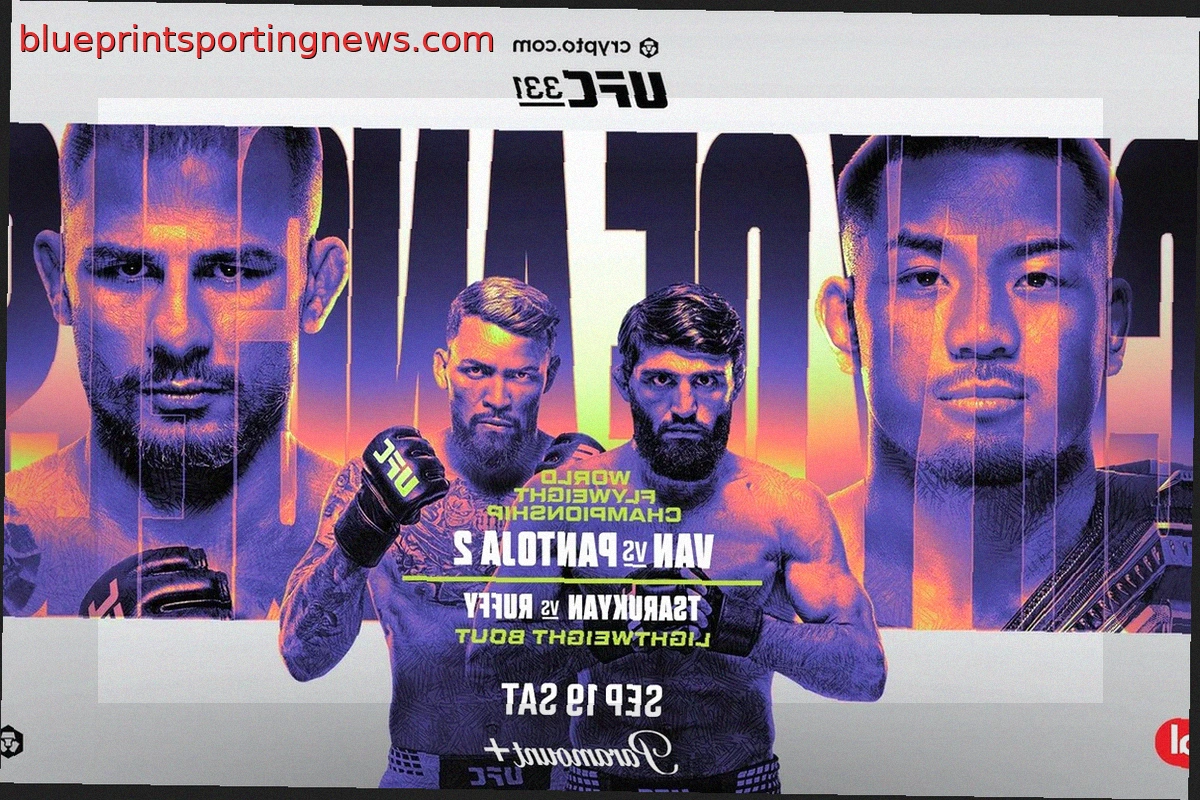
UFC 331: Van vs. Pantoja 2 Results
UFC 331 took place at Crypto.com Arena in Los Angeles. The main event featured a highly anticipated rematch for the UFC flyweight championship between champion Joshua Van and former champion Alexandre Pantoja. Pantoja lost his title to Van in December 2025 due to an early arm injury during the

Veronika Smolková Faces Ivana Petrović in Crucial Flyweight Bout at OKTAGON 98
The vacant flyweight title presents a significant opportunity for two prominent female fighters to advance their careers at OKTAGON 98 in Třinec. Veronika Smolková (10-3), a promising talent from Slovakia, is set to compete against Ivana Petrović (8-4), a seasoned UFC veteran who is moving

UFC Paris Results: Hooker vs. Parnasse Showdown
The Accor Arena in Paris, France, played host to UFC Paris, featuring a highly anticipated lightweight main event. The bout saw the UFC debut of former two-division KSW champion Salahdine Parnasse go head-to-head with the seasoned veteran Dan Hooker. UFC Paris Fight Results: Main Card

Elliott Loewenstein: A Deep Dive into the Security Professional Behind UFC Global Event Security
Elliott Loewenstein is a seasoned security professional whose expertise encompasses military service, executive protection, corporate security, and the intricate demands of international sports events. He is most recognized for his significant role within the Ultimate Fighting Championship (UFC

MMA Fan Betting Habits: The Rise of Crypto
Observing how MMA fans approach betting reveals a trend that has taken the broader sports world considerable time to adopt. A significant portion of fight enthusiasts embraced cryptocurrency early on. This shift was less about ideological conviction and more about the practicalities of how the

BKFC 92 Results from Fenway Park
Bare Knuckle Fighting Championship (BKFC) made a historic appearance at Fenway Park for BKFC 92, delivering a night of intense bare-knuckle boxing action. This event marked a significant moment, bringing the raw and gritty sport to one of America's most iconic sports venues. BKFC 92 Main C