College Hockey Prepares Canadiens' Hage for Montreal Role
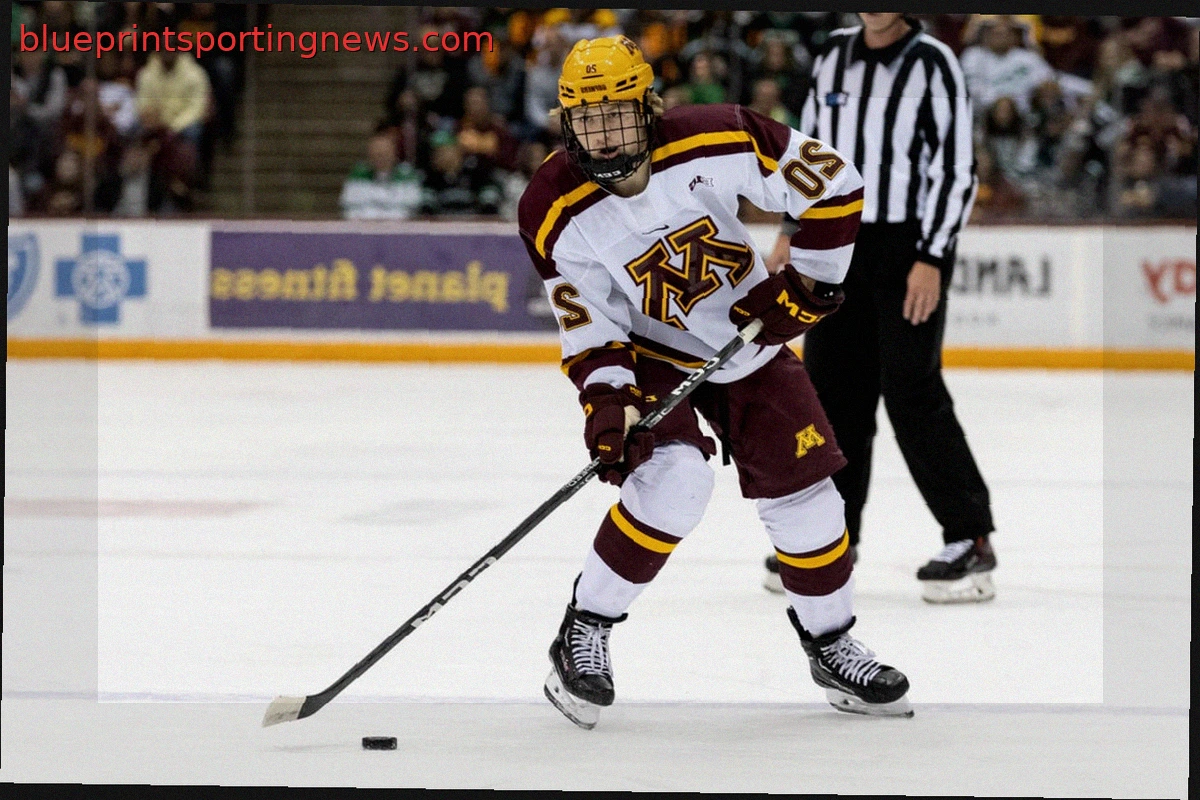
The allure of the Montreal Canadiens' crest is undeniable, even from afar in a Michigan college town. When the Canadiens selected Michael Hage 21st overall in the 2024 NHL Draft, they gained not just a high-potential offensive center, but a player already accustomed to handling expectations.
However, before Hage dons the iconic Bleu-Blanc-Rouge jersey at the Bell Centre, his immediate focus is on a different championship: bringing the NCAA title back to Yost Ice Arena.
Hage's decision to hone his skills with the Michigan Wolverines, rather than immediately turning professional, is a calculated and strategic move in his development. His objective in Ann Arbor is clear: dominance. Head coach Brandon Naurato emphasized that for Hage to seamlessly transition to NHL stardom, he must consistently be the standout player on the ice.
Hage's Unfinished Business
The pursuit of a national championship provides the intense environment Hage requires. The pressure of college hockey mirrors the intensity he will eventually face in Montreal. Mastering the art of winning, leading a team through single-elimination games, and bearing the weight of top-line expectations are essential prerequisites for an NHL center.
Hage is returning to the Wolverines alongside teammates Will Horcoff, Adam Valentini, and Henry Mews. The team will also welcome highly-touted defenseman Landon DuPont, projected as a top pick in the 2027 NHL Draft, and Memorial Cup champion Cameron Reid. Reid’s strong defensive play and leadership will be a significant asset, and he recognizes the importance of Hage’s return.
In an exclusive interview, Reid stated, "We have an opportunity to have a good year, but it’s the same mentality, we want to win this, and we believe we have a team that can win it. That sets a fire in you, the guys who are returning are going to have it, and I think it’ll rub off on everybody."
While Hage is well-supported on the ice, invaluable off-ice support will also be crucial.
Max Pacioretty's Mentorship
Special assistant coach Max Pacioretty, a former Canadiens captain, possesses a unique understanding of the pressure of wearing the Montreal jersey and the transition from NCAA to professional hockey. Drafted by the Canadiens in 2007 after a stellar freshman year at Michigan, Pacioretty spent a decade in Montreal, including three seasons as captain.
Having a former captain and prolific scorer like Pacioretty as a mentor offers Hage a rare advantage with direct experience. Pacioretty understands the challenges of transitioning from a high-profile NCAA prospect to navigating the intense media scrutiny and fan expectations in Montreal.
On the ice, Pacioretty's guidance is tailored to Hage's development. As a skilled winger adept at playing in dangerous areas, Pacioretty can help Hage improve his ability to shield the puck under pressure, create scoring opportunities off the rush, and maintain a quick release in tight spaces.
Off the ice, Pacioretty provides a blueprint for professionalism in Montreal. He knows how to earn coaching staff trust, manage external noise, and lead a locker room during high-pressure situations. For Hage, having a direct sounding board who has experienced his exact career path is an invaluable asset.
The Incubator of the Top-Line Center
Top-line NHL centers are not developed overnight; they are forged through extensive ice time against seasoned professionals. NCAA hockey emphasizes defensive systems, structured play, and physical battles due to its older, more physically developed player base. This contrasts with major junior hockey, which, with its younger demographic and demanding schedule, often promotes a higher-risk, skill-driven style focused on individual play.
As Michigan's top-line center, Hage will face opposing shutdown pairings, take crucial defensive-zone faceoffs, and control game flow in tight situations—all critical aspects of his development this season. Hage himself stated, "That’s always the type of player I’ve wanted to be, someone who the guys can rely upon in the big moments to step up, make a play and break the game open."
This responsibility is vital for his long-term projection with the Canadiens. Montreal's management, including director of hockey development Adam Nicholas, will monitor Hage's progress while allowing him to take ownership of his development. Playing top-line minutes will help him establish the rhythm of a top-six NHL center, focusing on distributing the puck on the rush, battling along the boards, and controlling play in the neutral zone.
Hage added, "I feel like when you can dominate a level as good as college hockey is right now, it proves that you’re going to be alright at the NHL level. Obviously, it’s a big adjustment; it’s still very difficult, and those guys dominated at the college level before they left. But, at the same time, it’s the reason why I took this path. You’re playing against older, stronger guys. That’s as close as you’re going to get to pro hockey."
The transition from junior to NCAA hockey exposes players to physically mature opponents, offering a development path that better simulates professional pacing than most other leagues.
Refining His Game in the NCAA
Despite a quiet offseason for the Canadiens in terms of major signings or trades, their internal pipeline, spearheaded by Hage, explains this strategy. While Hage's elite skating, vision, and shot have always been evident, scouts identified areas for improvement before his collegiate career, specifically physical strength along the boards, defensive-zone engagement, and consistency in puck battles. Hage has actively addressed these scouting reports.
Recognizing that skill alone is insufficient for NHL success, especially in the demanding "dirty areas" of the game, Hage has made significant investments in his physical conditioning, gaining muscle and transforming his physique. Head coach Brandon Naurato noted his progress last season:
"When he was getting leaned on, it wasn’t like he was losing the puck all the time, but he wasn’t able to break that pressure consistently. Now he’s put on nine pounds of lean muscle, he’s lost two per cent body fat. Credit to him, credit to our strength coach, just putting in the work. I think it’s helping him a lot."
The added strength will enable Hage to withstand defensive pressure, win one-on-one battles along the boards, and protect the puck during cycles—traits crucial for a center aiming to succeed at the professional level.
Equally important has been his work in his own end. Initial scouting evaluations pointed to instances where his defensive play appeared too relaxed. In response, Hage has made a dedicated effort to develop two-way responsibility into a core strength. By improving his defensive positioning and increasing his competitiveness off the puck—supported by the daily standards set by Pacioretty and the University of Michigan staff—Hage is dispelling lingering concerns in his scouting profile.
Hage's Road Ahead
For a player who grew up idolizing the Canadiens, the temptation to accelerate his NHL journey is strong. However, Hage's patience demonstrates remarkable maturity. He understands that arriving in Montreal as a complete player, capable of driving play rather than just surviving, is far more beneficial than an early arrival.
The pursuit of a national title with Michigan offers the ultimate proving ground. During the NCAA tournament, games are decided by crucial details: defensive-zone structure, clearing the puck under pressure, winning key faceoffs, controlled zone entries and exits, and making decisive plays when fatigued.
If Hage can lead Michigan to the pinnacle of college hockey, supported by a talented roster of prospects and guided by an experienced coaching staff, he will not only arrive in Montreal as a highly-touted prospect but also ready to address the franchise's long-standing need for a center built for sustained high-level success in the NHL.
The path is clear, the work continues in Ann Arbor, and for Hage, the pursuit of a national title serves as the ideal final preparation for the bright lights of hockey's most storied city.
Fresh materials — NHL
3 Under-the-Radar Montreal Canadiens Prospects
The Montreal Canadiens have cultivated one of the NHL's most substantial prospect pools in recent years. While names like Michael Hage, Alexander Zharovsky, Jacob Fowler, and David Reinbacher naturally draw the most attention due to their high potential to become core players, a robus
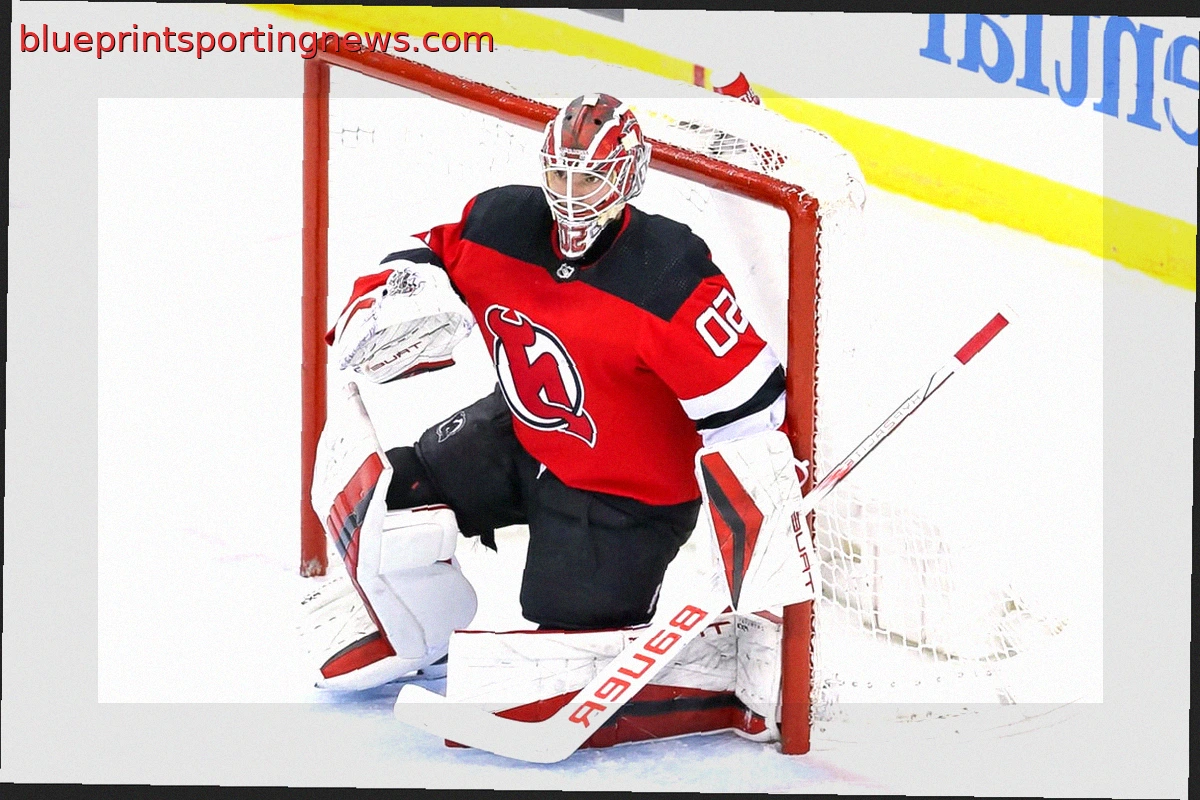
Devils News & Rumors: Silayev's North American Debut, Brodeur's Faith in Daws, and More
The New Jersey Devils have been proactive during the offseason under new General Manager Sunny Mehta, addressing team weaknesses and adding depth with scorers, a top-six winger, and a veteran goaltender. The team appears to have the necessary components for a deeper playoff run than in recent sea
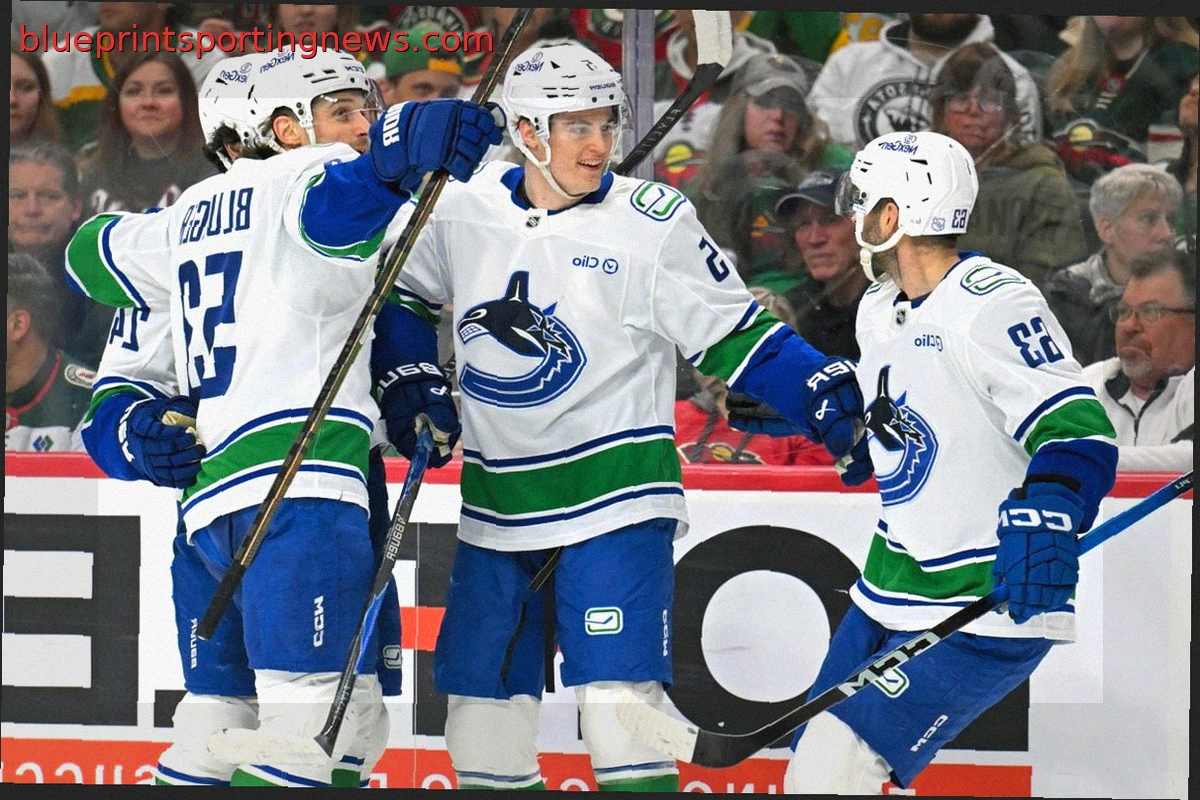
Gavin McKenna's Impact on the Maple Leafs' Timeline and New Challenges
This offseason, the Toronto Maple Leafs transformed from a team facing a potentially difficult season into one boasting one of hockey's most thrilling young talents. The fortunate acquisition of Gavin McKenna dramatically shifted the narrative surrounding the organization almost overn
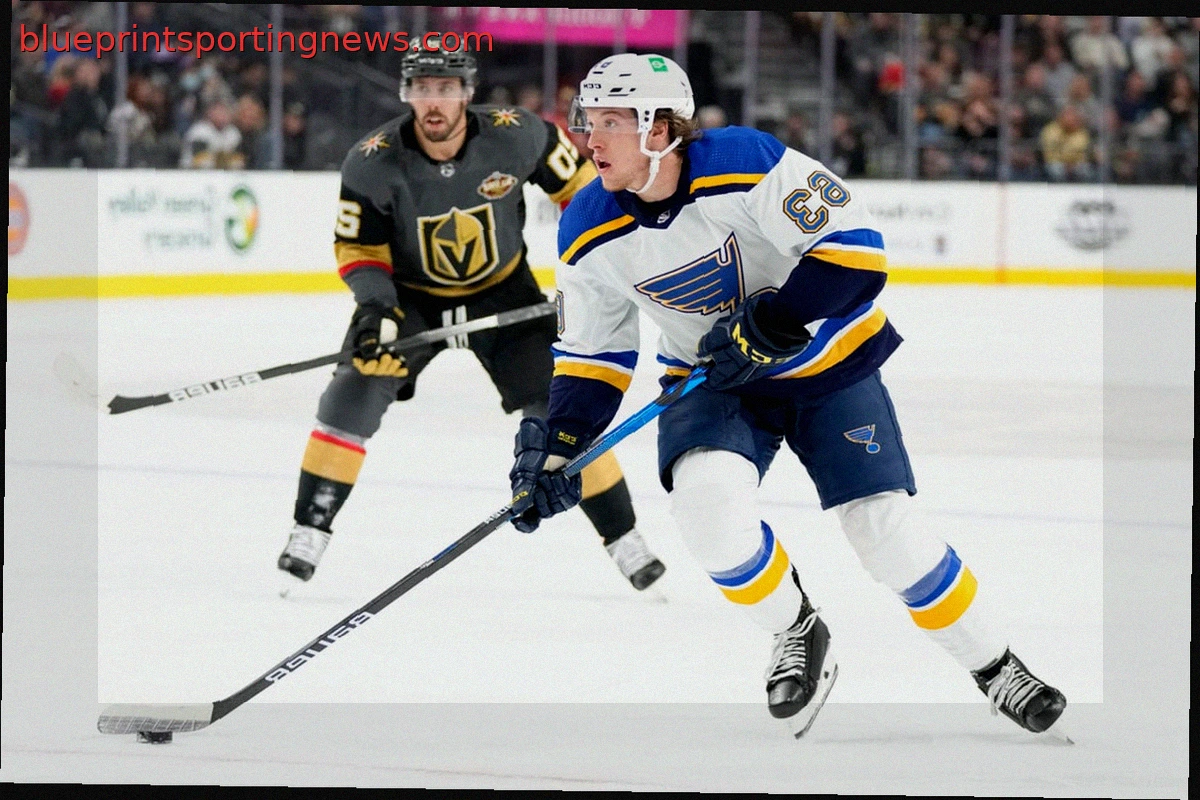
Jake Neighbours: A Future Captain for the St. Louis Blues?
While Robert Thomas is the most likely candidate to be named captain of the St. Louis Blues if a decision is made before the 2026-27 season, Jake Neighbours is emerging as a strong contender for a future leadership role. At 24 years old, Neighbours is demonstrating qualities that point towards
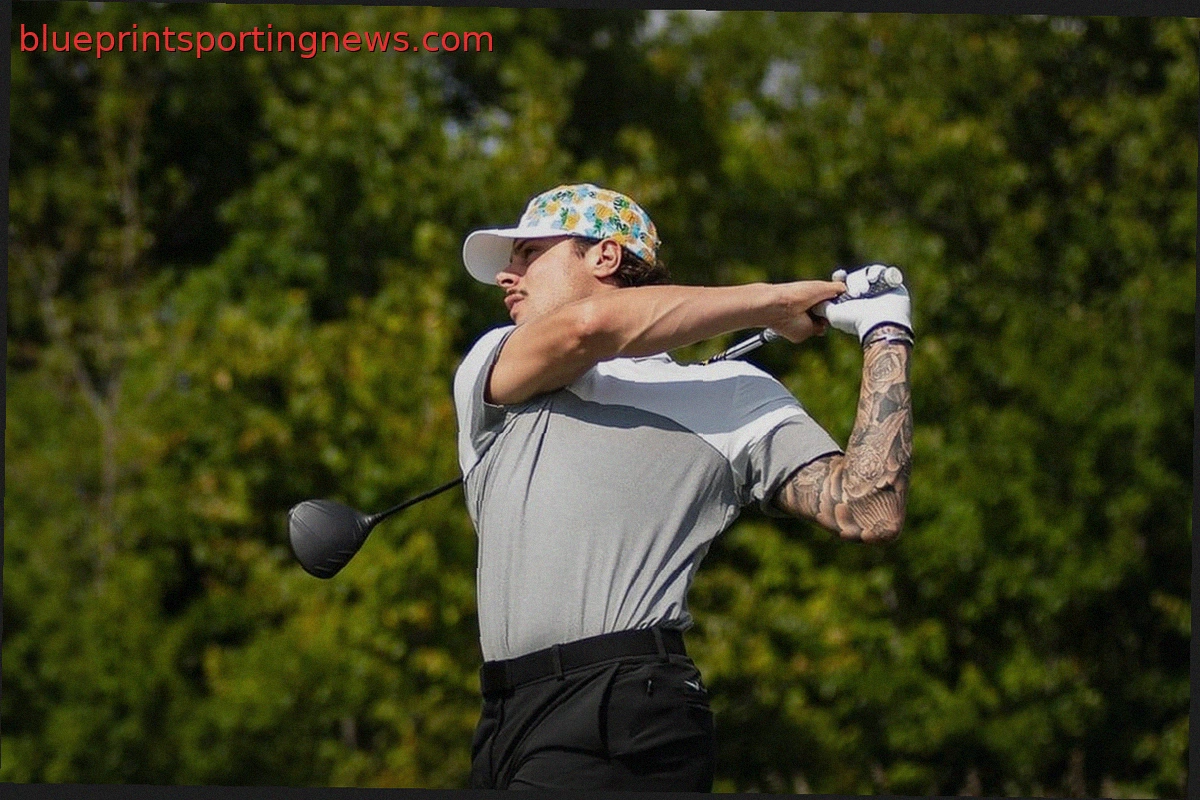
NHL Players and Their Love Affair With Golf
Hockey players, from amateur leagues to the NHL, share a common passion for golf, making it a prominent hobby outside the rink. This connection likely dates back to hockey's origins, with players a century ago probably enjoying the links during the offseason with their teammates.

Could This Be a Breakout Season for the Oilers' Matt Savoie?
Matt Savoie experienced a notable shift in performance for the Edmonton Oilers towards the conclusion of the 2025-26 NHL season. Prior to the Olympic break (February 6-24), Savoie's offensive output was modest, with only nine goals and 18 points in 63 games. However, upon the resumptio