UFC Fight Outcomes and Betting: Wins by Points and Decision Processes
Sports betting on mixed martial arts (MMA) has unique rules and terminology compared to traditional team sports, primarily because fights can conclude in several distinct ways within a single bout. Understanding these nuances is key to comprehending UFC betting markets, especially when it comes to how a fighter wins by points and the overall decision-making process in a UFC contest.
How Is a UFC Fight Decided?
A UFC fight concludes either by a stoppage before the scheduled duration or by a judges' decision if the fight goes the full distance. A stoppage, or 'finish,' occurs when one fighter can no longer continue due to a knockout (KO), technical knockout (TKO) by the referee, or a submission (tap-out or verbal submission). If neither fighter is finished, three judges at cageside determine the winner based on their scorecards.
Judges score each round using the ten-point must system, common in boxing. The winner of a round typically gets 10 points, while the loser receives 9 or fewer, depending on dominance. A dominant round might be scored 10-8, whereas a close round is usually 10-9.
Common Ways a UFC Fight Can End
- Knockout (KO): A fighter is rendered unable to continue by a direct strike.
- Technical Knockout (TKO): The referee stops the fight because a fighter cannot intelligently defend themselves.
- Submission: A fighter taps out or verbally submits due to a hold or strike sequence.
- Decision: Judges’ scorecards determine the winner after all scheduled rounds are completed.
- Draw: Judges’ scorecards are split or tied, resulting in no official winner.
What Judges Look for When Scoring a Round
Judges evaluate several criteria for scoring rounds, with effective striking and effective grappling being the primary factors. Effective striking involves significant, clean landed strikes that visibly impact the opponent. Effective grappling includes successful takedowns, control from top position, and progress towards a finishing attempt like a submission.
Octagon control, or dictating the pace and location of the fight, is also considered. Aggression and defense serve as tiebreakers when striking and grappling are relatively even.
Variations in how judges weigh these criteria can lead to split decisions, where two judges favor one fighter and the third favors the opponent. A unanimous decision occurs when all three judges agree on the winner.
How Do You Win by Points in the UFC?
Winning by points in the UFC means securing victory via the judges' scorecards after the fight has completed its scheduled rounds, rather than through a stoppage. This can result in a unanimous, split, or majority decision, reflecting the level of agreement among the judges.
- Unanimous Decision: All three judges score the fight for the same fighter.
- Split Decision: Two judges score for one fighter, while the third scores for the opponent.
- Majority Decision: Two judges score for one fighter, and the third scores the fight as a draw.
Fights that go to the scorecards often involve evenly matched, durable fighters or those who employ control-based grappling without securing a finish. Strong grappling and control can earn rounds even without significant striking damage.
Types of Decision Outcomes
- Unanimous Decision: All three judges score for the same fighter.
- Split Decision: Two judges favor one fighter, one favors the other.
- Majority Decision: Two judges favor one fighter, one scores a draw.
- Majority Draw: Two judges score a draw, one favors a fighter.
- Split Draw: Judges are split across a win, a loss, and a draw.
How Method of Victory Shapes a UFC Sportsbet
UFC sports betting often includes a "method of victory" market alongside the standard moneyline. This allows wagers on how a fight will end—by KO/TKO, submission, or decision. The odds for these markets vary based on the fighters' styles and tendencies.
A powerful striker might have lower odds for a KO/TKO victory, while a skilled grappler might have shorter odds for a submission win. Fighters with high finishing rates influence the odds, making decision outcomes less likely if they are involved. Round betting, predicting the specific round a fight will end, adds another layer to UFC wagering, often combining method-of-victory analysis with a fighter's pacing.
Common UFC Sportsbet Market Types
- Moneyline: Wager on which fighter wins the bout.
- Method of Victory: Wager on how the fight will end (e.g., KO/TKO, Submission, Decision).
- Round Betting: Wager on which round the fight will end.
- Over/Under Rounds: Wager on whether the fight's duration will exceed or fall short of a set number of rounds.
- Fight to Go the Distance: Wager on whether the bout will reach a decision.
Why Understanding Scoring Matters for UFC Wagering
The subjective nature of judges' scoring, especially in close rounds, can lead to unexpected decisions. This variability underscores the importance of analyzing fighter tendencies for method-of-victory and round-betting markets, rather than solely focusing on who is favored to win.
A fighter who excels at controlling opponents through grappling without finishing them presents a different betting profile than an aggressive striker seeking early finishes. Understanding the ten-point must system and how judges weigh different criteria provides valuable insight for interpreting odds in decision-related markets.
Summary
UFC fights can conclude by knockout, technical knockout, submission, or a judges' decision based on the ten-point must system. Wins by points occur through unanimous, split, or majority decisions, reflecting the judges' agreement. UFC sports betting often features method-of-victory and round-betting markets, requiring bettors to understand both the scoring criteria and individual fighter tendencies to effectively interpret odds.
Fresh materials — MMA

Veronika Smolková Faces Ivana Petrović in Crucial Flyweight Bout at OKTAGON 98
The vacant flyweight title presents a significant opportunity for two prominent female fighters to advance their careers at OKTAGON 98 in Třinec. Veronika Smolková (10-3), a promising talent from Slovakia, is set to compete against Ivana Petrović (8-4), a seasoned UFC veteran who is moving

UFC Paris Results: Hooker vs. Parnasse Showdown
The Accor Arena in Paris, France, played host to UFC Paris, featuring a highly anticipated lightweight main event. The bout saw the UFC debut of former two-division KSW champion Salahdine Parnasse go head-to-head with the seasoned veteran Dan Hooker. UFC Paris Fight Results: Main Card

Elliott Loewenstein: A Deep Dive into the Security Professional Behind UFC Global Event Security
Elliott Loewenstein is a seasoned security professional whose expertise encompasses military service, executive protection, corporate security, and the intricate demands of international sports events. He is most recognized for his significant role within the Ultimate Fighting Championship (UFC

MMA Fan Betting Habits: The Rise of Crypto
Observing how MMA fans approach betting reveals a trend that has taken the broader sports world considerable time to adopt. A significant portion of fight enthusiasts embraced cryptocurrency early on. This shift was less about ideological conviction and more about the practicalities of how the
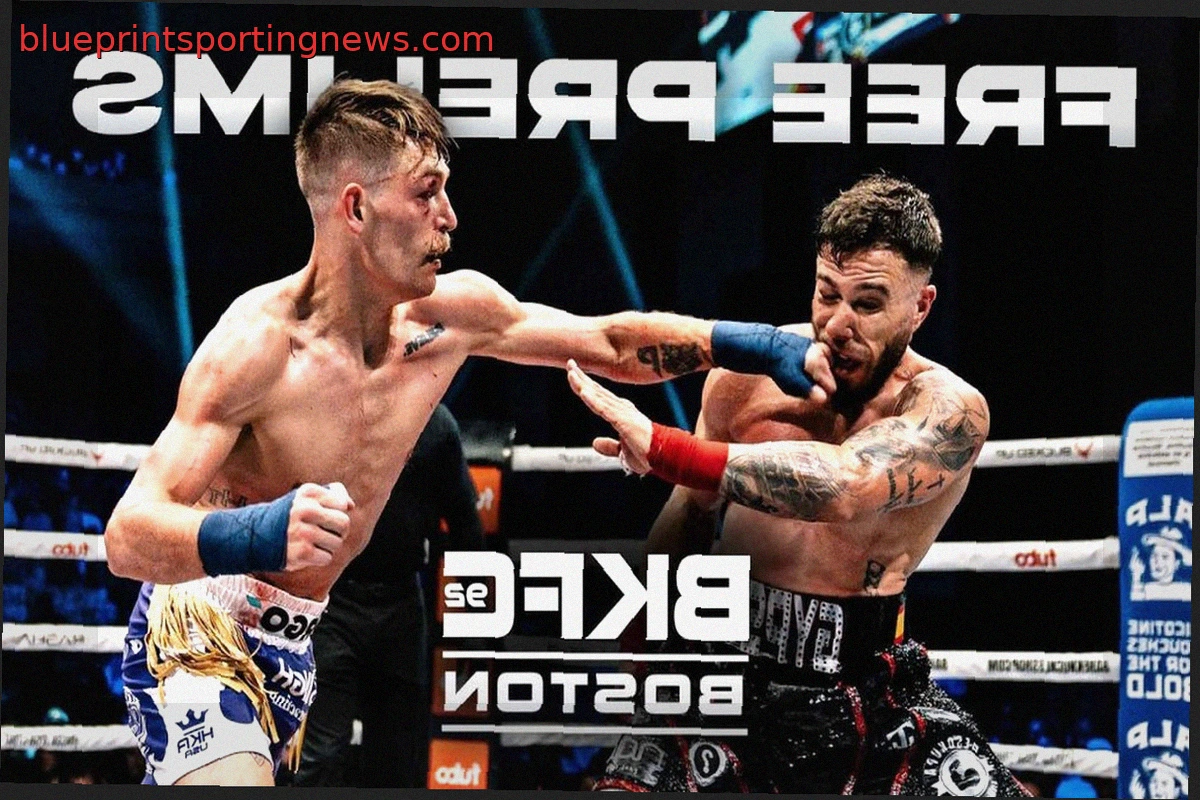
BKFC 92 Results from Fenway Park
Bare Knuckle Fighting Championship (BKFC) made a historic appearance at Fenway Park for BKFC 92, delivering a night of intense bare-knuckle boxing action. This event marked a significant moment, bringing the raw and gritty sport to one of America's most iconic sports venues. BKFC 92 Main C

GZone Promotes Balanced Entertainment Through Strategic Pusoy Play
Pusoy remains a highly recognized card game in the Philippines, drawing players with its focus on strategy, patience, and calculated decisions. As online participation grows, GZone is emphasizing the importance of balanced entertainment by integrating educational materials with responsible gam