Eric Lindros Trade Revisited: A Blockbuster Deal That Reshaped Franchises
The NHL witnessed a historic trade when Eric Lindros, a player with immense offensive talent and a commanding physical presence, was sent to the Philadelphia Flyers by the Quebec Nordiques. This transaction, occurring over three decades ago, remains one of the most significant in league history.
Lindros, lauded as "The Next One" and compared to legends like Wayne Gretzky and Mario Lemieux, possessed a rare combination of skills: exceptional offensive prowess, a bruising physical style, strong skating, and remarkable puck-handling abilities. His refusal to play for the Nordiques after being drafted first overall in 1991 set the stage for this monumental deal.
Having warned the Nordiques he wouldn't play for them, Lindros returned to his junior team when they disregarded his wishes and drafted him. This led to the Nordiques trading him during the 1992 NHL Entry Draft to the Philadelphia Flyers. The compensation for the young star was substantial: Peter Forsberg, Mike Ricci, Ron Hextall, Steve Duchesne, Kerry Huffman, future considerations (which became Chris Simon), two first-round picks, and $15 million.
Lindros Almost Landed Elsewhere
The impact of the Lindros affair extended beyond just the Flyers and Nordiques (who later became the Colorado Avalanche), also affecting the New York Rangers. Despite having a deal in place with the Flyers, Nordiques president Marcel Aubut engaged in negotiations with the Rangers just 90 minutes later. This dual negotiation led to confusion and a subsequent arbitration process, ultimately ruling in favor of the Flyers.
Arbitrator Larry Bertuzzi determined that the initial handshake agreement with the Flyers was binding, establishing that the rights to negotiate with Lindros belonged to Philadelphia.
Trade Changed Franchises’ Fates Fast
The acquisition of Lindros had an immediate and profound effect on both the Flyers and the Nordiques, transforming them into immediate contenders and significantly altering their long-term trajectories.
Much-Ballyhooed Lindros Worth the Hype
Lindros seamlessly transitioned his junior success into the NHL. In his rookie season, he recorded 75 points, followed by a 99-point campaign in 1993-94. His game was characterized not only by his scoring and playmaking but also by his physical toughness, accumulating over 100 penalty minutes in his early years. Although the Flyers didn't make the playoffs in Lindros's first two seasons, his arrival signaled the beginning of their resurgence.
Nordiques Became Contender Overnight
Prior to the Lindros trade, the Nordiques were struggling. However, the assets acquired in the trade, combined with their existing young talent like Mats Sundin, Owen Nolan, and Joe Sakic, quickly turned them into a competitive force. The team saw a dramatic improvement in their record and goal scoring, becoming a strong hockey club.
Despite a dip in performance in the 1993-94 season and subsequent trades of some acquired players, the Nordiques rebuilt and won their division in the lockout-shortened 1994-95 season, their last in Quebec City.
Lindros Became a Flyers Legend
As captain in 1994-95, Lindros won the Hart Trophy and led the Flyers to the playoffs. He later formed the formidable "Legion of Doom" line with Mikael Renberg and John LeClair, a dominant trio known for both scoring and physical play. Lindros's best season was 1995-96 with 115 points, and he contributed significantly to the Flyers' run to the Stanley Cup Final in 1997.
Lindros revitalized the Flyers franchise, never missing the playoffs as captain. He played 486 games for the team, amassing 659 points.
Respect for Quebec, but Cups for Colorado
While Lindros never won a Stanley Cup, the players he was traded for, along with the existing young core, ultimately led the Quebec Nordiques to become the Colorado Avalanche and win the Stanley Cup in their first year after relocating. Players like Peter Forsberg became integral to the Avalanche's dynasty, contributing significantly to their two Stanley Cup victories.
Injuries Lessen Lindros’ Long-Term Legacy
Lindros's career was significantly impacted by injuries, particularly concussions. His aggressive style, often involving skating with his head down, led to numerous head injuries during a time when such hits were not as severely penalized. These injuries shortened his career, preventing him from reaching his full potential and solidifying his legacy.
Despite a career cut short by injuries, Lindros revolutionized the power forward position, combining size, speed, skill, and a physical edge. His impact on the NHL and the teams involved in the trade was undeniable and far-reaching.
Fresh materials — NHL
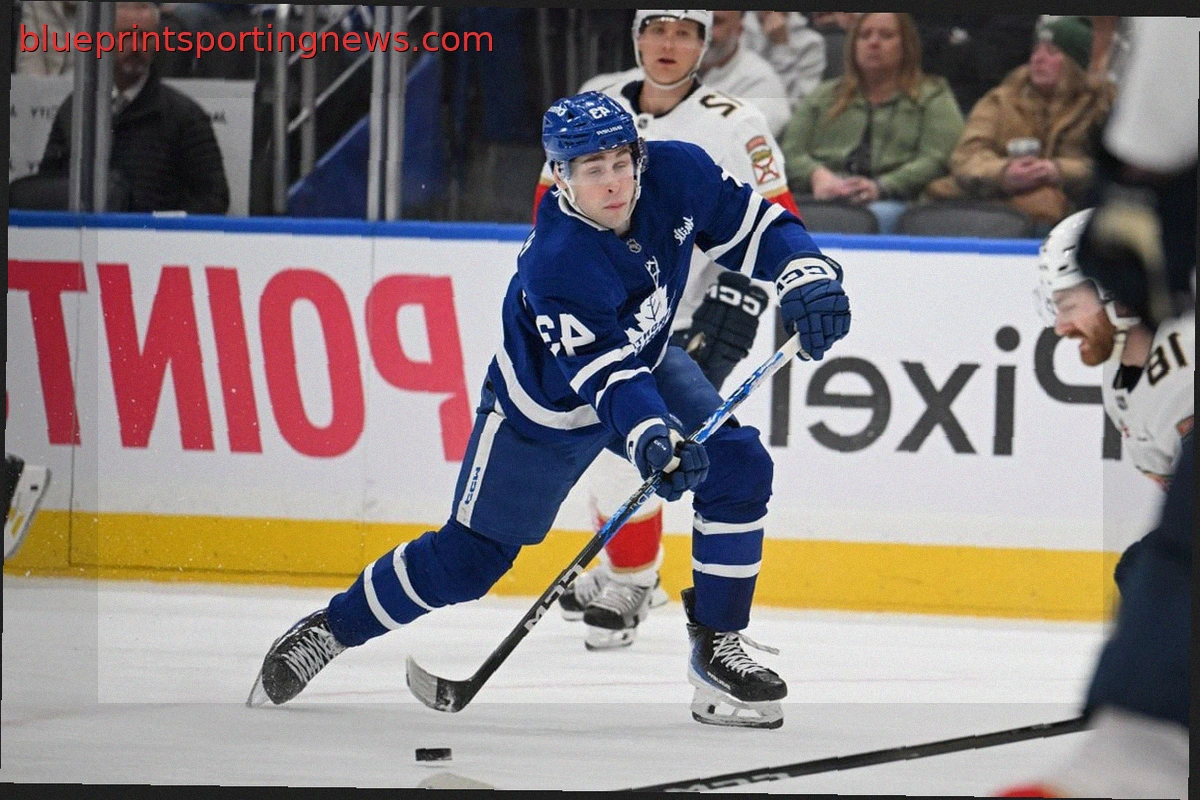
Maple Leafs: Haymes and Blankenburg Compete for a Spot
As the Toronto Maple Leafs training camp nears, a compelling narrative is unfolding beyond the star players. It centers on individuals with everything to prove, arriving at camp without guaranteed positions. Luke Haymes and Nick Blankenburg exemplify this dynamic. Haymes, a young center,
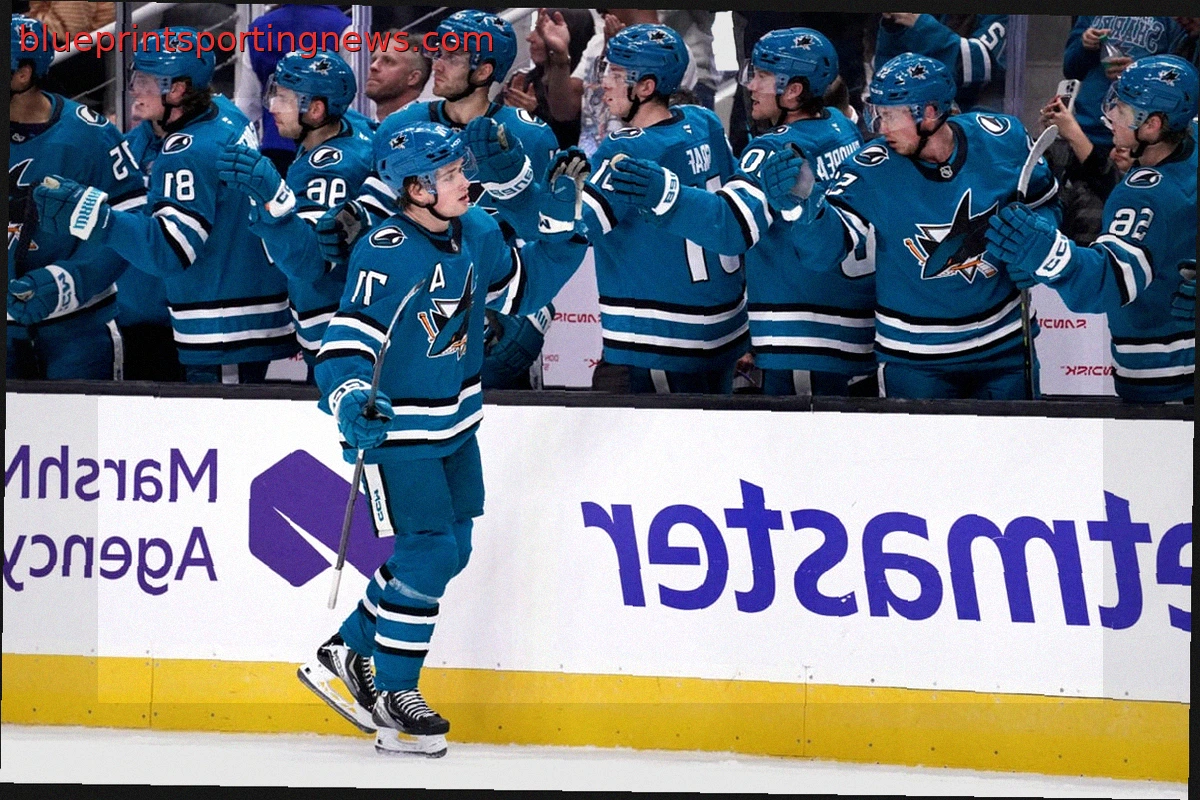
The Sharks Need to Change Their Goal Song
The San Jose Sharks' 2025-26 season has been a major NHL story, marked by the rise of Macklin Celebrini and a resilient young team. After years at the bottom of the standings, the Sharks are now contenders with genuine playoff hopes for 2026-27. Fans are eager to move past a seven-year pl
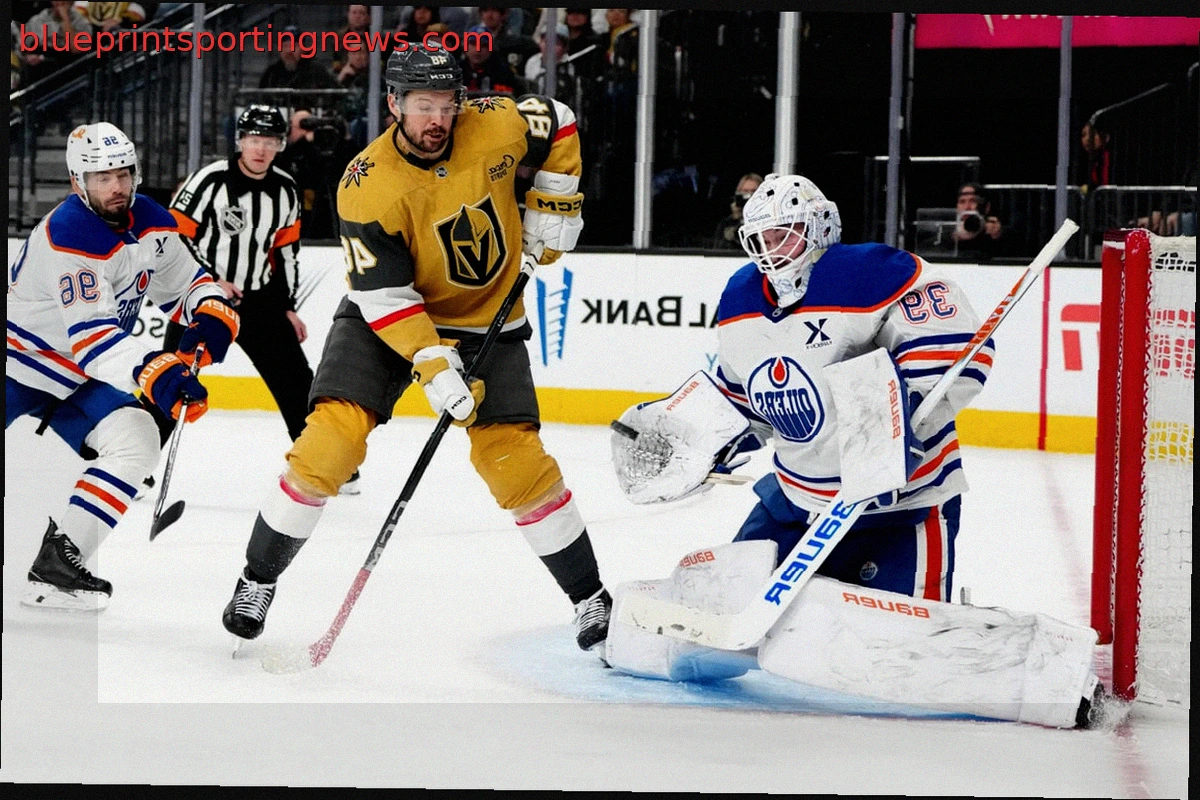
Connor Ingram's Significant, Brief Stint with the Oilers
Connor Ingram spent only nine months with the Edmonton Oilers organization, occupying a dressing room stall for roughly half that time and playing 37 games. Despite this brevity, few players in Oilers history have had such a positive impact in such a short p
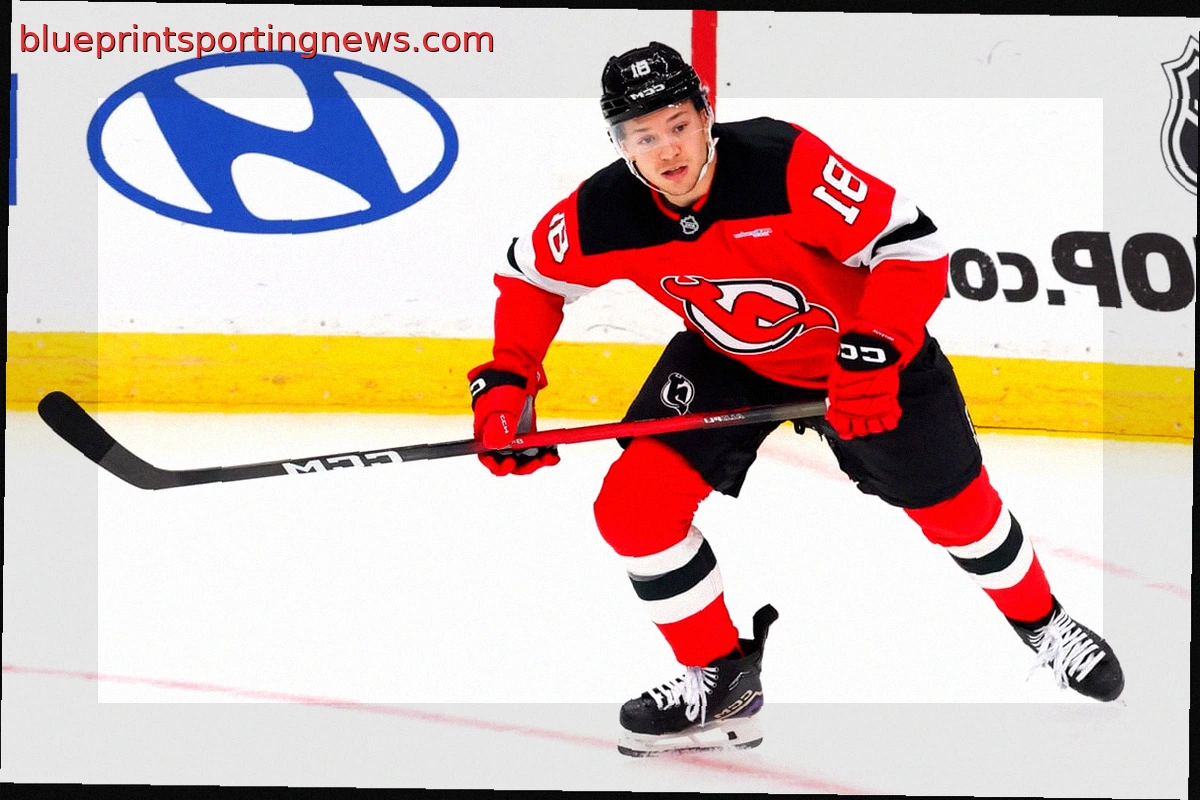
Arseny Gritsyuk 2026-27 Projections for New Jersey Devils
The New Jersey Devils face significant pressure for the 2026-27 season. Despite a strong roster, last year's late-season collapse and missed playoffs after a promising start fuel their determination to avoid a repeat. Every player has a defined role. As the season approaches,

5 St. Louis Blues Prospects to Watch at the Rookie Showcase vs. Blackhawks
The St. Louis Blues will have their first opportunity to see several of their top prospects in competitive action when they face the Chicago Blackhawks in a two-game rookie showcase. The games are scheduled for September 14th at 6 p.m. and September 15th at 4 p.m. at USG Arena, locate

3 Finnish Prospects to Watch at the 2026 NHL Prospect Games
Following a look at Finnish prospects at the Rookie Faceoff, the NHL Prospect Games, set to take place from September 12th to 15th at the BELFOR Training Center in Detroit, will feature the Red Wings hosting the Dallas Stars, Pittsburgh Penguins, and Columbus Blue Jackets. This event offers anoth