Senators Should Consider Trading Drake Batherson
The idea of the Ottawa Senators trading Drake Batherson might be hard for fans to accept, given his tenure since being drafted in 2017 and his potential to fill a top-line role. Losing him could cause significant roster disruption.
However, contract negotiations for an extension beyond the 2027-28 season are reportedly not progressing, with sources indicating a gap between Batherson and the Senators. While it's early, this divergence raises concerns about a potentially difficult negotiation process.
On the positive side, trading Batherson could yield a substantial return, especially if a deal is made this season. This could be the catalyst to elevate the Senators from a borderline playoff team to a genuine contender, despite the departure of a popular player.
Does Batherson Warrant the Senators' Largest Contract?
A key sticking point in negotiations is Batherson's projected salary, which could place him as the team's highest earner. Currently, Tim Stutzle ($8.35 million AAV), Linus Ullmark ($8.25 million AAV), and Jake Sanderson ($8.05 million AAV) are the highest-paid and widely considered the team's top three players. Batherson is reportedly seeking an extension in the ballpark of $10 million annually.
Comparable players like Adrian Kempe, who signed an eight-year, $10.625 million extension after a 36-goal, 73-point season, and Alex Tuch, who secured an eight-year, $10.5 million deal following a 33-goal, 66-point campaign, provide context. Batherson, at 28, is the youngest of these comparable players and recorded his first 70-point season with 33 goals and 71 points last year.
The Senators' current young core is on favorable contracts, and Batherson could potentially fit this mold if his performance continues to grow. The team also has the financial flexibility to accommodate a $10 million extension, with substantial cap space projected for the following season.
However, his age is a factor, as player production typically declines after 30, which is only two years away for Batherson. Committing to an eight-year deal for a player nearing this age threshold, especially as the team aims for a Stanley Cup window, presents a significant risk.
Senators Could Sidestep Future Complications
The Senators experienced considerable turmoil with the contract situation surrounding Brady Tkachuk, which included his absence during a playoff series, constant media attention, and speculation about his future with the team. This situation caused ongoing drama and distraction.
Considering the recent relief from the Tkachuk saga, the team might want to avoid entering another prolonged contract dispute that could negatively impact team chemistry and focus.
Contract disagreements are common, but protracted battles often end poorly. The Senators have historical examples, such as Alexei Yashin's contract disputes and Tkachuk's own last-minute signing in 2021, highlighting the potential for negative outcomes.
The deadline for signing an eight-year extension before the new Collective Bargaining Agreement (CBA) takes effect on September 15, 2026, is approaching. The new CBA will limit extensions to seven years and free agent deals to six. While it's advantageous for Batherson to sign sooner to maximize his long-term earnings, persistent disagreements up to the deadline could signal a more challenging path forward.
Batherson Could Fetch a Significant Return
Despite potential statistical plateaus and the risk of a lengthy, problematic contract negotiation, the Senators are keen to retain Batherson. General Manager Steve Staios has publicly stated the desire to sign him, emphasizing his local ties, continued improvement, and importance to a contending team.
However, if the Senators opt to trade him, this season presents an ideal opportunity. Batherson is projected for another strong season of 30 goals and 70 points, and crucially, he plays a top-line right-wing position with a cap hit under $5 million, making him an extremely valuable asset.
The trade return for Tkachuk, which included multiple high draft picks, serves as a benchmark. Batherson, while scoring fewer goals and points than Tkachuk historically, commands a significantly lower cap hit. His playoff performance, where he led the Senators with four points in four games, also adds to his value. Given he doesn't have a no-movement clause, multiple first-round picks would be a reasonable expectation in a trade scenario.
Trading Batherson should remain a last resort, as the team is stronger with him, especially given the current lack of top-line wingers. However, if circumstances dictate a move, the current market conditions offer an opportune moment to explore his trade value.
Fresh materials — NHL
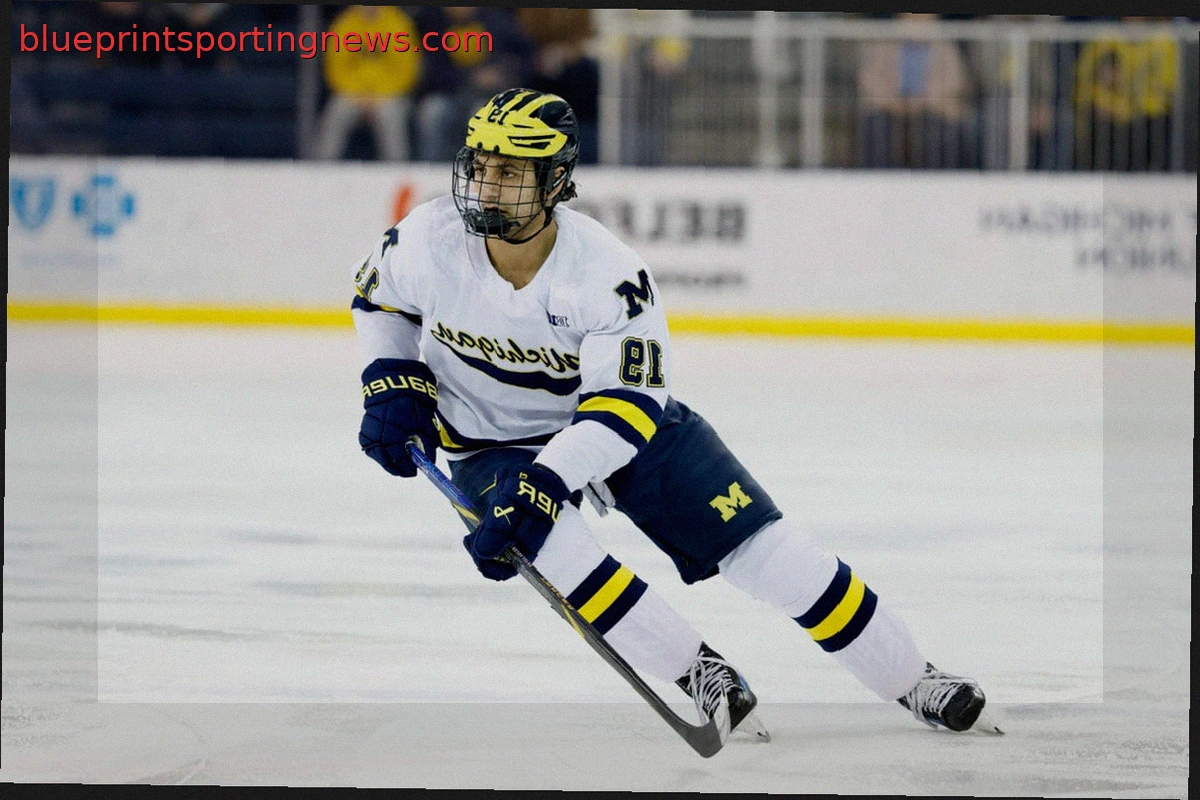
College Hockey Prepares Canadiens' Hage for Montreal Role
The allure of the Montreal Canadiens' crest is undeniable, even from afar in a Michigan college town. When the Canadiens selected Michael Hage 21st overall in the 2024 NHL Draft, they gained not just a high-potential offensive center, but a player already accustomed to handling expect

3 Under-the-Radar Montreal Canadiens Prospects
The Montreal Canadiens have cultivated one of the NHL's most substantial prospect pools in recent years. While names like Michael Hage, Alexander Zharovsky, Jacob Fowler, and David Reinbacher naturally draw the most attention due to their high potential to become core players, a robus
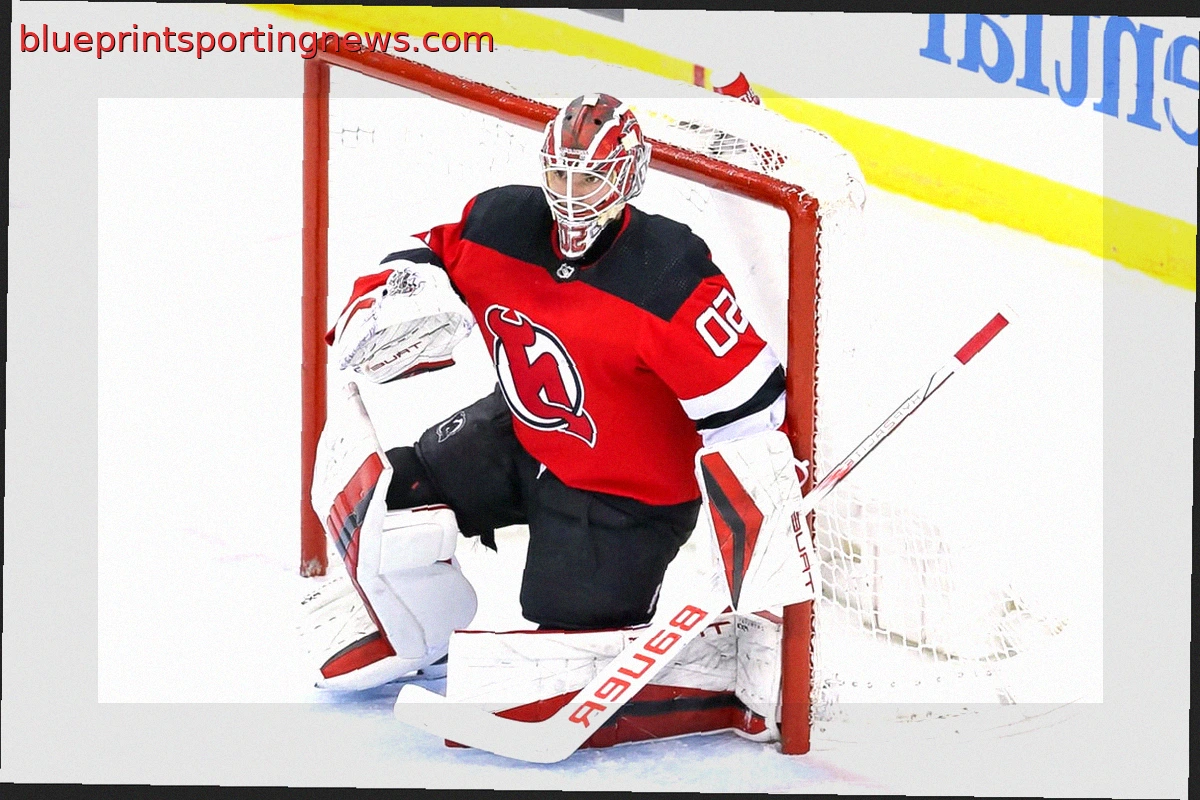
Devils News & Rumors: Silayev's North American Debut, Brodeur's Faith in Daws, and More
The New Jersey Devils have been proactive during the offseason under new General Manager Sunny Mehta, addressing team weaknesses and adding depth with scorers, a top-six winger, and a veteran goaltender. The team appears to have the necessary components for a deeper playoff run than in recent sea

Gavin McKenna's Impact on the Maple Leafs' Timeline and New Challenges
This offseason, the Toronto Maple Leafs transformed from a team facing a potentially difficult season into one boasting one of hockey's most thrilling young talents. The fortunate acquisition of Gavin McKenna dramatically shifted the narrative surrounding the organization almost overn

Jake Neighbours: A Future Captain for the St. Louis Blues?
While Robert Thomas is the most likely candidate to be named captain of the St. Louis Blues if a decision is made before the 2026-27 season, Jake Neighbours is emerging as a strong contender for a future leadership role. At 24 years old, Neighbours is demonstrating qualities that point towards

NHL Players and Their Love Affair With Golf
Hockey players, from amateur leagues to the NHL, share a common passion for golf, making it a prominent hobby outside the rink. This connection likely dates back to hockey's origins, with players a century ago probably enjoying the links during the offseason with their teammates.