Mental Fortitude: The Key to Young Athlete Success
While hard work is undeniably vital for athletic achievement, the psychological aspect is often overlooked. Young athletes face immense pressure, grappling with worries about mistakes and letting others down. The moments between actions are critical, shaping whether their mental toughness is forged or fractured.
What is Mental Toughness?
Mental toughness is the ability to remain confident, determined, and calm under pressure, especially when facing adversity. It’s the resilience to bounce back stronger after a loss, to push through grueling training sessions when your body screams to quit, and to maintain inner resolve when external forces urge you to stop.
Research indicates that mental factors contribute at least fifty percent to athletic success. In scenarios where skill levels are equal, the mental game can determine the outcome up to ninety percent of the time, highlighting the profound power of the mind.
Icons of Mental Fortitude in Sports
History is replete with examples of athletes demonstrating exceptional mental fortitude:
- During the 1988 Olympic Games, swimmer Matt Biondi, a favorite for seven golds, faced a devastating loss in his first two races. Instead of succumbing to despair, his mental strength enabled him to secure five gold medals, a comeback attributed significantly to his inner resilience.
- Endurance athlete Danielle Ballengee suffered a severe fall, resulting in a broken pelvis and internal bleeding. Despite a ninety-day recovery period, including time in a wheelchair, she achieved a remarkable 5th place finish out of sixty competitors just 150 days later. Her return and performance defied expectations.
- At just 22, Eileen Gu became the most decorated freestyle skier in Winter Olympic history after only two competitions. She attributes her success not to rigorous training in the cold, but to her mental practices, including journaling to analyze her thoughts, correct errors, and prepare for new challenges. She treats her mind with the same dedication she gives her body.
These athletes prove that mental toughness is not innate but a cultivated quality that can profoundly shape one's life. The good news is that developing this mental strength is accessible to everyone, not just elite athletes. It begins with a conscious effort to start practicing mind training.
Developing Mental Skills for Athletes
Mental toughness is built through consistent, small, daily habits. It starts with acknowledging the thoughts that arise after a difficult game or performance – are you replaying mistakes, or experiencing pre-competition anxiety? These are your mind's signals.
You have the power to respond. Here are three simple ways to begin:
- After each game, reflect by writing down one mistake, one success, and one feeling.
- Before significant moments, close your eyes and visualize yourself performing successfully.
- When self-doubt surfaces, question its validity and actively choose a positive outlook.
These consistent practices can reshape your brain over time. Your mind is adaptable and can grow in the direction you choose. At its core, mental toughness is self-belief – not the absence of mistakes, but the conviction that you can handle any situation. Confident athletes embrace challenges, process feedback constructively, and understand that a single loss does not define them.
If performance anxiety persists, seeking professional help is crucial. A specialist in anxiety treatment can help address underlying causes for improved mental well-being.
Mental Health in Student Athletes
Anxiety and depression are common among athletes, yet many young athletes are encouraged to suppress these feelings, told to "work through it" or "be strong." They juggle academic demands, intense training, family expectations, and the pressure to consistently perform at a high level.
The stigma surrounding mental health often leads young athletes to suffer in silence, fearing that vulnerability equates to weakness. A cultural shift is needed to recognize that mental health is as vital as physical health. While physical injuries receive immediate attention and care, emotional struggles are frequently overlooked. Coaches, parents, and teammates must create a safe environment where young athletes feel comfortable discussing their feelings.
Just as a physical injury requires a specialist, mental health challenges benefit from professional guidance. A mental health expert can help athletes understand their emotions, manage performance anxiety, and develop coping strategies for various stressors. They can serve as a constant support, fostering a healthier relationship with their sport and themselves.
Telehealth platforms now offer convenient access to expert mental health care, providing evaluations and personalized treatment plans without the need for travel. Prioritizing mental health, just like physical health, through regular engagement with professionals is paramount.
Remember, your mind is not your adversary. With the right attention and support, your mind can become your most powerful asset.
Fresh materials — MMA

Veronika Smolková Faces Ivana Petrović in Crucial Flyweight Bout at OKTAGON 98
The vacant flyweight title presents a significant opportunity for two prominent female fighters to advance their careers at OKTAGON 98 in Třinec. Veronika Smolková (10-3), a promising talent from Slovakia, is set to compete against Ivana Petrović (8-4), a seasoned UFC veteran who is moving

UFC Paris Results: Hooker vs. Parnasse Showdown
The Accor Arena in Paris, France, played host to UFC Paris, featuring a highly anticipated lightweight main event. The bout saw the UFC debut of former two-division KSW champion Salahdine Parnasse go head-to-head with the seasoned veteran Dan Hooker. UFC Paris Fight Results: Main Card
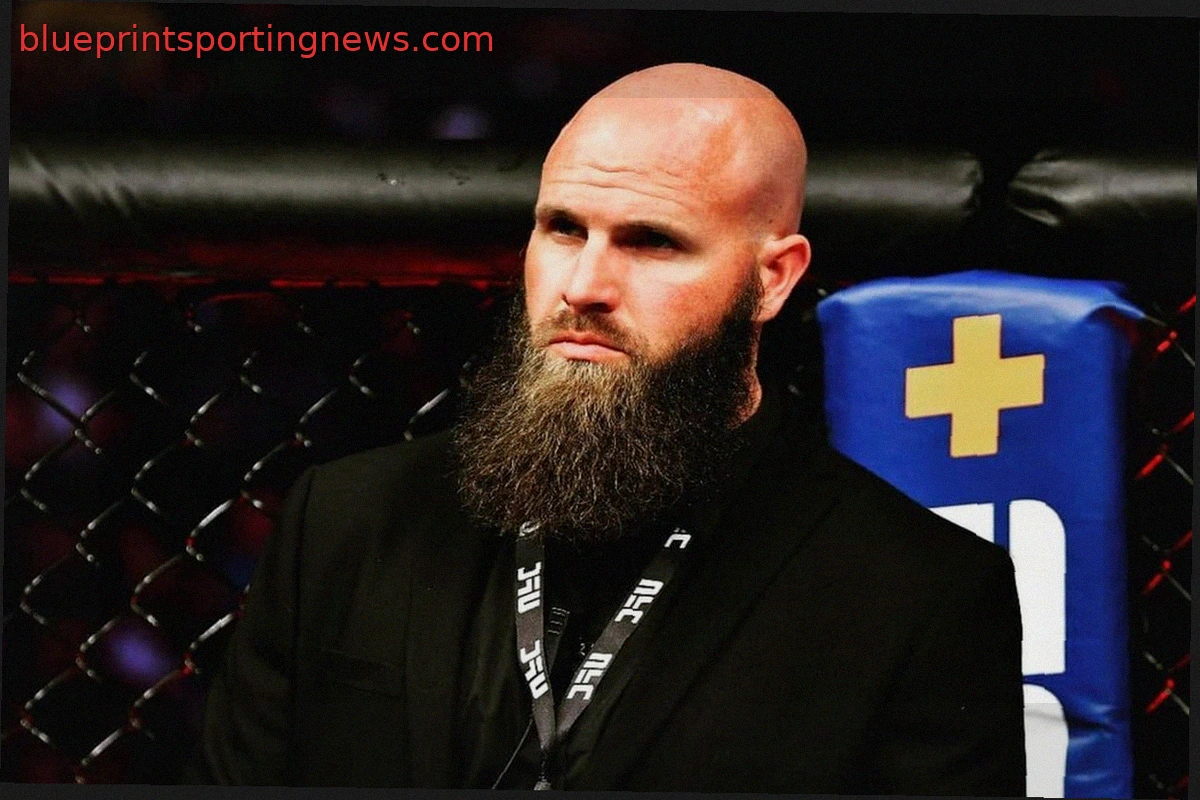
Elliott Loewenstein: A Deep Dive into the Security Professional Behind UFC Global Event Security
Elliott Loewenstein is a seasoned security professional whose expertise encompasses military service, executive protection, corporate security, and the intricate demands of international sports events. He is most recognized for his significant role within the Ultimate Fighting Championship (UFC
MMA Fan Betting Habits: The Rise of Crypto
Observing how MMA fans approach betting reveals a trend that has taken the broader sports world considerable time to adopt. A significant portion of fight enthusiasts embraced cryptocurrency early on. This shift was less about ideological conviction and more about the practicalities of how the
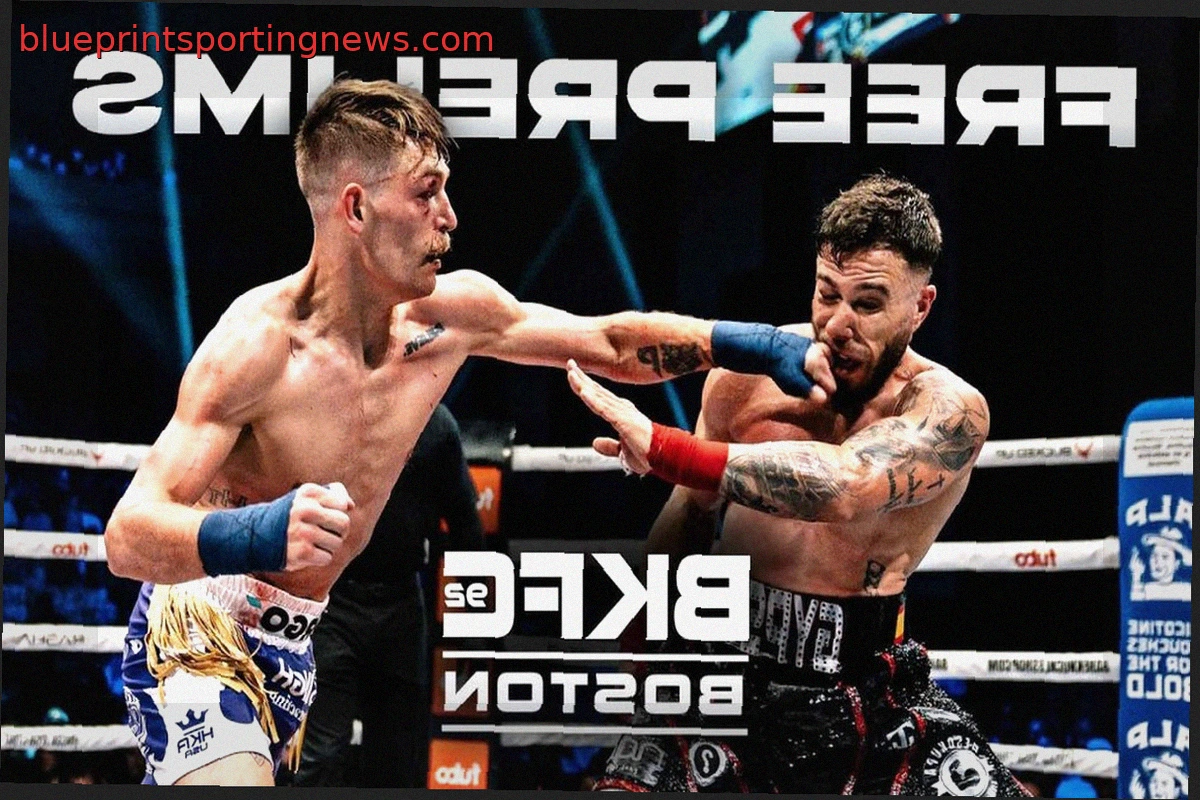
BKFC 92 Results from Fenway Park
Bare Knuckle Fighting Championship (BKFC) made a historic appearance at Fenway Park for BKFC 92, delivering a night of intense bare-knuckle boxing action. This event marked a significant moment, bringing the raw and gritty sport to one of America's most iconic sports venues. BKFC 92 Main C

GZone Promotes Balanced Entertainment Through Strategic Pusoy Play
Pusoy remains a highly recognized card game in the Philippines, drawing players with its focus on strategy, patience, and calculated decisions. As online participation grows, GZone is emphasizing the importance of balanced entertainment by integrating educational materials with responsible gam