MMA: The Pinnacle of Athletic and Mental Challenge
Mixed Martial Arts (MMA) has transformed from a niche, controversial spectacle into a globally celebrated sport. At its core, MMA is the ultimate test of both physical and mental fortitude, requiring athletes to be proficient in disciplines like boxing, wrestling, Brazilian Jiu-Jitsu, Muay Thai, and judo.
What truly elevates MMA among the most demanding sports is not just the diverse skill set involved, but also the extreme metabolic conditioning, the intense psychological pressure of one-on-one combat, the severe practices of weight cutting, and the constant need for split-second strategic decisions amidst physical trauma. It pushes athletes to their absolute biological limits.
The Multifaceted Demands of Combat Sports
Elite MMA fighters need a physical profile that rivals endurance athletes, powerlifters, and gymnasts. The primary challenges include:
- Multi-Disciplinary Mastery: Seamlessly blending striking and grappling is crucial. Any weakness in these areas can be exploited by an opponent.
- Extreme Metabolic Conditioning: Championship fights demand continuous high-intensity aerobic and anaerobic output for extended periods, requiring fighters to maintain speed and power despite extreme cardiovascular fatigue.
- The Psychological Weight of Combat: Facing millions of viewers, knowing your opponent's singular goal is to defeat you, demands exceptional mental resilience and fear management.
- Severe Weight-Cutting Practices: Fighters often dehydrate themselves significantly before a bout, placing immense strain on their kidneys and cardiovascular system to make weight.
This high-intensity, multi-variable environment necessitates a brain capable of rapid risk assessment, spatial awareness, and tactical adjustment under duress.
The Cognitive Chess Match of the Octagon
Contrary to the perception of a chaotic brawl, MMA is a highly sophisticated, real-time strategic contest. Every movement, shift in weight, and facial expression from a fighter is data to be instantly analyzed. Fighters must read their opponent's body language to anticipate strikes or takedowns, as incorrect decisions have immediate physical repercussions. This immense cognitive load requires executing pre-fight plans while managing pain, fatigue, and an opponent's unpredictable maneuvers – a test of intelligence under extreme pressure.
The Trauma and the Price of Greatness
The physical toll of MMA is significant, with constant risks of concussions, joint injuries, and lacerations. Grueling training camps often lead to injuries before fighters even compete. Career longevity is typically short due to accumulated damage. Despite these immense physical and mental costs, athletes are driven by a primal desire to test themselves and prove their superiority.
Conclusion
Mixed Martial Arts stands as the ultimate human test of athletic and mental prowess. It demands everything from its participants: physical health, mental fortitude, and years of unwavering dedication across multiple disciplines. By merging the technical complexity of martial arts with extreme conditioning and psychological warfare, MMA has rightfully earned its status as one of the most demanding, respected, and captivating sports globally.
Fresh materials — MMA

Veronika Smolková Faces Ivana Petrović in Crucial Flyweight Bout at OKTAGON 98
The vacant flyweight title presents a significant opportunity for two prominent female fighters to advance their careers at OKTAGON 98 in Třinec. Veronika Smolková (10-3), a promising talent from Slovakia, is set to compete against Ivana Petrović (8-4), a seasoned UFC veteran who is moving

UFC Paris Results: Hooker vs. Parnasse Showdown
The Accor Arena in Paris, France, played host to UFC Paris, featuring a highly anticipated lightweight main event. The bout saw the UFC debut of former two-division KSW champion Salahdine Parnasse go head-to-head with the seasoned veteran Dan Hooker. UFC Paris Fight Results: Main Card
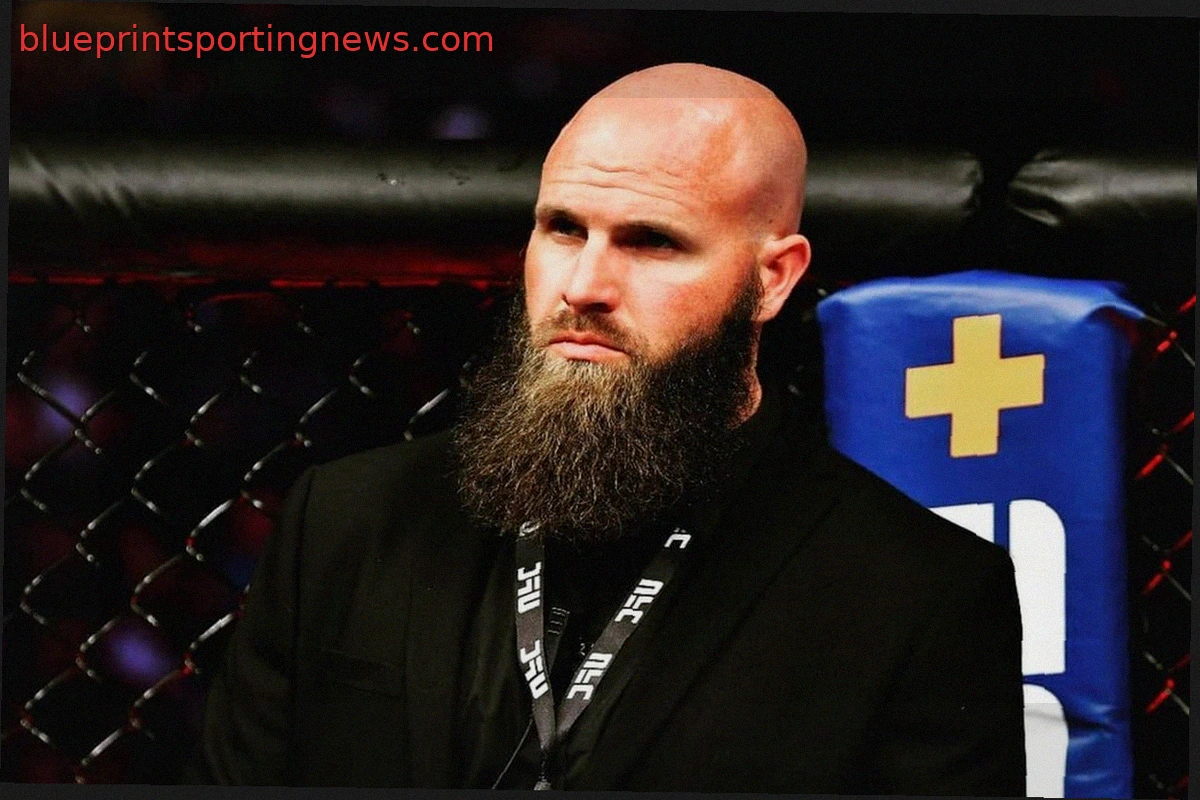
Elliott Loewenstein: A Deep Dive into the Security Professional Behind UFC Global Event Security
Elliott Loewenstein is a seasoned security professional whose expertise encompasses military service, executive protection, corporate security, and the intricate demands of international sports events. He is most recognized for his significant role within the Ultimate Fighting Championship (UFC
MMA Fan Betting Habits: The Rise of Crypto
Observing how MMA fans approach betting reveals a trend that has taken the broader sports world considerable time to adopt. A significant portion of fight enthusiasts embraced cryptocurrency early on. This shift was less about ideological conviction and more about the practicalities of how the
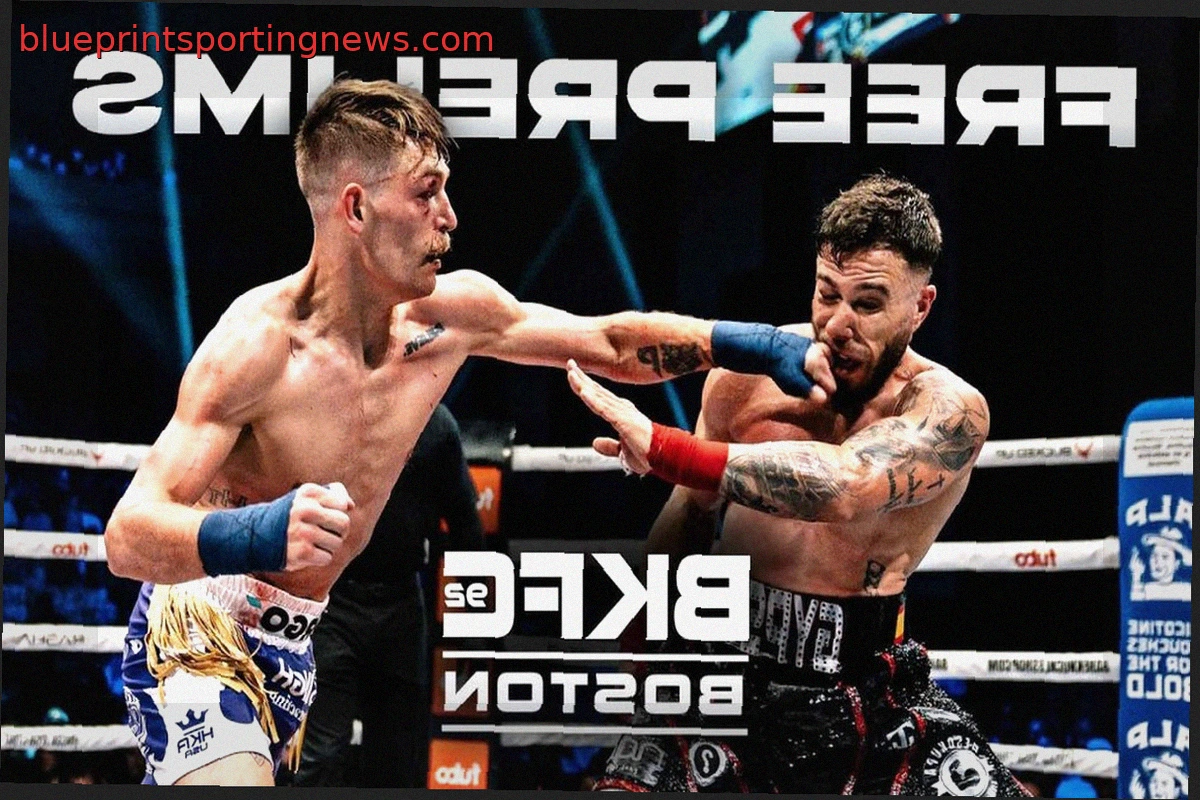
BKFC 92 Results from Fenway Park
Bare Knuckle Fighting Championship (BKFC) made a historic appearance at Fenway Park for BKFC 92, delivering a night of intense bare-knuckle boxing action. This event marked a significant moment, bringing the raw and gritty sport to one of America's most iconic sports venues. BKFC 92 Main C

GZone Promotes Balanced Entertainment Through Strategic Pusoy Play
Pusoy remains a highly recognized card game in the Philippines, drawing players with its focus on strategy, patience, and calculated decisions. As online participation grows, GZone is emphasizing the importance of balanced entertainment by integrating educational materials with responsible gam