UFC Business: Venues and Casino Connections
UFC 329 on July 11 saw headliner Conor McGregor suffer a knee injury early, leading to a TKO loss to Max Holloway within a minute. Despite the fight's brevity, the event set a new record for the promotion.
MMA Junkie reported an attendance of 20,078 and a live gate of $26,430,566, marking the highest recorded for the UFC. However, the T-Mobile Arena where the event took place is not owned by the UFC. It is owned by a casino company, which also operates adjacent concert venues and resorts. The ownership of these venues significantly influences the value of fight nights and the ongoing bids from cities like Las Vegas. For the UFC, a new point of contact with the gambling industry emerged in 2024, unrelated to arena hosting.
MGM and AEG Financed The Fight Arena
The T-Mobile Arena, a $375 million facility that opened in April 2016, hosted its first boxing match a month later. The Las Vegas Review-Journal covered its decade-long history this year.
MGM Resorts International and AEG, an entertainment company, jointly developed the arena. Bill Foley, owner of the Golden Knights, later acquired a 15 percent stake. Situated between New York-New York and Park MGM, the arena seats 20,000 and is located near the Las Vegas Strip. There are no gaming floors within the arena itself; the intention was to draw crowds to the casino operator's existing gaming floors. This strategy aims to recoup the venue's investment over time through numerous events. MGM Resorts noted nearly 1,000 events and over $2 billion in ticket revenue over its first decade. Dan Quinn, senior vice president for entertainment and arena venue operations at MGM Resorts, stated the building is equipped for any type of event.
Two Cards, Similar Crowds, Doubled Gate Revenue
Six months prior to UFC 329, the T-Mobile Arena hosted UFC 324 in January. That event drew an announced 19,481 attendees with a gate of $10,951,166. UFC 329 attracted approximately 600 more spectators and generated nearly two and a half times that revenue.
The fights on July 11 were also eventful, with 14 bouts resulting in 11 stoppages, eight of which occurred in the first round – a single-event record according to MMA Junkie. A higher gate often reflects increased ticket prices rather than a larger audience, as arena capacity remains constant. The promotion sets these prices and assumes the risk if an event underperforms. Combat sports can concentrate significant revenue within a short period. Quinn mentioned that Floyd Mayweather vs. Conor McGregor in August 2017, followed by Canelo Alvarez vs. Gennady Golovkin three weeks later, generated $100 million in ticket sales. He noted that while this would constitute a successful year for many venues, for them it was accomplished within a single month.
UFC Licensed Its Name for a Slot Game in 2024
In May 2024, Games Global, a game supplier, announced an exclusive partnership with the UFC to develop branded digital slot games. IMG, the UFC's licensing representative, facilitated the deal.
Black Belt reported on the agreement when it was finalized. The three-year contract covers a series of UFC-themed slot games, which had a soft launch in May and a global release two months later. The UFC also committed to providing marketing support for these launches, a key component for licensees. The games feature fighter likenesses, themed symbols, and include elements like free spins and wild symbols. Tracey Bleczinski, the UFC's senior vice president of global consumer products, stated the goal was to translate the excitement of the Octagon into interactive slot games. This agreement falls under consumer products, alongside apparel and video games, and is distinct from sponsorship revenue generated by sportsbooks. It is unique in that it places the promotion's name directly on a gambling product.
What a Licensed Slot Game Entails
This type of license primarily covers the visual presentation. While likenesses, symbols, and sounds are branded, the underlying game mechanics remain consistent. All titles utilize reels, paylines, bonus rounds, and predetermined return-to-player (RTP) figures set by the studio before release, regardless of the on-screen imagery. Game formats vary, with some playable in browsers, within operator apps, or as free demo versions. Different titles also feature distinct jackpot structures. Bonus.com offers a guide to instant slot gameplay options, detailing their construction and variations.
Distribution methods also create distinctions. Physical slot machines are purchased or leased by properties and require floor space, whereas digital titles are licensed to operators and do not occupy physical space. The legality of playing these games varies by jurisdiction, with regulations evolving. For example, Nevada restricts casino gaming areas to individuals aged 21 and over, and online titles have their own age and location verification processes. These rules do not fully resolve the legal complexities on their own.
These distinctions are significant for reporting and player experience. An arena deal relates to real estate, while a licensing deal pertains to intellectual property. The UFC now benefits from both, with only one requiring a physical presence in Las Vegas on event days.
Dana White Plans to Expand UFC's Own Venue
The promotion recently reopened its Las Vegas venue under the new name Meta Apex. FOX5 Las Vegas reported that the event floor expanded by over 20 percent, from 12,000 to 14,500 square feet, and seating increased from approximately 175 to nearly 1,200. Dana White told the station that the expansion was driven by the need for more seating and that a larger campus, including hotels, was envisioned. White attributed the building's evolution to the pandemic, stating it was not part of the original plan.
Developing a hotel would position the UFC as a landlord, earning revenue from a consistent calendar rather than individual events. By hosting Fight Night events at its own facility, the UFC already avoids arena rental fees. Adding hotels would allow them to retain revenue similar to what resorts around T-Mobile Arena generate during fight weekends.
Outside Las Vegas, Cities or State-Backed Companies Host
The casino-resort model is specific to Las Vegas and is not the standard approach globally for venue financing.
Abu Dhabi's Etihad Arena, with a capacity of up to 18,000, is managed by OVG Middle East and partnered with the events company Ethara. In 2024, the arena hosted over 420,000 guests. UFC 333 is scheduled to take place there on October 24, featuring Alexander Volkanovski vs. Movsar Evloev and Petr Yan vs. Merab Dvalishvili.
In Europe, the Accor Arena in Paris, used by the UFC, is owned by the City of Paris and managed in conjunction with AEG, the same company involved with T-Mobile Arena. A city government and a casino operator share the same venue manager.
| Venue | 2026 UFC Card | Building Management | Capacity |
|---|---|---|---|
| T-Mobile Arena | UFC 329 on July 11 | MGM Resorts and AEG, with Bill Foley | 20,000 |
| Meta Apex | Fight Night cards | The UFC | Approx. 1,200 |
| Accor Arena | UFC Paris on September 5 | The City of Paris, with AEG | Up to 20,000 |
| Etihad Arena | UFC 333 on October 24 | OVG Middle East, promoted with Ethara | Up to 18,000 |
Of these four venues, only one is operated by a casino. Salt Lake City presents a different model for UFC 332, involving the Utah Sports Commission and Smith Entertainment Group, owner of the Utah Jazz. This arrangement was announced when the card was confirmed. The licensing agreement for slot games is tied to the Las Vegas events and does not extend to these other locations.
Deals within the gaming industry, such as the Games Global contract, generate their own news. Bonus.com provides updates on these developments via Facebook.
October will be a significant month, testing both aspects of the UFC's business. Salt Lake City hosts a numbered card on the 3rd, and Abu Dhabi hosts one on the 24th. In both cities, the event venues are managed by entities other than the UFC. The licensing contract for slot games continues to generate revenue even during periods when the UFC has no live events scheduled, which is a common reason for such agreements.
Fresh materials — MMA

Solomon Renfro Arrested Following Alleged Assault in New York
New York-based mixed martial artist Solomon Renfro was arrested on Sunday. Police responded to a 911 call at 47 Madison St. in Chinatown early that morning, finding a 22-year-old woman with visible scratches and bruises on her chest and arms. The victim received medical attention at the scene.
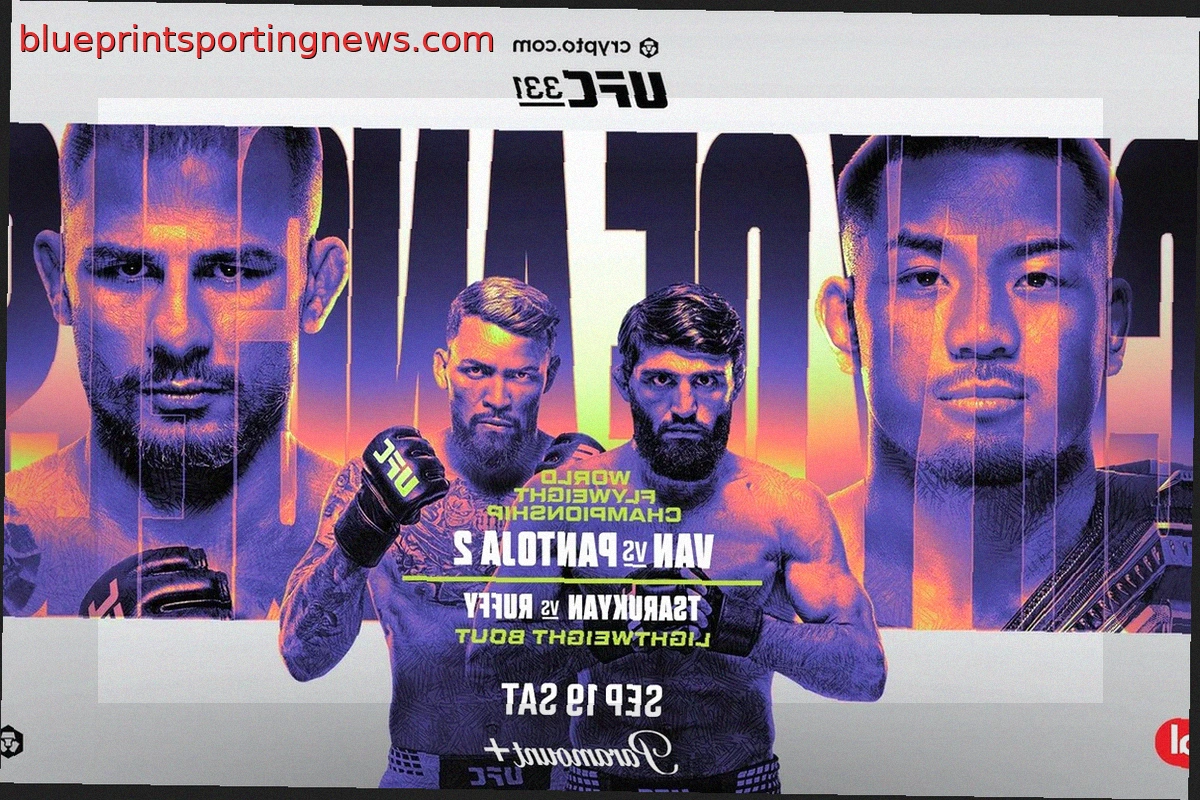
UFC 331: Van vs. Pantoja 2 Results
UFC 331 took place at Crypto.com Arena in Los Angeles. The main event featured a highly anticipated rematch for the UFC flyweight championship between champion Joshua Van and former champion Alexandre Pantoja. Pantoja lost his title to Van in December 2025 due to an early arm injury during the

Veronika Smolková Faces Ivana Petrović in Crucial Flyweight Bout at OKTAGON 98
The vacant flyweight title presents a significant opportunity for two prominent female fighters to advance their careers at OKTAGON 98 in Třinec. Veronika Smolková (10-3), a promising talent from Slovakia, is set to compete against Ivana Petrović (8-4), a seasoned UFC veteran who is moving

UFC Paris Results: Hooker vs. Parnasse Showdown
The Accor Arena in Paris, France, played host to UFC Paris, featuring a highly anticipated lightweight main event. The bout saw the UFC debut of former two-division KSW champion Salahdine Parnasse go head-to-head with the seasoned veteran Dan Hooker. UFC Paris Fight Results: Main Card
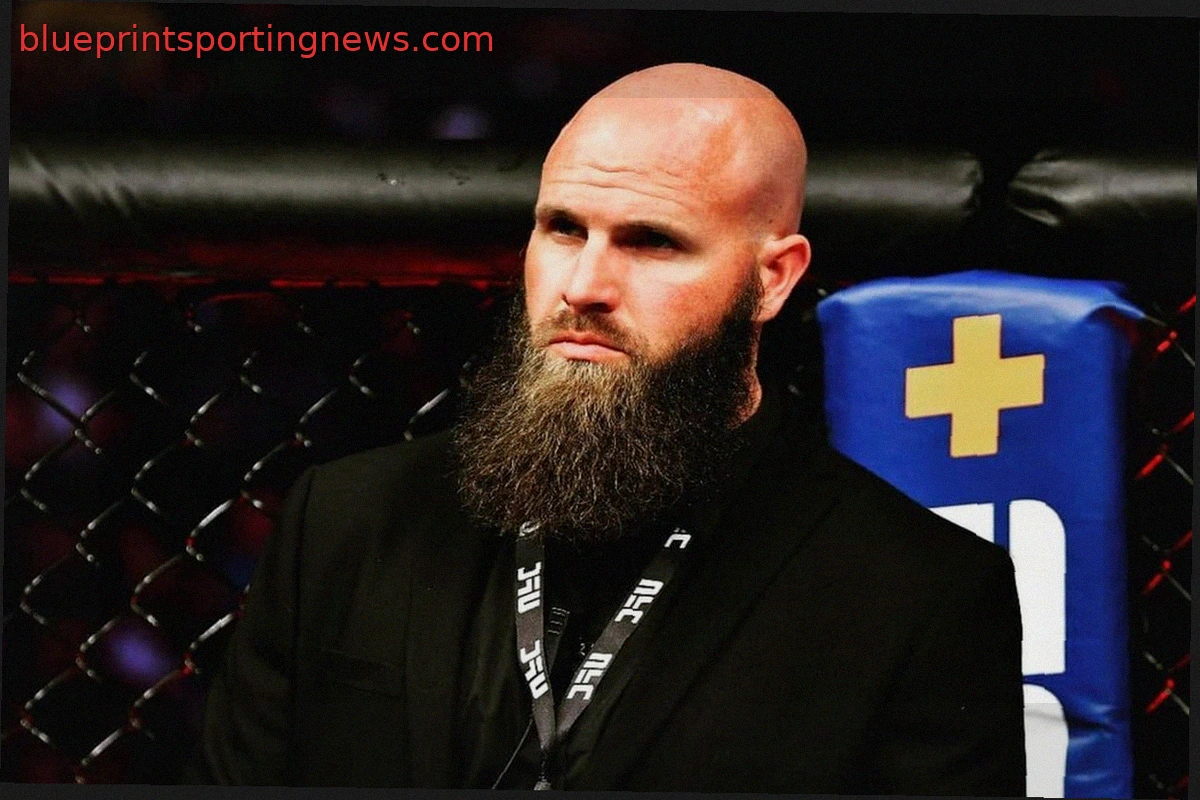
Elliott Loewenstein: A Deep Dive into the Security Professional Behind UFC Global Event Security
Elliott Loewenstein is a seasoned security professional whose expertise encompasses military service, executive protection, corporate security, and the intricate demands of international sports events. He is most recognized for his significant role within the Ultimate Fighting Championship (UFC

MMA Fan Betting Habits: The Rise of Crypto
Observing how MMA fans approach betting reveals a trend that has taken the broader sports world considerable time to adopt. A significant portion of fight enthusiasts embraced cryptocurrency early on. This shift was less about ideological conviction and more about the practicalities of how the