Europe Intensifies Fight Against Absenteeism as Costs Become 'Unsustainable'
A debate that has been simmering for some time has intensified recently, particularly following Germany's announcement last week of a tougher stance on employee absenteeism. Now, both major political parties in Spain are joining the discussion, presenting distinct viewpoints and strategies for addressing a growing concern across Europe.
On one side, Spain is preparing to increase monitoring of recurrent sick leave. Following recommendations from the fiscal watchdog AIReF, Pedro Sánchez's government plans to enhance oversight of employees who take two or more periods of sick leave per year. This measure comes in response to a nearly 60% surge in temporary incapacity cases since 2017.
Conversely, the opposition PP party advocates for a much more stringent response. The party's leader, Alberto Núñez Feijóo, has labeled absenteeism a "cancer" and stated that if his party comes to power in the upcoming elections next year, he will pursue reforms to reduce the salaries and benefits of absent workers, "with or without" the agreement of trade unions and employers – a proposition that has sparked significant controversy within the country.
At the heart of the debate lies the question of what explains this substantial increase. Employers and the PP point to rising costs, alleged abuses or fraud, and the limited ability of companies to challenge questionable sick leave. In contrast, trade unions and the government argue that the rise is linked to an overloaded healthcare system, an aging workforce, and post-pandemic mental health issues, rather than being solely due to fraud. The controversy also extends to how these figures are presented and communicated to the public. Critics contend that grouping sick leave, paid vacation, and other authorized absences under the single label of "absenteeism" distorts the debate and risks portraying legitimate illness as professional misconduct.
While Spain is drawing attention in Europe, it's not because its companies bear the heaviest burden of sick leave costs. Spanish employers currently cover 12 days of ordinary sick leave, significantly less than companies in Belgium (around 30 days), Germany (six weeks), Austria (up to 12 weeks), or the Netherlands, where employers may pay 70% of salary for up to two years. However, these 12 days encompass both salaries and social security contributions, meaning employers might still be liable for the latter, in addition to any supplements stipulated by collective agreements, for the entire duration of the sick leave. This is why employers' organizations assert that the actual cost extends far beyond these 12 days. Furthermore, while sick leave is on the rise across the EU, Spain's incapacity absenteeism rate is higher than the EU average: 4.5% in 2024, compared to 2.5% across the entire EU.
Fresh materials — Gaming
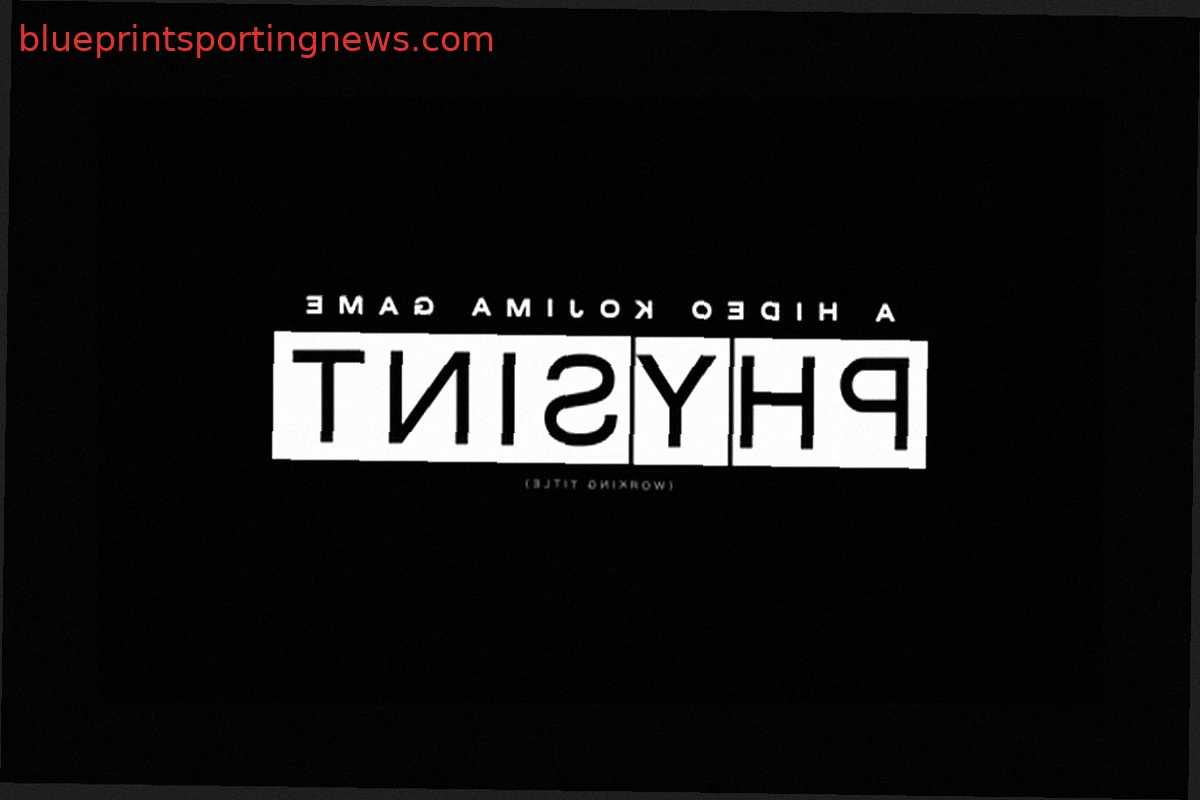
Sony's Refusal of Physint: The Reasons Behind It
Hideo Kojima's name has long been associated with PlayStation, starting with the iconic Metal Gear Solid. This long-standing partnership continued even after Kojima left Konami to establish his own studio. Therefore, Sony's decision to end its collaboration with Kojima Productions and forgo pub

Star Fox for Switch 2: New Multiplayer Maps & Split-Screen Mode Announced
After persistent requests to Nintendo and Velan Studios, which aimed to revitalize the multiplayer mode of Star Fox that was seeing a decline by late July, the developers have announced a significant free update for Star Fox on Nintendo Switch 2. This update, scheduled for September 30th, addre

"Remain" de M. Night Shyamalan : Jake Gyllenhaal tombe amoureux de Phoebe Dynevor, qui le tourmente
Les films romantiques avec une touche d'horreur perturbante gagnent en popularité, et beaucoup d'entre eux sortent à l'approche de la Saint-Valentin. Après des exemples récents comme "Heart Eyes" et "Companion", M. Night Shyamalan s'apprête à lancer sa propre proposition. Juste à temps po

Call of Duty Black Ops 7 & Warzone Season 6: Doom Crossover Incoming
Despite Activision's promise that Call of Duty: Modern Warfare 4 would steer clear of outlandish crossovers to maintain a more focused, military simulation style, the current iterations of Call of Duty: Black Ops 7 and Call of Duty: Warzone remain open to all sorts of peculiar collaborations.

LCS Summer 2026 Playoffs: Six-Team Bracket Finalized, Full Schedule Confirmed
While many regional League of Legends leagues are nearing the end of their Summer splits, the North American LCS is extending its season with its playoffs yet to begin. The first round of the LCS Summer 2026 Playoffs is set to kick off this weekend, featuring the newly confirmed six-team b
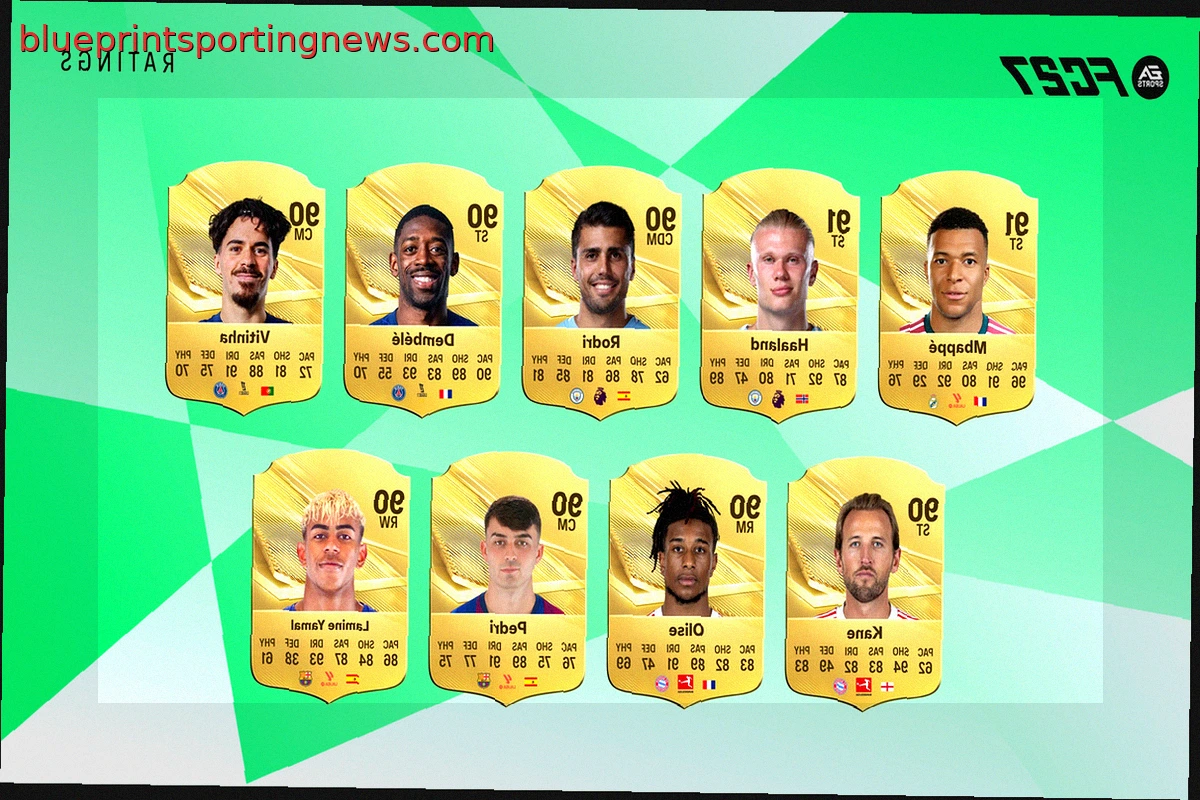
EA Sports FC 27: Top 27 Men's and Women's Player Ratings Revealed
As EA Sports FC 27's release date of September 25th rapidly approaches, the highly anticipated player ratings have begun to surface. While the complete list of player ratings is still under wraps, EA has unveiled the top 27 highest-rated players for both men's and women's categories. As expect