Yes: A Necessary and Timely Film on Post-October 7th Israel
Following controversy surrounding the documentary Naza, which led to an Israeli government investigation over leaked sensitive information, another film has arrived in Italian cinemas that angered Tel Aviv's powerful figures last year. "Yes," an Israeli production co-financed by France
Following controversy surrounding the documentary Naza, which led to an Israeli government investigation over leaked sensitive information, another film has arrived in Italian cinemas that angered Tel Aviv's powerful figures last year. "Yes," an Israeli production co-financed by France, Cyprus, and Germany, directed by Navad Lapid (Golden Bear winner for Synonymes), directly confronts the post-October 7th reality in his homeland. It's a country he no longer recognizes, depicted as a setting for this fierce, bitter satire against those in command who dictate the fate of thousands. The film also integrates scenes of a much more tragic and dramatic reality, often overlooked and sanitized.
When Saying 'Yes' Hurts
The narrative of "Yes," a title that declares its intent and culminates in a poignant closing question, centers on Y., a jazz pianist. He and his partner, Yasmine, a dancer and performer, earn a living by playing at lavish parties for the Israeli elite. Both are deeply disillusioned with their country but remain entangled in the wealth and privilege they inhabit. As parents to young Noah, they constantly seek a balance between financial success and artistic integrity. This integrity is severely tested when, at a yacht party, Y. is approached by Avinoam, a communications professional. Avinoam offers a highly lucrative job: composing a new national anthem to represent Israel after the tragic events of October 7th. The lyrics must be a patriotic celebration of the army's bravery. Y. accepts, only to soon grapple with his conscience.
Abysses and Anchors
The film is a feverish, desperate musical, teetering on the edge of an abyss. The protagonist is pulled deeper into a world he doesn't want for himself or his loved ones. The opening moments, filled with carefree parties and dance lessons, move quickly. Amidst this frenzy, news of Gaza and the hundreds of casualties arrives via smartphone messages, often appearing distorted. The direction deliberately downplays this, amplifying nationalism to become a scathing critique, forcing the nation to confront its consuming demons.
Significantly, a key scene unfolds near Gaza, viewed from a safe distance where smoke and rubble are visible without direct risk. It's a depiction of "looking but not touching," a way to avoid guilt, to pretend nothing is happening, and to attribute blame elsewhere, as if vengeance justifies everything. When the anthem is written, its fiery lyrics sung by children—real footage, with censored faces, of these young choristers who were actually enlisted to sing words of death—it becomes a modern museum of horrors.
The director's great achievement is avoiding rhetoric or easy emotional appeals. "Yes" delves into the dark corners of society, highlighting contrasts to create a cynical caricature. The staging is at times thunderous and exaggerated, including a potentially off-putting two-and-a-half-hour runtime (including credits). However, this duration proves necessary to give the swirling events ample, painful breathing room. The script conveys its message implicitly, working intelligently with unspoken elements, the unseen, and the consuming heart of darkness, all through the act of saying "yes, yes, and yes again" to literally appease the powerful and secure a comfortable life at the expense of others' suffering.
Ariel Bronz, a theater actor of Ukrainian origin, perfectly embodies this complex, nuanced character—not just metaphorically, as he even dyes his hair platinum blonde at one point. The supporting cast performs with precise diligence, portraying the demons and cassandras of a dazzlingly monstrous stage.
Fresh materials — Gaming
Sony's Refusal of Physint: The Reasons Behind It
Hideo Kojima's name has long been associated with PlayStation, starting with the iconic Metal Gear Solid. This long-standing partnership continued even after Kojima left Konami to establish his own studio. Therefore, Sony's decision to end its collaboration with Kojima Productions and forgo pub

Star Fox for Switch 2: New Multiplayer Maps & Split-Screen Mode Announced
After persistent requests to Nintendo and Velan Studios, which aimed to revitalize the multiplayer mode of Star Fox that was seeing a decline by late July, the developers have announced a significant free update for Star Fox on Nintendo Switch 2. This update, scheduled for September 30th, addre

"Remain" de M. Night Shyamalan : Jake Gyllenhaal tombe amoureux de Phoebe Dynevor, qui le tourmente
Les films romantiques avec une touche d'horreur perturbante gagnent en popularité, et beaucoup d'entre eux sortent à l'approche de la Saint-Valentin. Après des exemples récents comme "Heart Eyes" et "Companion", M. Night Shyamalan s'apprête à lancer sa propre proposition. Juste à temps po

Call of Duty Black Ops 7 & Warzone Season 6: Doom Crossover Incoming
Despite Activision's promise that Call of Duty: Modern Warfare 4 would steer clear of outlandish crossovers to maintain a more focused, military simulation style, the current iterations of Call of Duty: Black Ops 7 and Call of Duty: Warzone remain open to all sorts of peculiar collaborations.

LCS Summer 2026 Playoffs: Six-Team Bracket Finalized, Full Schedule Confirmed
While many regional League of Legends leagues are nearing the end of their Summer splits, the North American LCS is extending its season with its playoffs yet to begin. The first round of the LCS Summer 2026 Playoffs is set to kick off this weekend, featuring the newly confirmed six-team b
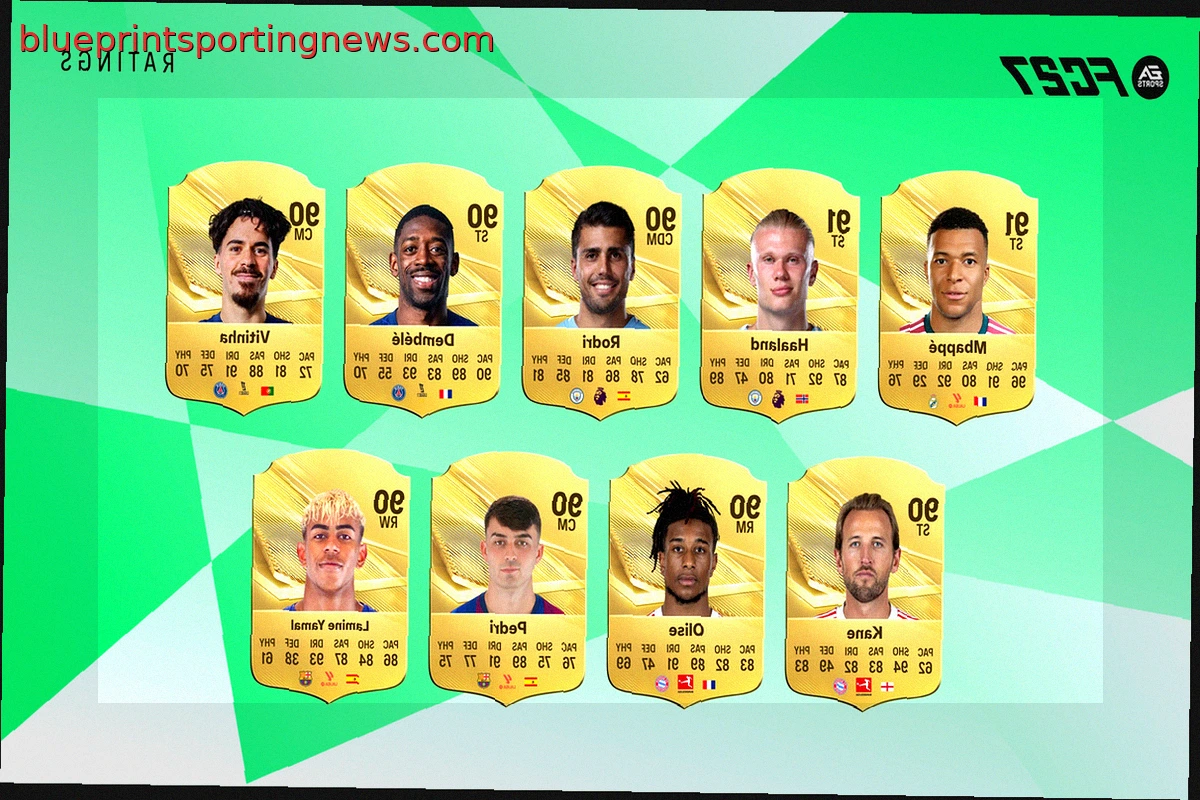
EA Sports FC 27: Top 27 Men's and Women's Player Ratings Revealed
As EA Sports FC 27's release date of September 25th rapidly approaches, the highly anticipated player ratings have begun to surface. While the complete list of player ratings is still under wraps, EA has unveiled the top 27 highest-rated players for both men's and women's categories. As expect