Spanish Intelligence: Morocco Facilitated, Not Orchestrated, Ceuta Migrant Crisis
In the aftermath of the Ceuta migrant crisis, where over 60,000 migrants entered the Spanish enclave on the Moroccan coast by circumventing border controls, Spanish intelligence services have concluded that while the massive influx of people was not orchestrated by Morocco, the Moroccan authorities did facilitate their entry. Rabat's government reportedly capitalized on the international attention generated by the event, despite the tragic confirmation of 72 drownings at sea.
According to their analysis, as reported by El País, the surge of thousands of migrants—which had been steadily increasing before exploding on Thursday, July 30th, the day thousands simultaneously breached the borders, overwhelming the city of 85,000 inhabitants—originated from a false rumor spread on social media and messaging groups. This rumor was triggered by a recent Spanish Supreme Court ruling stating that migrants arriving by swimming to Ceuta and Melilla could not be expelled without due process and required administrative procedures.
Consequently, thousands of Moroccans, primarily young men, believed they could remain in Spain without repatriation. However, this was not the case, and most returned to Morocco by crossing the land borders on foot a few days after entering the country by sea. A new physical barrier has since been installed at sea.
Thursday, July 30th, was also a public holiday in Morocco, the Throne Day, leading to minimal border surveillance, which was subsequently lifted entirely, allowing the crowds to pass.
Spanish intelligence services believe that Moroccan authorities were aware of the misinformation circulating on social media but did nothing to prevent it. They saw it as an opportunity to damage Spain's international image and its government, with whom they are in conflict on numerous fronts. These include Spain's stance on Western Sahara (Spain recently granted nationality to approximately 70,000 Sahrawis born under Spanish administration before 1976 and their first-degree descendants) and a recent agreement between Spain and Algeria, a political rival of Morocco. Some speculate that the undecided host city for the 2030 World Cup final, a joint bid between Spain, Portugal, and Morocco, could also be a reason for Morocco to exploit a political crisis in Spain, even at the cost of human lives among its own citizens.
Fresh materials — Gaming

Star Fox for Switch 2: New Multiplayer Maps & Split-Screen Mode Announced
After persistent requests to Nintendo and Velan Studios, which aimed to revitalize the multiplayer mode of Star Fox that was seeing a decline by late July, the developers have announced a significant free update for Star Fox on Nintendo Switch 2. This update, scheduled for September 30th, addre

"Remain" de M. Night Shyamalan : Jake Gyllenhaal tombe amoureux de Phoebe Dynevor, qui le tourmente
Les films romantiques avec une touche d'horreur perturbante gagnent en popularité, et beaucoup d'entre eux sortent à l'approche de la Saint-Valentin. Après des exemples récents comme "Heart Eyes" et "Companion", M. Night Shyamalan s'apprête à lancer sa propre proposition. Juste à temps po

Call of Duty Black Ops 7 & Warzone Season 6: Doom Crossover Incoming
Despite Activision's promise that Call of Duty: Modern Warfare 4 would steer clear of outlandish crossovers to maintain a more focused, military simulation style, the current iterations of Call of Duty: Black Ops 7 and Call of Duty: Warzone remain open to all sorts of peculiar collaborations.

LCS Summer 2026 Playoffs: Six-Team Bracket Finalized, Full Schedule Confirmed
While many regional League of Legends leagues are nearing the end of their Summer splits, the North American LCS is extending its season with its playoffs yet to begin. The first round of the LCS Summer 2026 Playoffs is set to kick off this weekend, featuring the newly confirmed six-team b
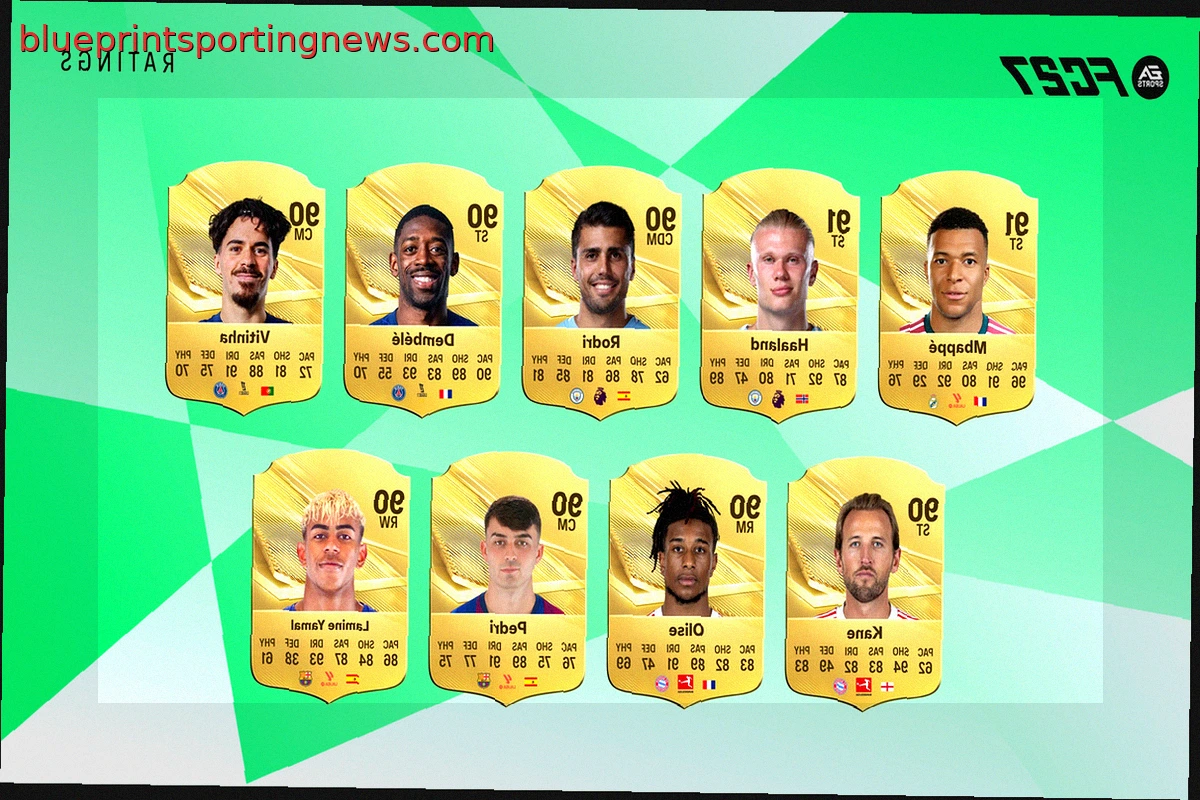
EA Sports FC 27: Top 27 Men's and Women's Player Ratings Revealed
As EA Sports FC 27's release date of September 25th rapidly approaches, the highly anticipated player ratings have begun to surface. While the complete list of player ratings is still under wraps, EA has unveiled the top 27 highest-rated players for both men's and women's categories. As expect
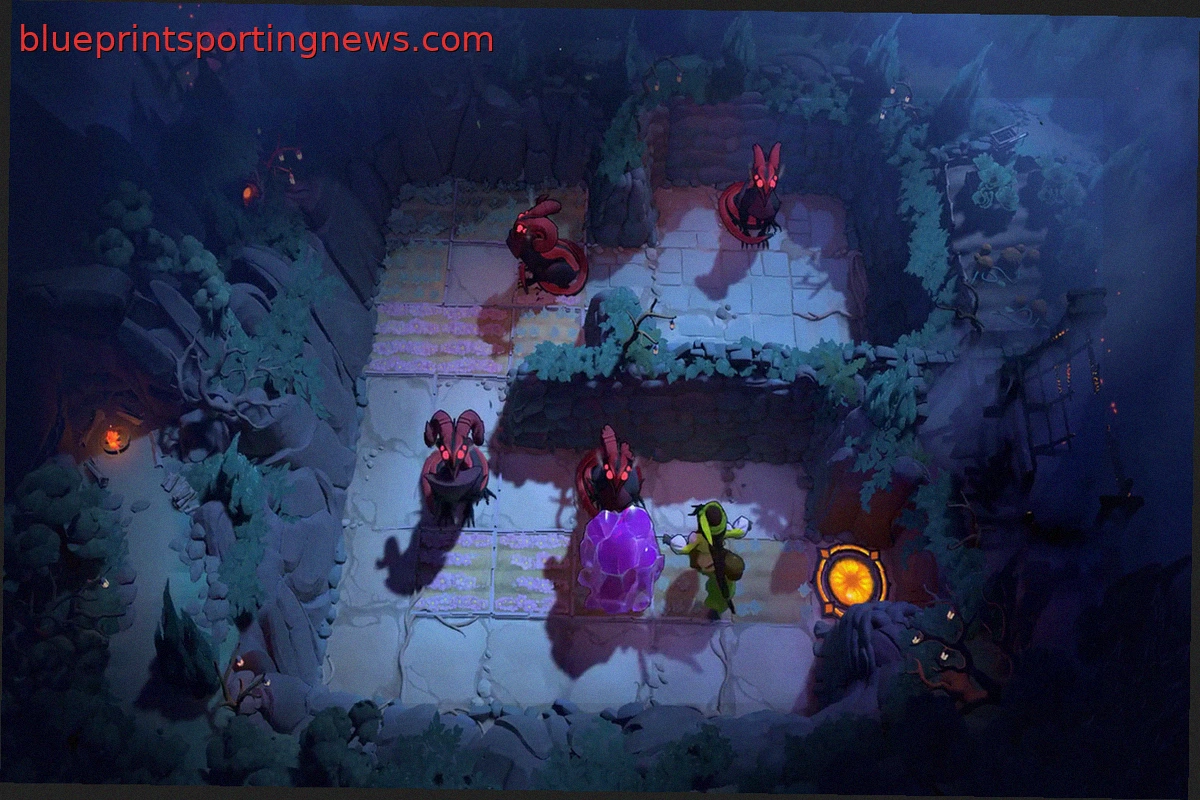
Order of the Sinking Star Arrives Early October
Jonathan Blow, the visionary behind acclaimed titles like Braid and The Witness, has announced the official release date for his latest creation, Order of the Sinking Star. Originally revealed at The Game Awards in 2025 with a planned 2026 launch, the intricate fantasy puzzle game will now be